

Arab MK defends Arafat street sign after PM orders it removed
Joint List chairman Ayman Odeh claims double standard in play, says late Palestinian leader a ‘symbol’ among his constituents
 Add ToI as a Preferred Source on Google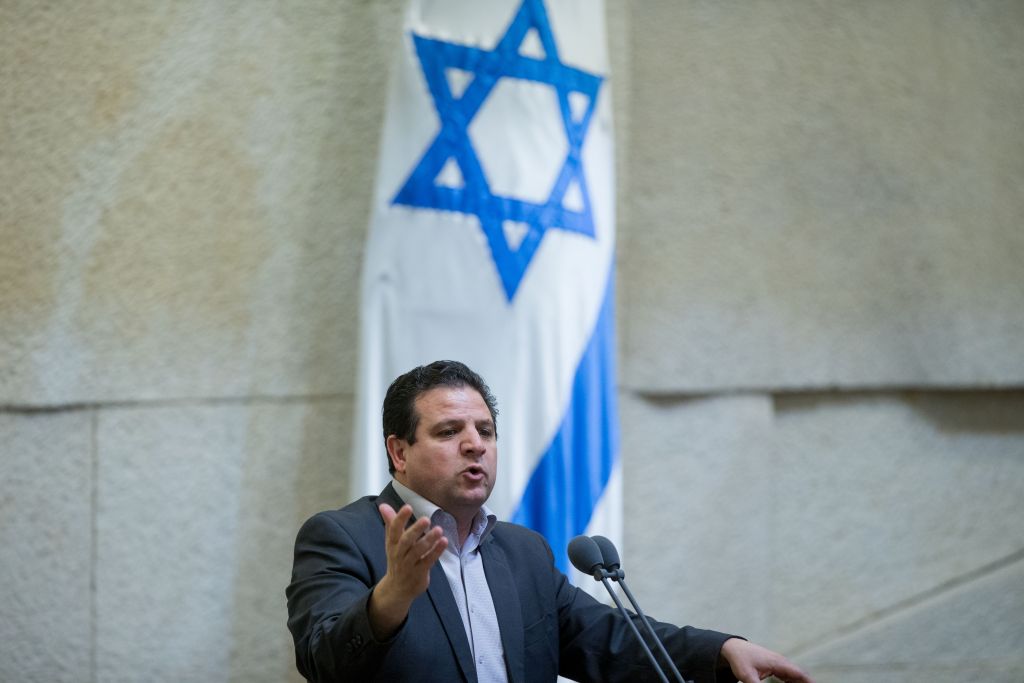
A top Arab Israeli politician on Monday defended naming a street in a town in northern Israel in memory of the late Palestinian leader Yasser Arafat, after Prime Minister Benjamin Netanyahu ordered the signage removed.
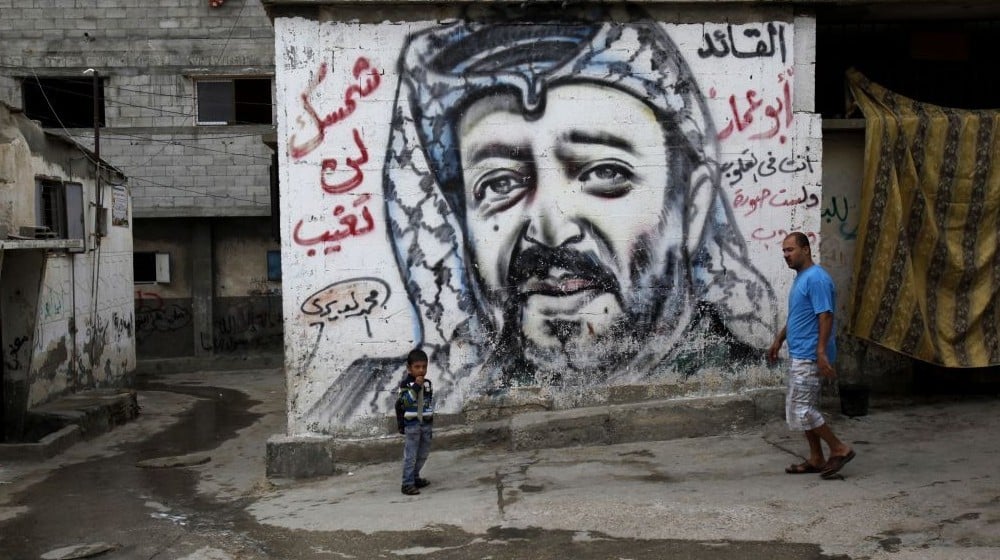
The small Arab Israeli town of Jatt recently inaugurated Yasser Arafat Street in honor of the PLO chairman, a hero to Palestinians and many Arab Israelis, but loathed by many Israeli Jews.
On Sunday, the Jatt council decided to remove “all the controversial street signs,” including the Arafat sign, and replace them with different names, according to a report on Channel 10 television.
The local municipality did not comment on Monday, but Israeli media reported that the signage had been removed after Netanyahu’s threat.
Ayman Odeh, head of the predominantly Arab Joint List coalition in the Israeli parliament, said Arafat was a “symbol.”
“He is a leader of the national liberation movement and he chose peace and negotiations and he won the Nobel Peace Prize,” Odeh told journalists.
“It is completely your right to say ‘I am completely against this man’,” he added, but said streets in Jewish neighborhoods had sometimes been named after far-right politicians and even assailants.
“I cannot accept this is okay but calling a street after Yasser Arafat is not okay.”
Arab Israelis are descendants of Palestinians who remained after Israel’s creation in 1948, and account for about a fifth of the country’s 8.6 million population.
Jatt has a population of some 11,000.
Speaking at the start of a Sunday cabinet meeting, Netanyahu said “no street in the state of Israel will be named after murderers of Israelis and Jews.”
“We will make the arrangements, including new legislation if need be, so that this does not happen here.”
Arafat rose to become the leader of the Palestinian movement after the creation of Israel, leading an armed struggle against it in which thousands died.
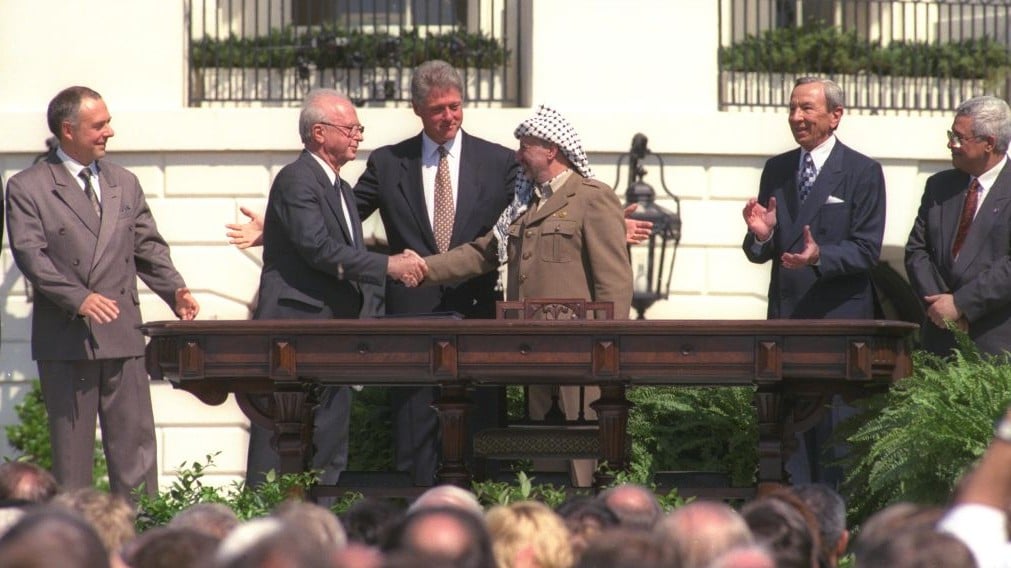
Decades later he ostensibly disavowed violence and famously shook hands with late prime minister Yitzhak Rabin on the White House lawn, although the peace the Oslo accords were supposed to bring never fully materialized. Israelis widely blame him for orchestrating the suicide-bombing onslaught of the Second Intifada in 2000-2003.






The Times of Israel Community.