

Bacon sandwiches and TV crews in kitchens: 12 UK-Israel election comparisons
As David Cameron and Ed Miliband battle for the premiership, the splintering of their political system is not all they have in common with Israel

 Add ToI as a Preferred Source on Google
David Horovitz is the founding editor of The Times of Israel. He is the author of "Still Life with Bombers" (2004) and "A Little Too Close to God" (2000), and co-author of "Shalom Friend: The Life and Legacy of Yitzhak Rabin" (1996). He previously edited The Jerusalem Post (2004-2011) and The Jerusalem Report (1998-2004).
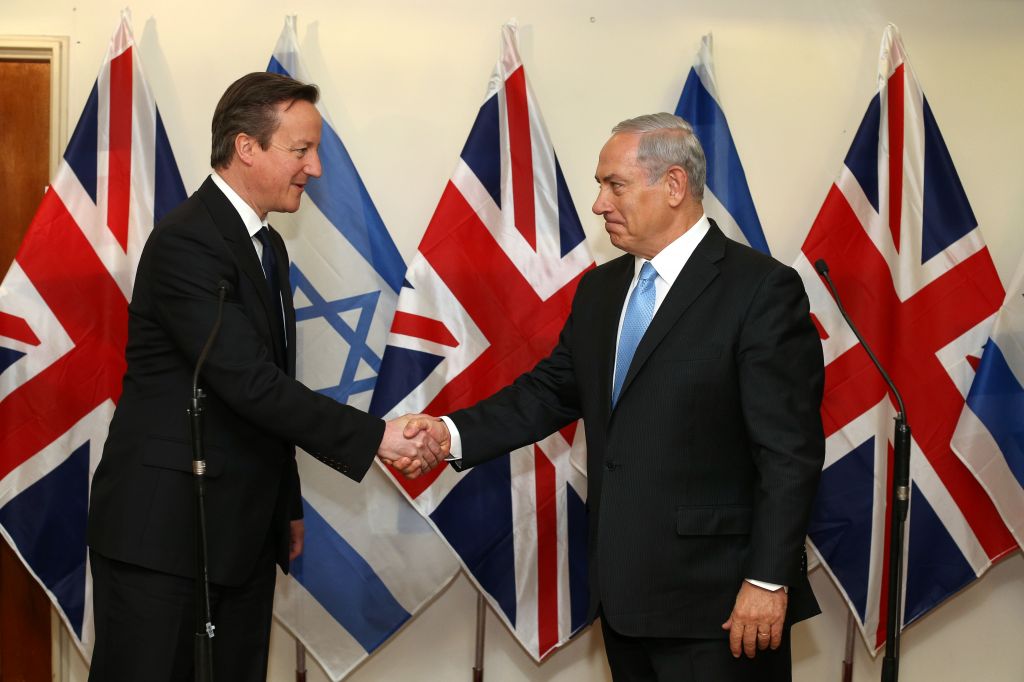
Britain goes to the polls on May 7. Coincidentally, Israel’s Benjamin Netanyahu has to form his coalition by May 7 (and likely will. If he fails, President Reuven Rivlin can offer the task of coalition-building to somebody else. And if that doesn’t work, Israel would go to the polls again).
If Prime Minister David Cameron wins reelection, he’s said this would be his last term. Cameron is 48. Prime Minister Netanyahu has given every sign of wanting to stay in power for as long as possible. Netanyahu is 65.
Nobody really knows who’s going to win the British elections, with neither of the main parties, Conservative and Labor, likely to gain a majority in the 650-seat House of Commons. Nobody really knew who was going to win the Israeli elections, with neither of the two main parties, Likud and Zionist Union (Labor), anywhere near to a majority in the 120-member Knesset.
Britain’s pollsters are generally acknowledging that the election is too close to call, especially as various smaller parties are complicating the electoral map, presenting all kinds of multi-party coalition possibilities. American polling expert Nate Silver, who predicted the results in every state in the 2012 American elections, on Monday anticipated an “incredibly messy outcome” and said there was “enormous uncertainty about who forms a government after 7 May.” Israel’s pollsters generally asserted that they knew how the Knesset would look, even though a dozen parties were competing for seats, presenting all kinds of multi-party coalition possibilities, and despite further complicating factors such as the 3.5% Knesset threshold, the difficulties of predicting turnout in the Arab sector, the propensity of some Israeli voters to lie in surveys, and the fact that a substantial proportion of the electorate only made up its mind who to vote for at the last moment.
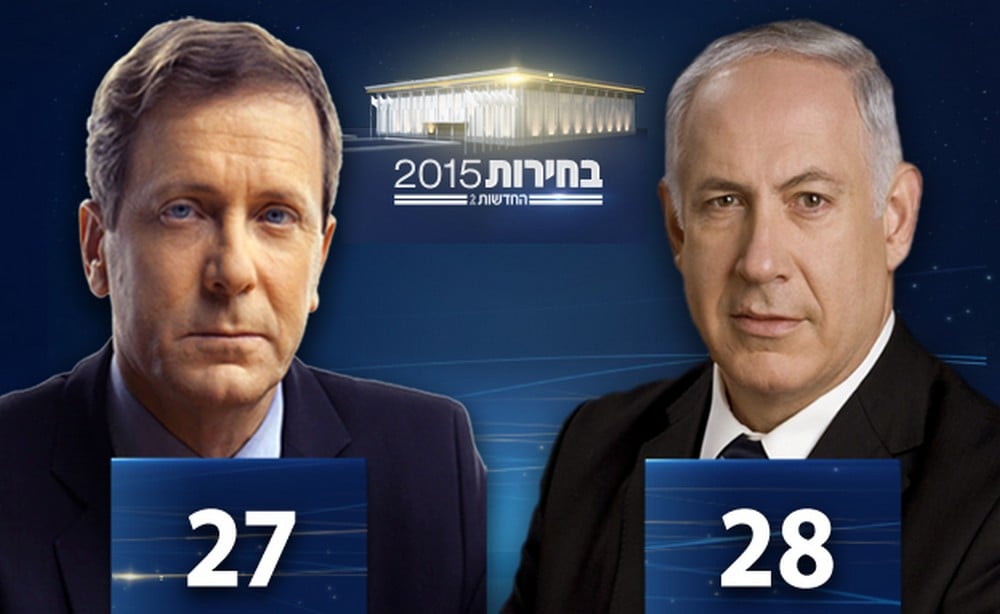
Britain’s incumbent Cameron is not particularly well-liked, and is seen as rather arrogant and out-of-touch with the electorate. His Conservatives are regarded as too close to big business — the party of the “haves,” indifferent to the “have-nots.” Israel’s incumbent Netanyahu is not particularly well-liked, and is seen as arrogant and out-of-touch with the electorate. His Likud party is regarded as too close to big business — the party of the “haves,” indifferent to the “have-nots.”
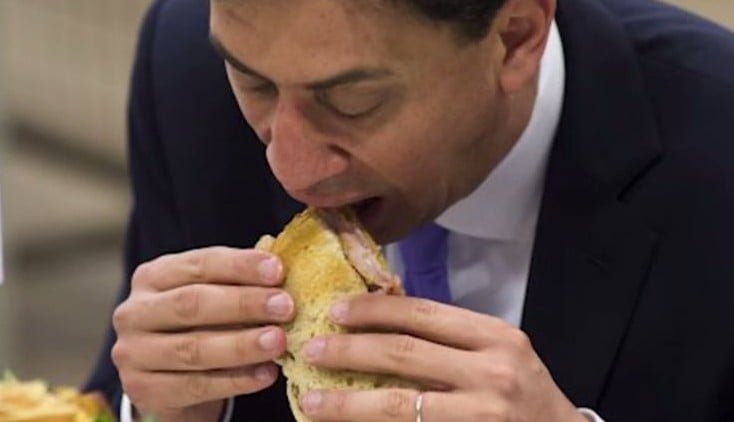
Britain’s Labor opposition leader Ed Miliband is seen as a bit of a geek, lacking in charisma and drive, a bit of a public embarrassment who proved incapable of getting his mouth around a bacon sandwich at a photo op last year. (Was that God we heard laughing?) Israel’s Labor opposition leader Isaac Herzog is seen as a bit of a geek, lacking in charisma and drive, a bit of a public embarrassment who proved incapable of getting his words right when briefly debating Netanyahu on TV three days before the elections. (Herzog vowed to “keep Netanyahu united,” when he meant to say “keep Jerusalem united.” That was Likud we heard laughing.)

Miliband invited a TV crew into his home, where much was made of the Spartan nature of his kitchen, ostensibly underlining his frugal lifestyle. It was then pointed out that there is a more lavish kitchen elsewhere in the home. Netanyahu invited a TV crew into his official residence, where much was made of the Spartan nature of his kitchen, ostensibly underlining his frugal lifestyle. It was then pointed out that there is a more lavish kitchen elsewhere in the home.
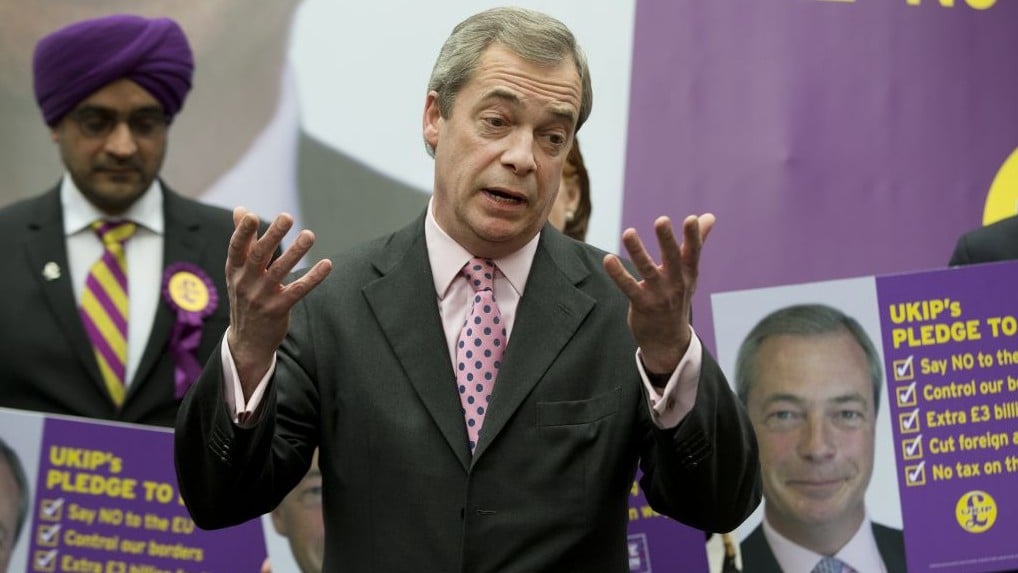
Cameron is trying desperately to discourage Conservative voters from drifting off to vote for UKIP, a party to the right that purports to uphold traditional British values. Netanyahu desperately and successfully discouraged Likud voters from drifting off to vote for various right-wing parties, including Jewish Home and Yachad, that purport to uphold traditional Jewish values.
In the UK vote, much could hinge on the performance of the Liberal Democrats, a party of rather vague orientation which could potentially sit in a Conservative or Labor coalition, and that partnered with Cameron in the outgoing government. In the Israeli vote, much hinged on the performance of Kulanu, a party of rather vague orientation which was seen as potentially sitting in either a Likud or Labor coalition, but quickly threw in its lot with Netanyahu as coalition-building began.

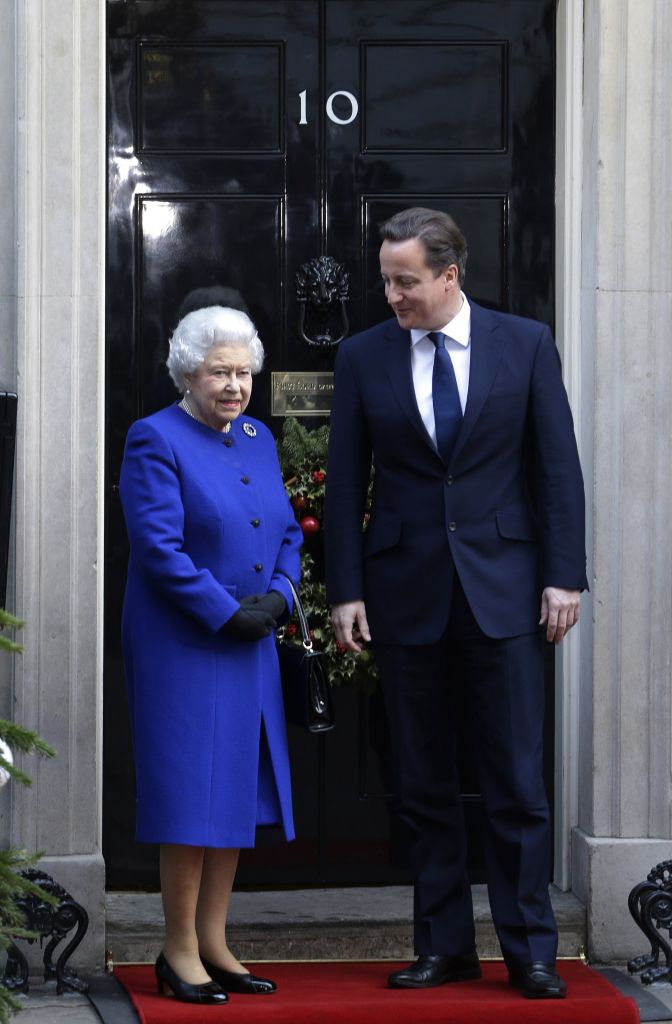
Cameron does not have the easiest relationship with Britain’s head of state, Queen Elizabeth II, and had to apologize to her last year for publicly disclosing the content of a private conservation about the future of Scotland. Netanyahu does not have the easiest relationship with Israel’s head of state, President Rivlin, whose election to office he sought to prevent, but is unlikely to have apologized to him.
A Labor-led government in the UK would push hard for Israeli territorial compromise with the Palestinians. A Labor-led government in Israel would have pushed hard for territorial compromise with the Palestinians.
If elected, Miliband would be Britain’s second Jewish prime minister (after Benjamin Disraeli, who was born into the faith but then baptized), and the first PM born to immigrant parents of Eastern European heritage who fled/survived the Nazis. Cameron has clearly proclaimed himself a Zionist; Miliband has been more circumspect. All 12 of Israel’s prime ministers have been of full or partial Eastern European heritage. All 12 have been Zionists, which is a legal requirement. (Nobody who negates “the existence of the State of Israel as a Jewish and democratic state” can be an MK, and the PM must be an MK.) All 12 to date have been Jewish, which is not a legal requirement but helps.








The Times of Israel Community.