

Clearing Gaza’s ‘minefield’ surface of ordnance could take 20-30 years — aid group
IDF says drone strike hits terror operative who crossed Yellow Line; humanitarian orgs say food supplies not meeting nutritional needs on the ground, situation ‘catastrophic’
 Add ToI as a Preferred Source on Google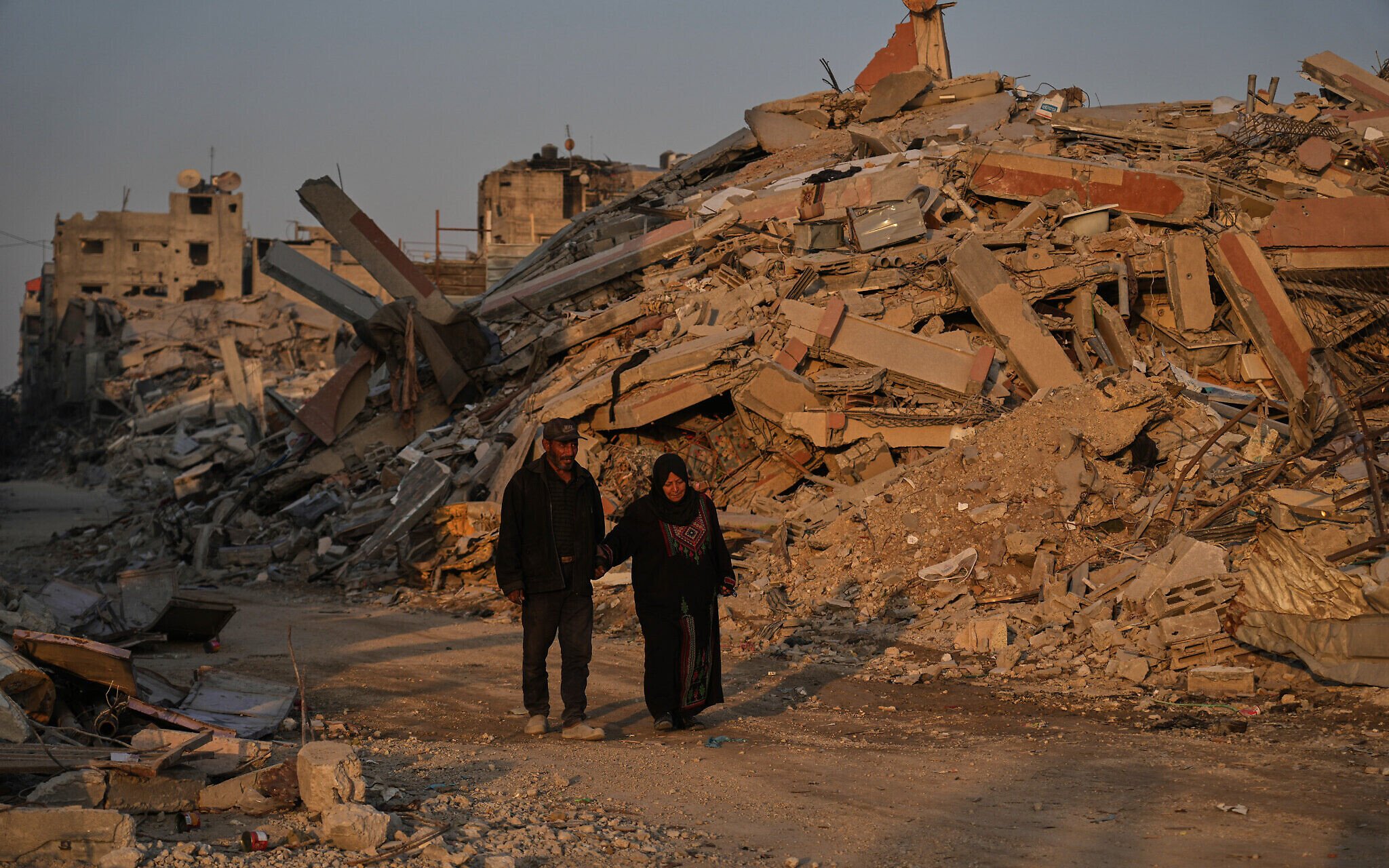
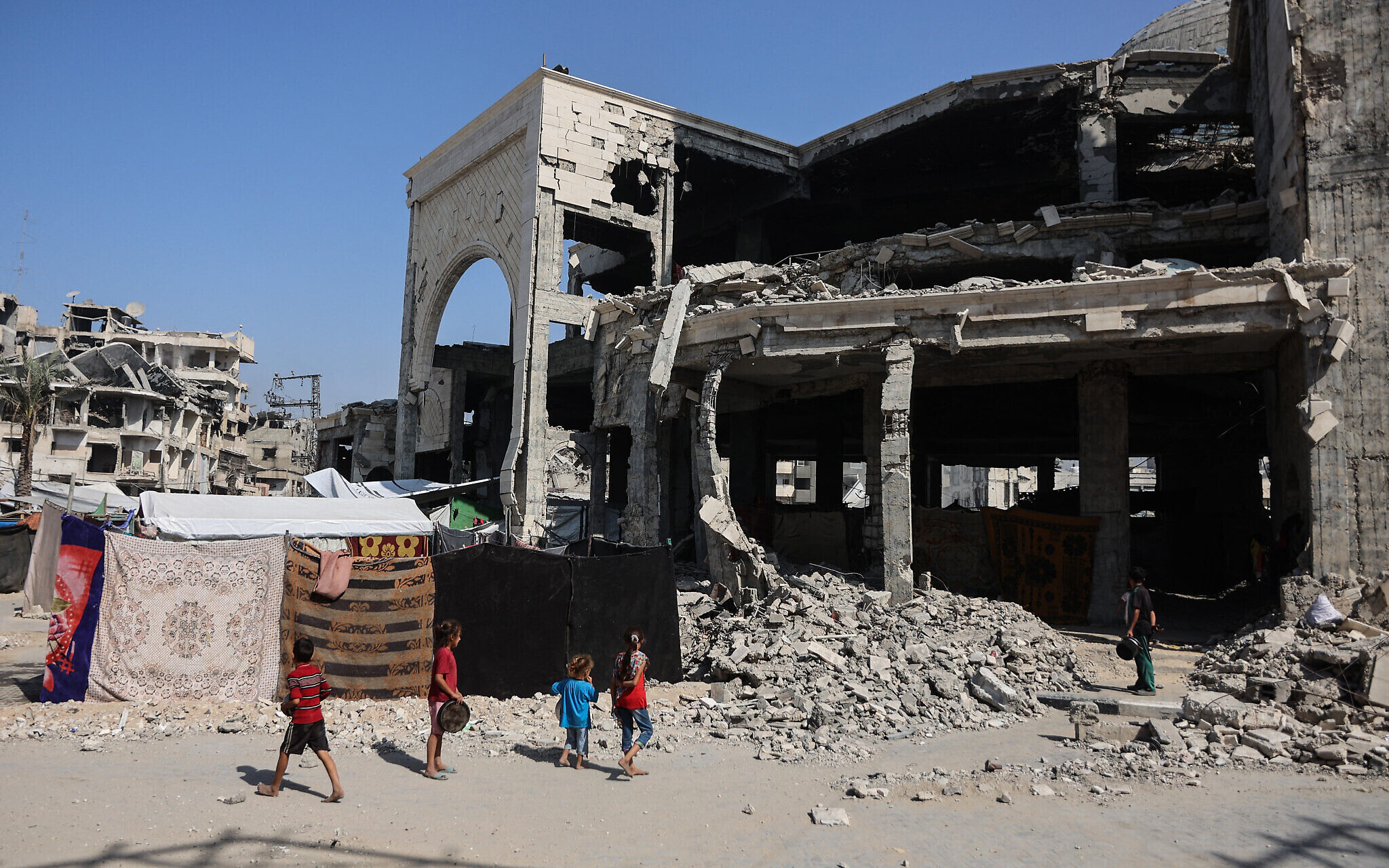
Clearing the surface of Gaza of unexploded ordnance will likely take between 20 and 30 years, according to an official with aid group Humanity & Inclusion, describing the wartorn enclave on Thursday as a “horrific, unmapped minefield.”
More than 53 people have been killed and hundreds injured by lethal remnants from the two-year Israel-Hamas war that was stopped earlier this month in a ceasefire, according to a UN-led database, which is thought by aid groups to be a major underestimate.
“If you’re looking at a full clearance, it’s never happening, it’s subterranean. We will find it for generations to come,” said Nick Orr, an explosive ordnance disposal expert at Humanity & Inclusion, comparing the situation to British cities after World War II.
“Surface clearance, now that’s something that’s attainable within a generation, I think 20 to 30 years,” he added. “It’s going to be a very small chipping away at a very big problem.”
Orr, who went to Gaza several times during the conflict, is part of his organization’s seven-person team that will begin identifying war remnants there in essential infrastructure like hospitals and bakeries next week.
For now, however, aid groups like his have not been given blanket Israeli permission to start work on removing and destroying the ordnance nor to import the required equipment, he said.
COGAT, the Defense Ministry agency overseeing Gaza aid, did not immediately respond to a request for comment. It blocks items from entering Gaza that it considers have “dual use” — both civilian and military.
Orr said it was seeking permission to import supplies to burn away bombs rather than detonate them, to ease concerns about them being repurposed by Hamas.
While the ceasefire continued to hold, the IDF said it carried out a drone strike against a Palestinian terror operative who crossed the Yellow Line — to which the military withdrew under the terms of the ceasefire — in southern Gaza’s Khan Younis on Thursday.
According to the IDF, the operative was detected crossing the Yellow Line “in a way that posed an imminent threat” to troops.
The IDF said the troops directed an Israeli Air Force drone that struck and killed the operative. Palestinian media also reported one dead in the strike.
Situation ‘catastrophic’ despite ceasefire
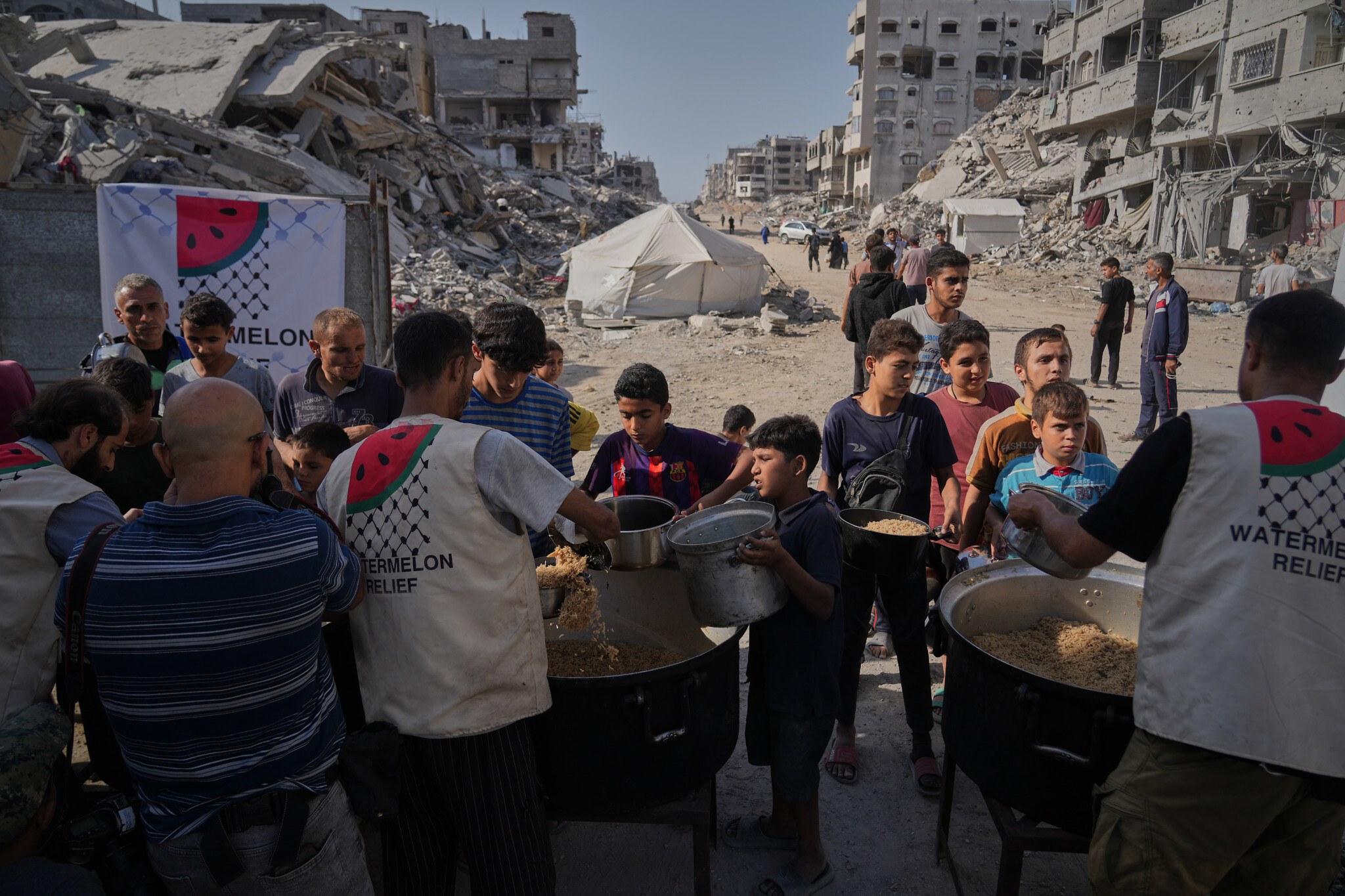
Meanwhile, aid groups said Thursday that supplies of food into Gaza are not meeting its population’s nutritional needs, adding that some parts of the territory are experiencing famine.
“The situation in the Gaza Strip remains catastrophic, even two weeks after the ceasefire began,” Bahaa Zaqout, director of external relations at Palestinian nonprofit group PARC, said via video link from Deir al-Balah in Gaza.
Aid groups, including Oxfam, said the delivery of aid into Gaza is facing major hurdles, with many international nonprofits still restricted from getting supplies in, while commercial goods that have entered are not meeting nutritional needs on the ground.
Oxfam and 40 other aid organizations, including Médecins Sans Frontières and the Norwegian Refugee Council, published a joint letter on Thursday raising an alarm about sustained restrictions on aid because of ongoing registration issues.
COGAT did not immediately reply to a request for comment. Israel has rejected allegations of famine in the territory, accusing aid agencies of failing to distribute supplies, and charging that Hamas terrorists have looted trucks throughout the war.
Zaqout cited examples of biscuits, chocolate, and soda being allowed in on commercial trucks, while items such as seeds and olives remain restricted from entering.
“Unfortunately, these do not respond to the minimum nutritional values required for children, women, and the most vulnerable groups,” Zaqout said.
He also said that though some fruits and vegetables are entering, prices remain high and out of reach for most people.
One kilogram of tomatoes costs around NIS 15 (about $4.50), when it previously used to cost a single shekel.
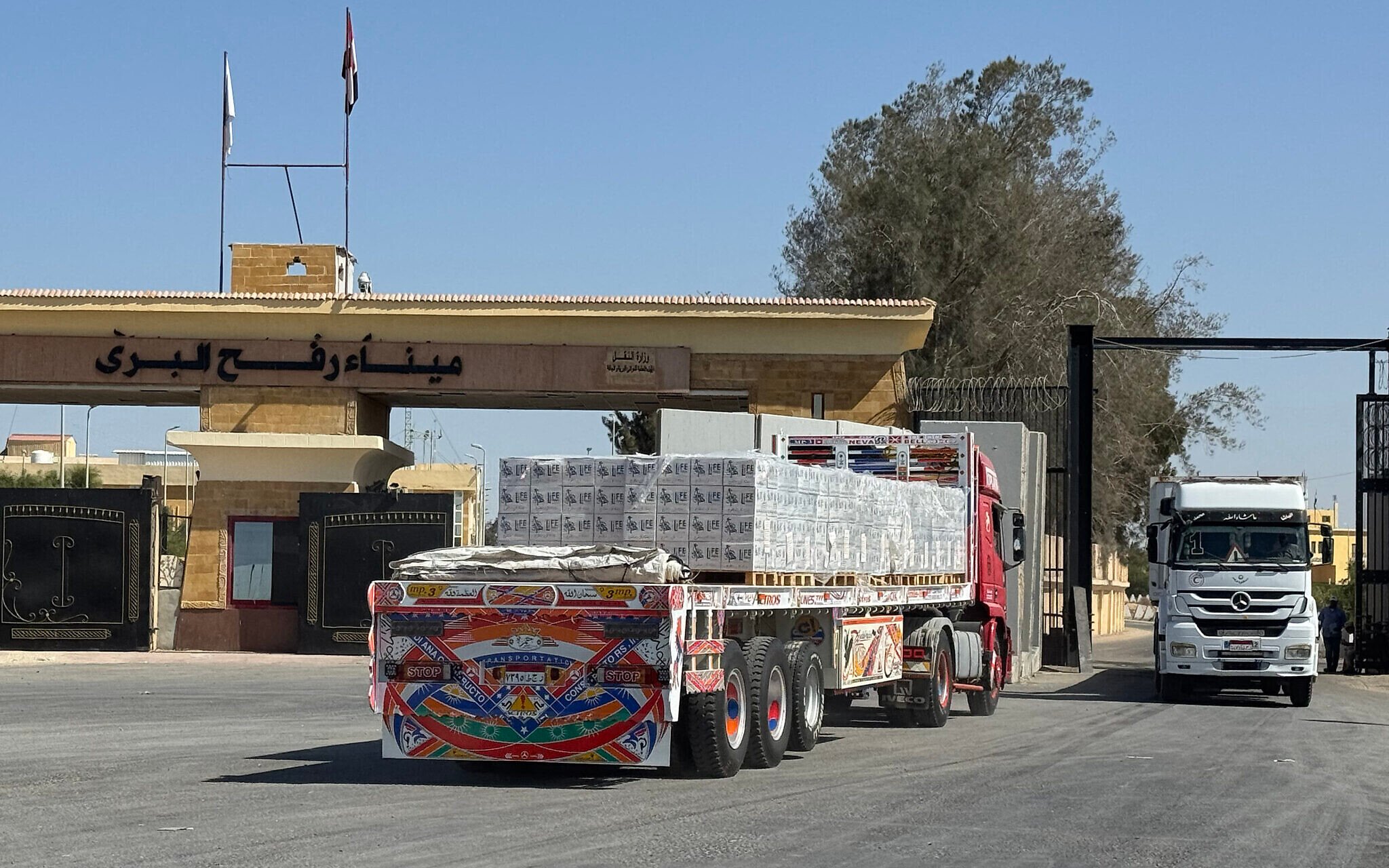
The UN World Food Programme said on Tuesday that supplies into Gaza were ramping up but still far short of its daily target of 2,000 tons because only two crossings are open, and none in the north of the Strip.
The ceasefire plan brokered by US President Donald Trump envisages “full aid” being sent into Gaza.
“We expected Gaza to be flooded with aid the moment the ceasefire began, but that’s not what we’re seeing,” said Bushra Khalili at Oxfam.
“The situation still remains catastrophic because what’s entering is not enough,” World Health Organization chief Tedros Adhanom Ghebreyesus told reporters on Thursday, speaking at the UN health agency’s Geneva headquarters.
Since the ceasefire came into effect, there has been “no dent in hunger, because there is not enough food,” he warned.
While the agreement provides for the entry of 600 trucks per day, Tedros said that currently, only between 200 and 300 trucks are going in daily.
And “a good number of the trucks are commercial,” he said, pointing out that many people in the territory have no resources to buy goods.
“That reduces the beneficiary size,” he said.

While the WHO chief hailed the fact that the ceasefire was holding despite violations, he warned: “The crisis is far from over, and the needs are immense.
“There are no fully functioning hospitals in Gaza, and only 14 out of 36 are functioning at all. There are critical shortages of essential medicines, equipment, and health workers,” Tedros said.
He said that since the ceasefire took effect, WHO had been sending more medical supplies to hospitals, deploying additional emergency medical teams, and striving to scale up medical evacuations.
He warned that “the total cost for rebuilding the Gaza health system will be at least $7 billion.”
Hamas sparked the war when it launched its October 7, 2023, massacre in Israel, murdering some 1,200 people, mostly civilians, and taking 251 hostages from southern communities.

In accordance with the ceasefire deal, Hamas released the last 20 living hostages last Monday, within 72 hours of Israel’s withdrawal to the Yellow Line. Hamas has also returned the remains of 15 slain hostages, though 13 remain, with the terror group claiming it is working to locate them.
The remaining deceased hostages include Hadar Goldin, a soldier killed fighting in the 2014 Gaza war — the last remaining captive from before the Hamas onslaught of October 7, 2023.
The Hamas-run Gaza health ministry says more than 66,000 people in the Strip have been killed or are presumed dead in the fighting so far, though the toll cannot be verified and does not differentiate between civilians and fighters. Israel says it has killed over 22,000 combatants in battle as of August and another 1,600 terrorists inside Israel during the October 7 onslaught.
Israel has said it seeks to minimize civilian fatalities and stresses that Hamas uses Gaza’s civilians as human shields, fighting from civilian areas, including homes, hospitals, schools, and mosques.
Israel’s toll in the ground offensive against Hamas in Gaza and in military operations along the border with the Strip stands at 475.










The Times of Israel Community.