

Days after end of Operation Rising Lion, Haifa zoo roars back into action
After repeatedly being forced to close due to conflicts since Oct. 7, 2023, the zoological garden welcomes visitors back – and its staff has a message about their mission
 Add ToI as a Preferred Source on Google
Reporter at The Times of Israel
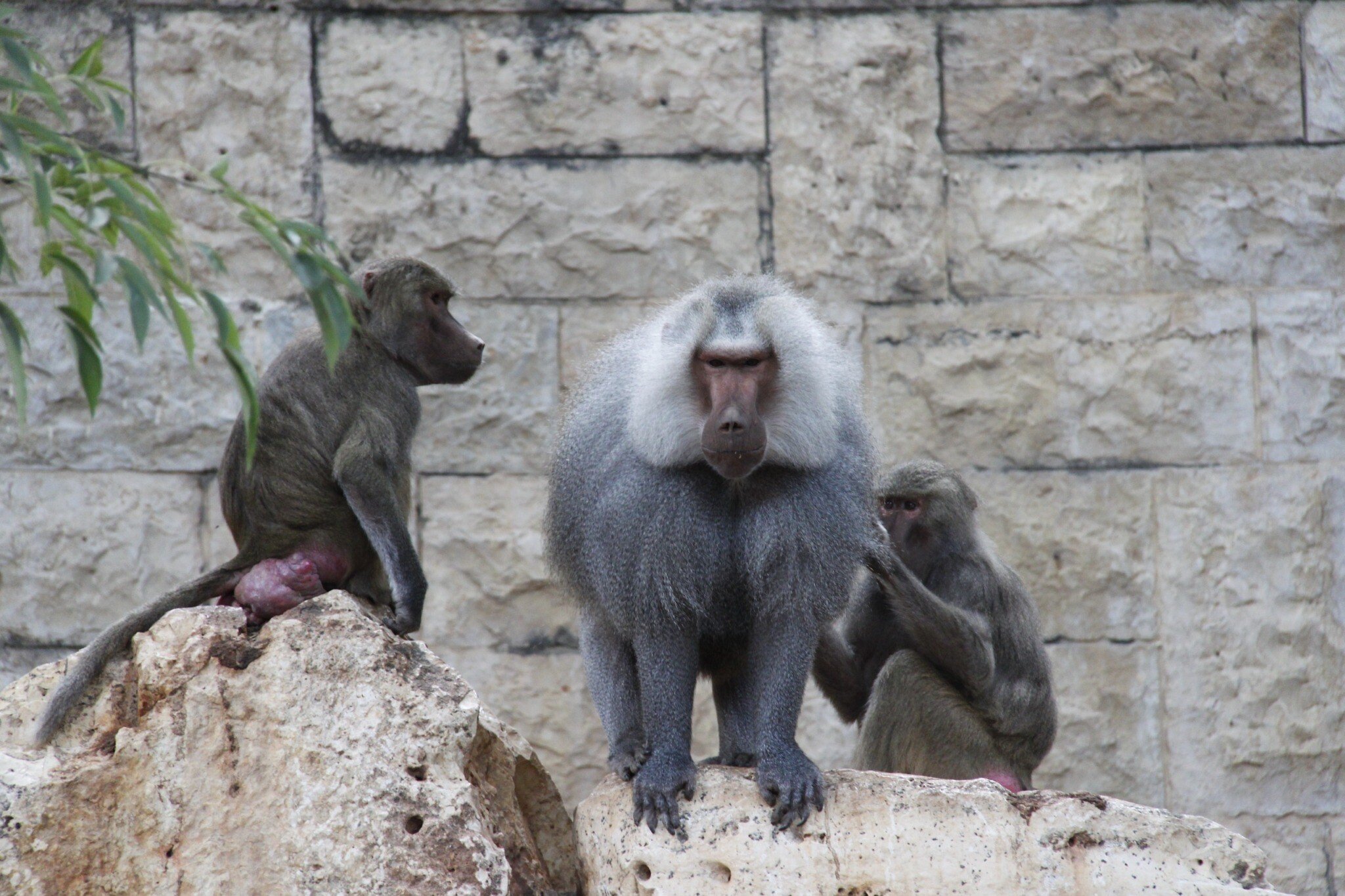
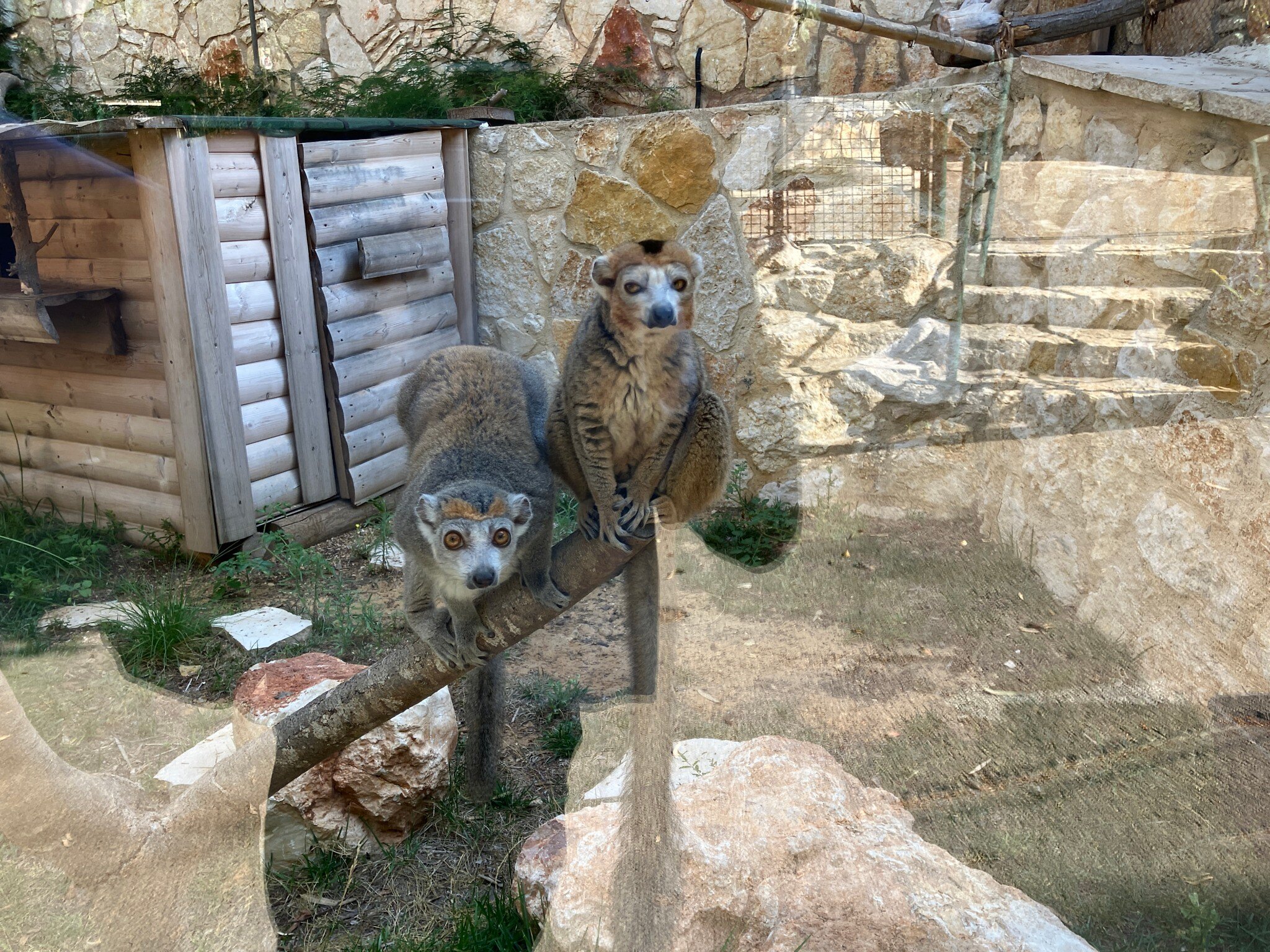
On the top of Mt. Carmel in Haifa on Tuesday morning, three baboons crouched on a rock grooming one another, two crowned lemurs scurried along a tree branch, and a spotted leopard snoozed in the middle of its jungle habitat.
But sirens signaling incoming Iranian ballistic missiles then sounded, and keepers at the Louis Ariel Goldschmidt Haifa Educational Zoo herded the animals into indoor chambers or rooms made of solid concrete to take shelter from the attack.
As Israel launched preemptive strikes on Iranian nuclear and military facilities starting on June 13, Iran responded with indiscriminate ballistic missile fire at Israel’s crowded population centers. Over 550 missiles and roughly 1,000 drones were launched, killing 28 people and wounding thousands.
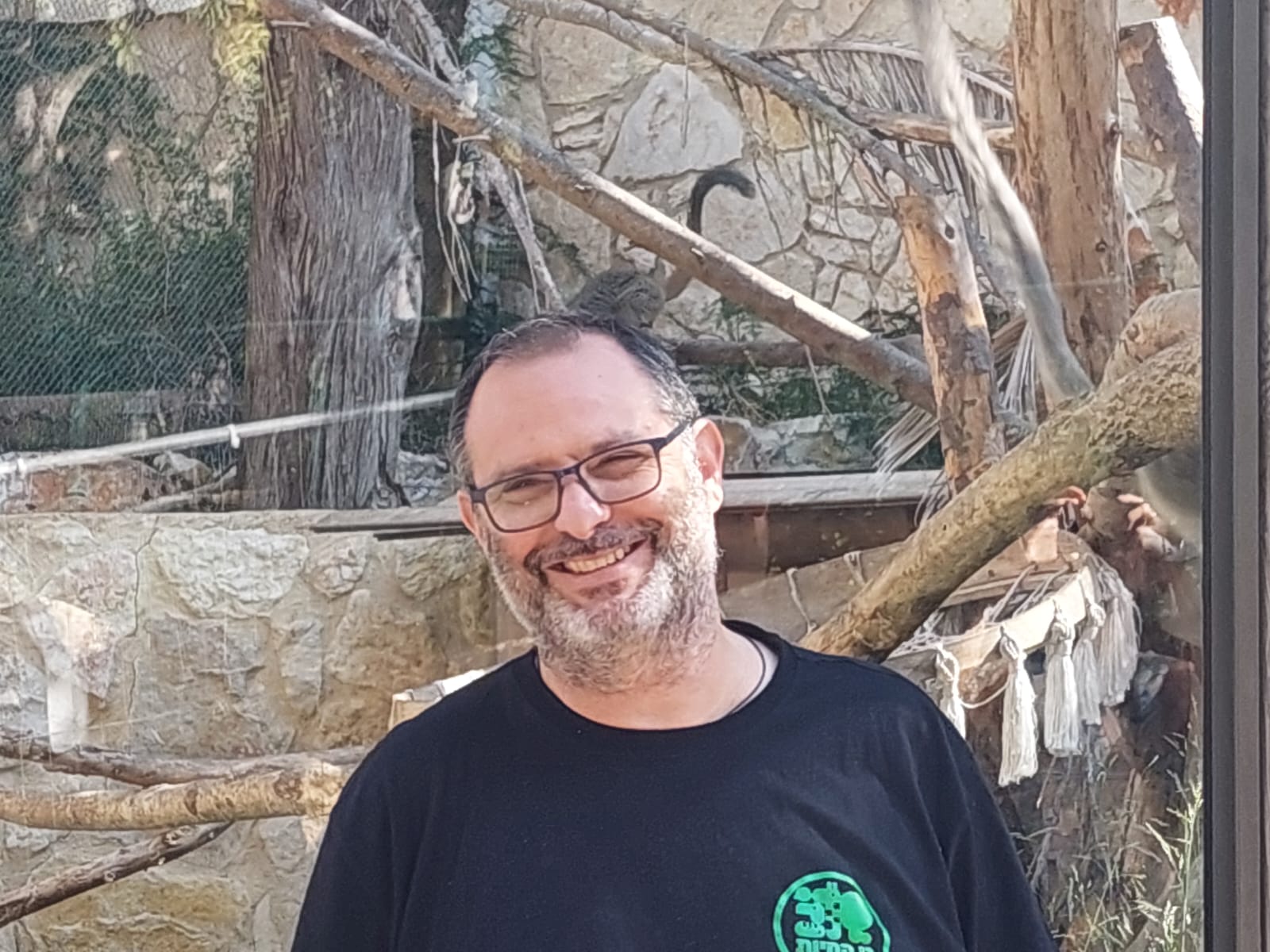
The biggest concern was that the animals would be “wounded or killed,” said Dr. Noam Werner, 56, as he gave The Times of Israel a tour of the closed zoo grounds on Tuesday, walking along hillside paths that wind through the zoo’s 36 dunams (nine acres), filled with shady trees, bushes and grasses — and some hundreds of animals.
“For the keepers, who work closely with the animals, losing an animal would be like losing a relative or a close friend,” Werner said.
On Thursday, two days after a ceasefire with Iran went into effect, the zoo reopened to the public.
‘Taking care of endangered species’
Schools and private individuals visit the Haifa Zoo to watch wild animals in action, Werner said, but “contrary to popular misconception, zoos are not just for people to be entertained.”
“The real focus of modern zoos these days is less about entertainment and more about taking care of endangered species and ensuring biodiversity in animal populations,” the zoologist explained.
“Even if an animal might be on the verge of extinction, zoos have genetically healthy populations of certain species that they can then reintroduce to the wild,” Werner said. “People don’t recognize the conservation work that zoos do to promote different species’ preservation.”
The Haifa Zoo works with other conservation groups to help save some of the animals on what’s known as the Red List, the International Union for Conservation of Nature’s list of threatened global species, including plants, fungi and animals.
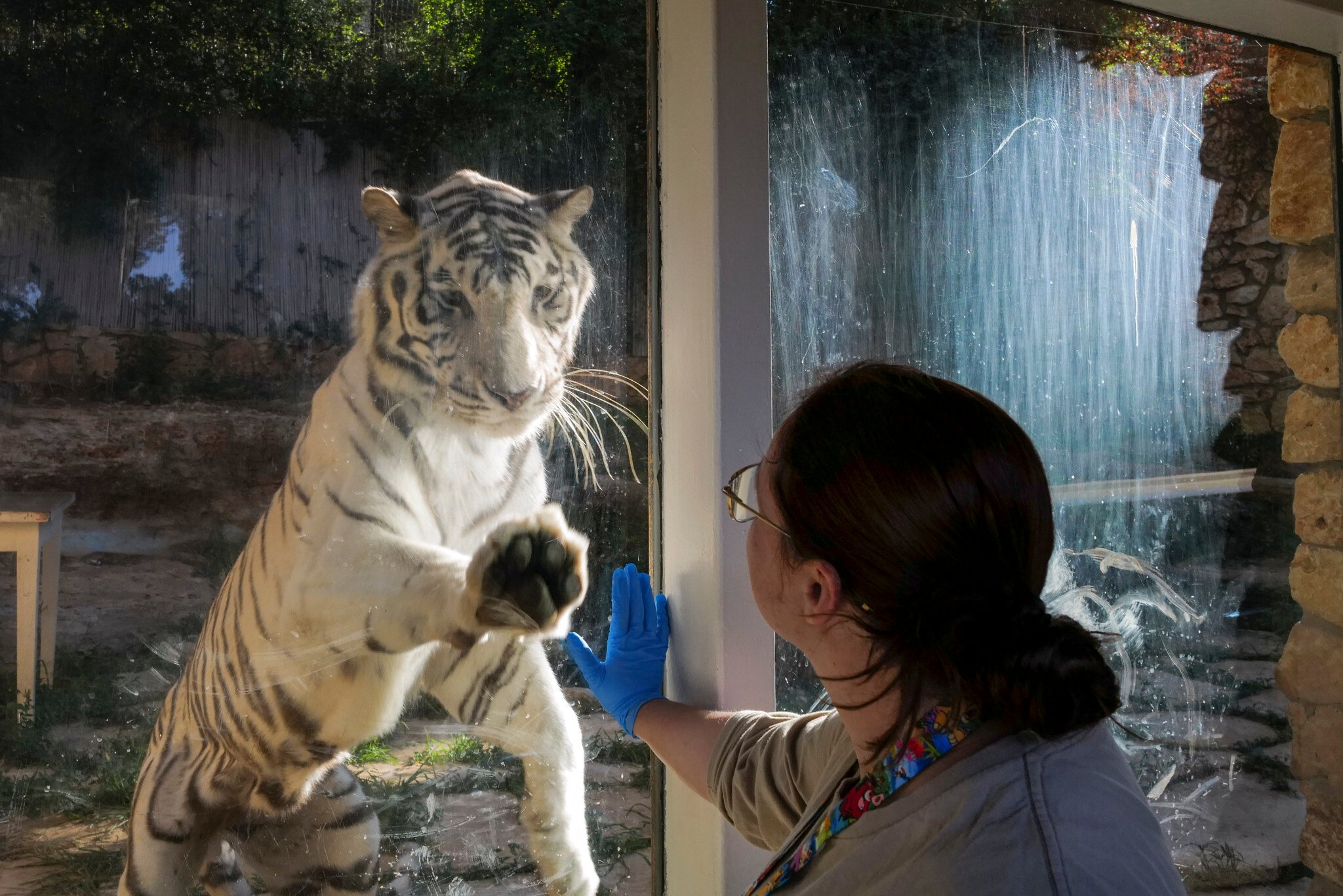
“I can’t say that all zoos are fantastic, but the hormone stress levels of animals are lower in zoos, and they get good nutrition and a longer life span,” he said, stopping to admire Pierre, an impressive 17-year-old white Siberian tiger weighing about 180 kilograms (396 pounds).
“Most tigers in the wild don’t make it to their first birthday,” Werner said. “If Pierre were out in the wild now, he wouldn’t be able to hunt or protect his own territory.”
Pierre, a white Siberian tiger, at the Haifa Educational Zoo on June 24, 2025. (Diana Bletter/Times of Israel)
‘It’s better to keep these animals alive in a zoo’
“These days, zoos have a very important role in wildlife conservation,” said Dr. Gila Kahila of Hebrew University’s School of Veterinary Medicine, speaking to The Times of Israel by telephone. “A lot of zoos have breeding facilities for species that are endangered or critically endangered, where they can then reintroduce them to the wild.”
Kahila, who specializes in conservation genetics, said that sometimes “it’s better to keep these animals alive in a zoo to breed them rather than letting nature do whatever it does and they become extinct.”

The Haifa zoo was founded in 1949 by Pinhas Cohen, an educator and agronomist — and Haifa’s first science teacher. Today, the zoo is managed by Ethos, the Haifa municipality’s art, sports and culture company.
On October 7, 2023, when thousands of Hamas-led terrorists stormed Israel, killing some 1,200 people amid terrible acts of brutality and kidnapping 251 into Gaza, the zoo shut its doors, staying closed for months as Hezbollah-led forces attacked Israeli communities and military posts along the northern border on a near-daily basis, with the group saying it was doing so to support Gaza amid the war there.
The zoo fully reopened on January 1, 2024. However, when Hezbollah expanded its attacks to also target Haifa and other areas, the zoo shut its doors again. On November 30, three days after a ceasefire with Hezbollah came into effect, the zoo opened, only to close again for 12 days during Operation Rising Lion.
The animals weren’t traumatized by the loud booms of the missiles.
“To them, it’s like hearing thunder,” Werner said.
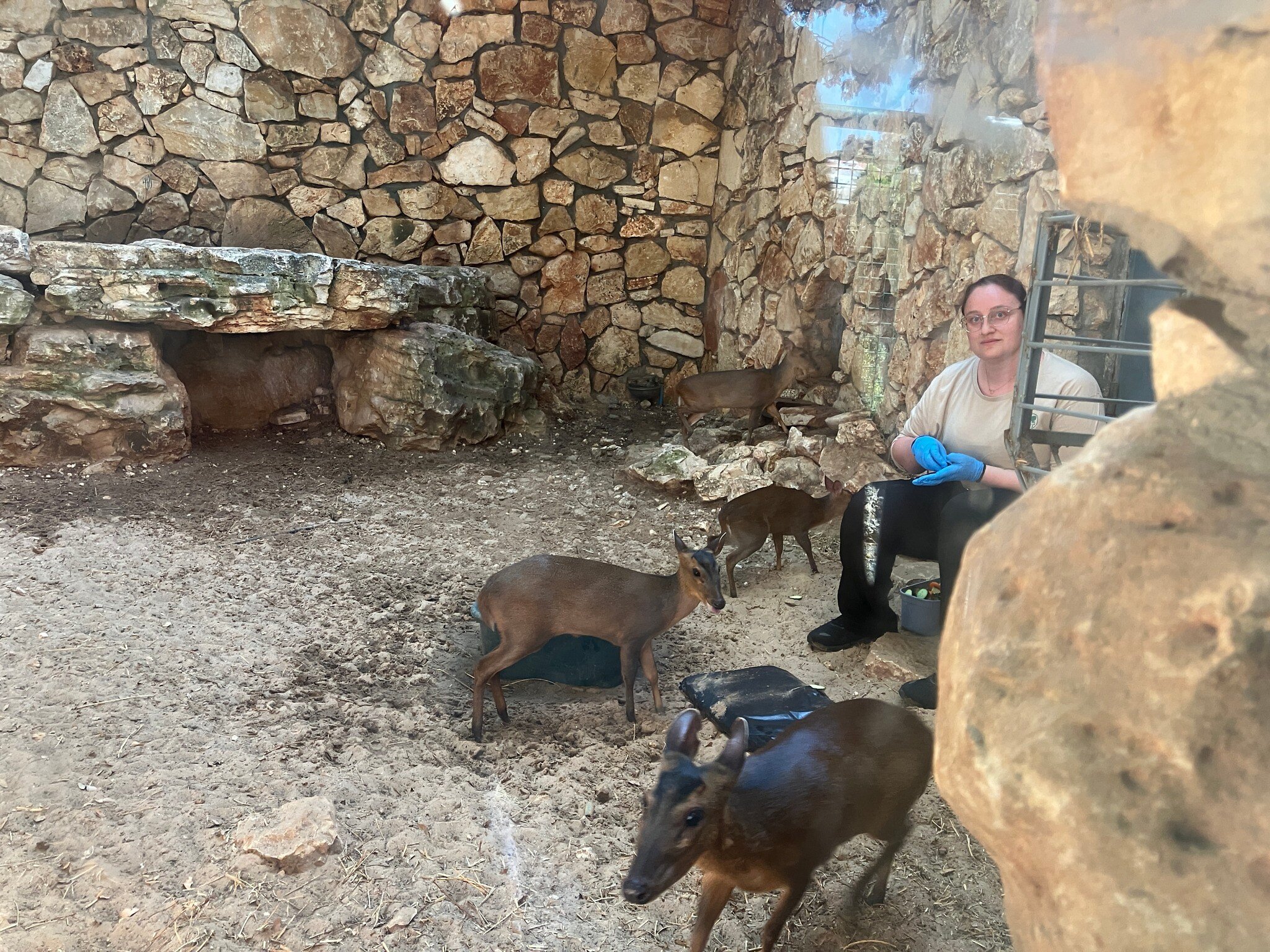
Without visitors during the wars, the zoo’s staff of 30 has had more time to give the animals “attention and introduce enrichment into their lives,” Werner said.
It is important not to “anthropomorphize” how animals feel, saying they look bored or sad or asking why they don’t smile.
For example, he pointed out that tigers live alone in nature.
“They sleep 16 to 20 hours a day,” he said.
The zookeepers hide the animals’ food to make sure they work to find it, the way they would in the wild.
Some trainers work with the animals to get them used to people so they can be treated by the zoo’s veterinarian.
“Our training is husbandry-oriented,” Werner said. “It’s not for a show or a circus.”
He said that zoos in urban environments also serve another purpose, providing a way for people to connect with the outdoors and spend time in nature.
“We know it’s imperative and essential for human welfare to spend time in a greenscape,” he said. “A zoo is a way for people to be between the trees.”










The Times of Israel Community.