

EU approves 20th sanctions package against Russia and $105 billion loan to Ukraine
Russia vows to retaliate after sanctions imposed on oil and gas, the linchpin of Russia’s economy; loan to Ukraine comes just before the war-torn state was set to run out of money
 Add ToI as a Preferred Source on Google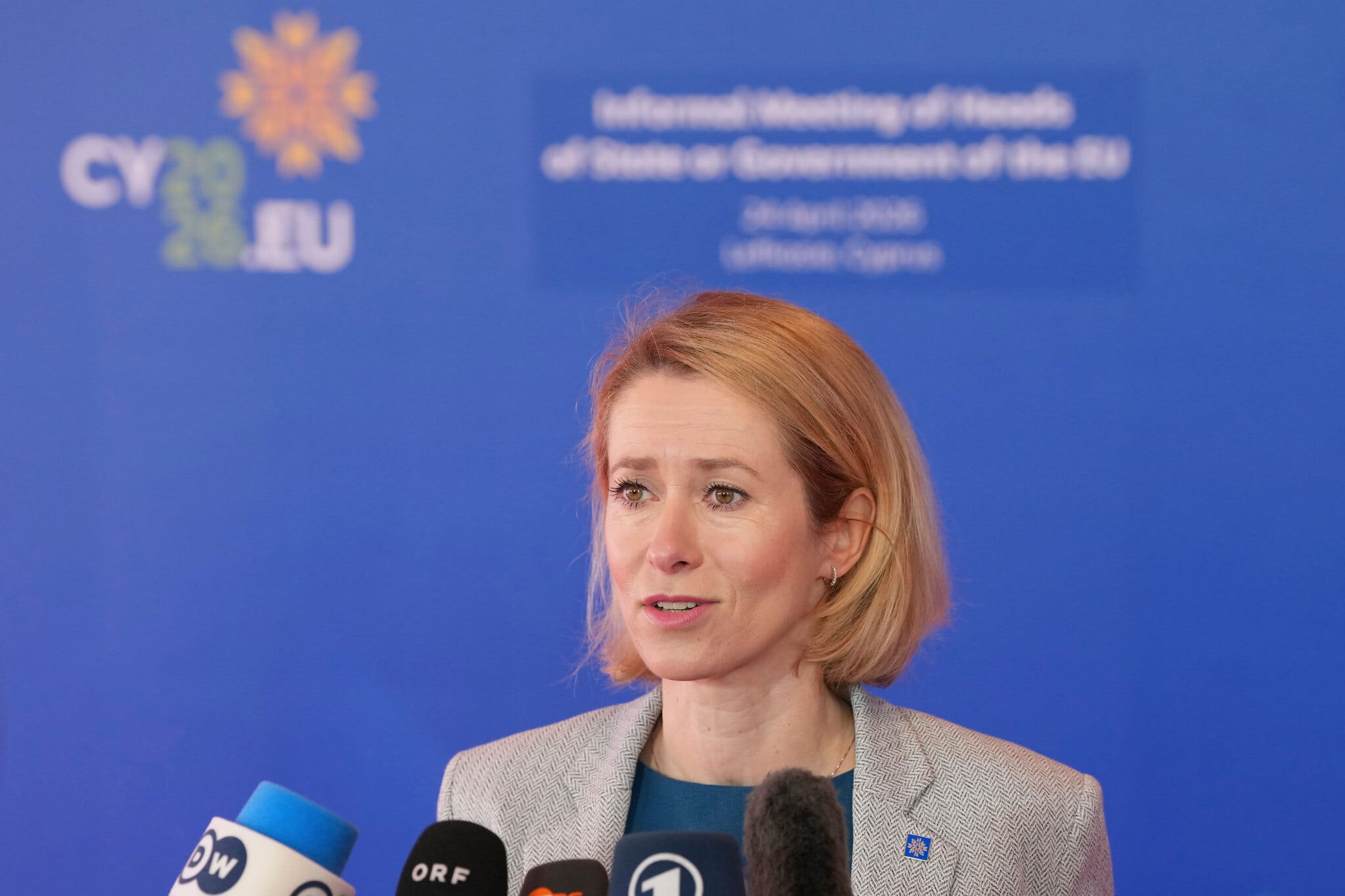
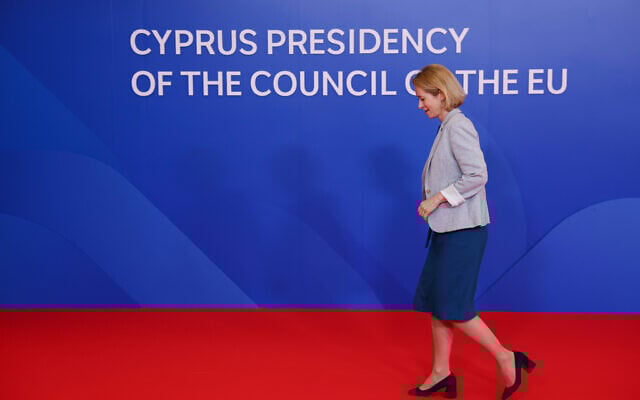
The European Union formally approved on Thursday new sanctions against Russia and a €90 billion ($105 billion) loan to Ukraine ahead of an informal summit of the bloc’s leaders in Cyprus, which Ukrainian President Volodymyr Zelensky attended.
This is the EU’s 20th package of sanctions against Russia over Moscow’s war in Ukraine in February 2022.
More than 40 ships believed to be part of Russia’s shadow fleet, illicitly transporting oil, were targeted as part of the sanctions, furthering restrictions on the transportation of Russian oil and gas and sanctions against oil producers and refineries.
Oil revenue is the linchpin of Russia’s economy, allowing Putin to pour money into the armed forces without worsening inflation for everyday people and avoiding a currency collapse.
A number of banks were targeted, and a ban was imposed on Europeans using Russian cryptocurrency.
Asset freezes were slapped on around 60 more “entities” — often companies, government agencies, banks, or other organizations — adding to a growing list of more than 2,600 Russian officials and entities already under sanctions, including Putin, his political associates, oligarchs, and dozens of lawmakers.
The EU has been trying since February to push through a new raft of sanctions against Russia to undermine its war effort, but Hungary and Slovakia were blocking those measures over an oil feud with Ukraine.
The feud began in January when Russian oil deliveries to the two EU countries were halted after a pipeline was damaged. Ukrainian officials blamed the damage on Russian drone attacks. Both countries confirmed Thursday that deliveries have resumed.
Russia responded on Friday, saying that new EU sanctions on its oil and gas would hurt developing countries and the EU itself, and promised to retaliate.
“All this is happening amid a global energy crisis and resource shortages that are being acutely felt in most regions of the world,” Russian Foreign Ministry spokeswoman Maria Zakharova told reporters at her weekly press conference.
“By attempting to further destabilize energy markets, Brussels is hurting both itself and developing countries, which are no longer able to afford energy at artificially inflated prices.”
She said the sanctions also threatened food security as they included restrictions on fertilizers.
“We will take retaliatory measures. They will be tough, designed in accordance with our interests,” Zakharova added.
Russian diplomats on Friday also denounced the sanctions.
“We would like to remind you that only sanctions imposed by the decision of the UN Security Council are legitimate,” state news agency TASS quoted a statement by diplomats at Russia’s mission to the European Union.
“All others are unilateral coercive measures, and essentially — arbitrariness and aggression that contradict international law and the UN Charter.”
Ukraine gets loans
The loan is set to cover two-thirds of Ukraine’s needs for the next two years. Economists had said Ukraine would start to run out of money by June if the EU loan was not disbursed by then, requiring deep cuts to public services.
The political greenlight for the loan package came after Russian oil began flowing to Hungary and Slovakia again through the Druzhba pipeline that crosses Ukraine. Populist Slovak Prime Minister Robert Fico welcomed that development as “good news.”
“While Russia doubles down on its aggression, we are doubling down on our support to the brave Ukrainian nation, enabling Ukraine to defend itself and putting pressure on Russia’s war economy,” European Commission chief Ursula von der Leyen said.
“Promised, delivered, implemented,” European Council President António Costa posted on social media. A few hours later, as he arrived to chair a summit of EU leaders in Cyprus, Costa told reporters that the priority now must be to advance Ukraine’s quest to join the bloc.
Standing alongside him, Ukrainian President Volodymyr Zelensky thanked his European partners for their support. “We will work to make sure the funds are delivered as soon as possible,” he said. “This will strengthen, of course, first of all our army, Ukrainian forces, and allow us to boost production.”
The Iran war
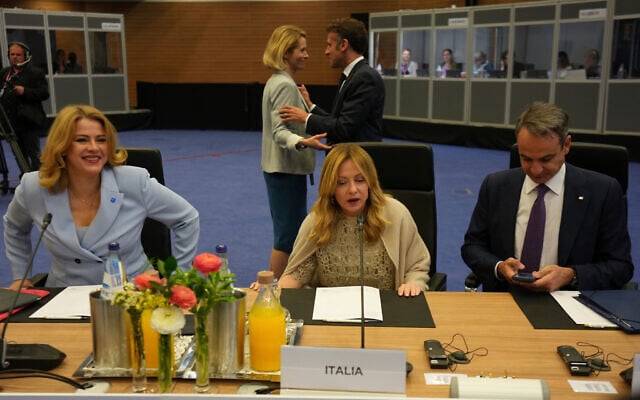
EU leaders also discussed the war in the Middle East, energy measures in response and the EU’s next long-term budget.
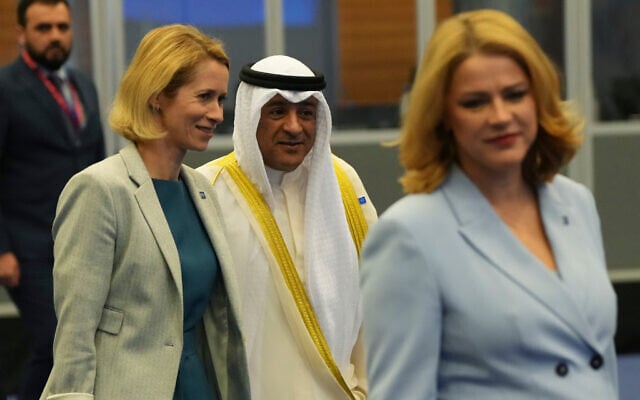
They were joined by leaders from Egypt, Jordan, Lebanon, Syria and the Gulf Cooperation Council for lunch on Friday.
The European Commission set out plans on Wednesday to cut electricity taxes and coordinate the summer refill of countries’ gas storage, as it seeks to cushion the energy fallout from the Iran war.
The published plans show the EU will, for now, avoid major market interventions such as capping gas prices or taxing energy companies’ windfall profits – measures it used in 2022 when Russia cut gas supplies and prices hit record highs.




The Times of Israel Community.