

Former police chiefs call for state commission of inquiry into Meron disaster
In letter to PM, ex-commanders say independent investigation needed to prevent future calamities; one says festivities should be halted for 4-5 years until proper safety in place
 Add ToI as a Preferred Source on Google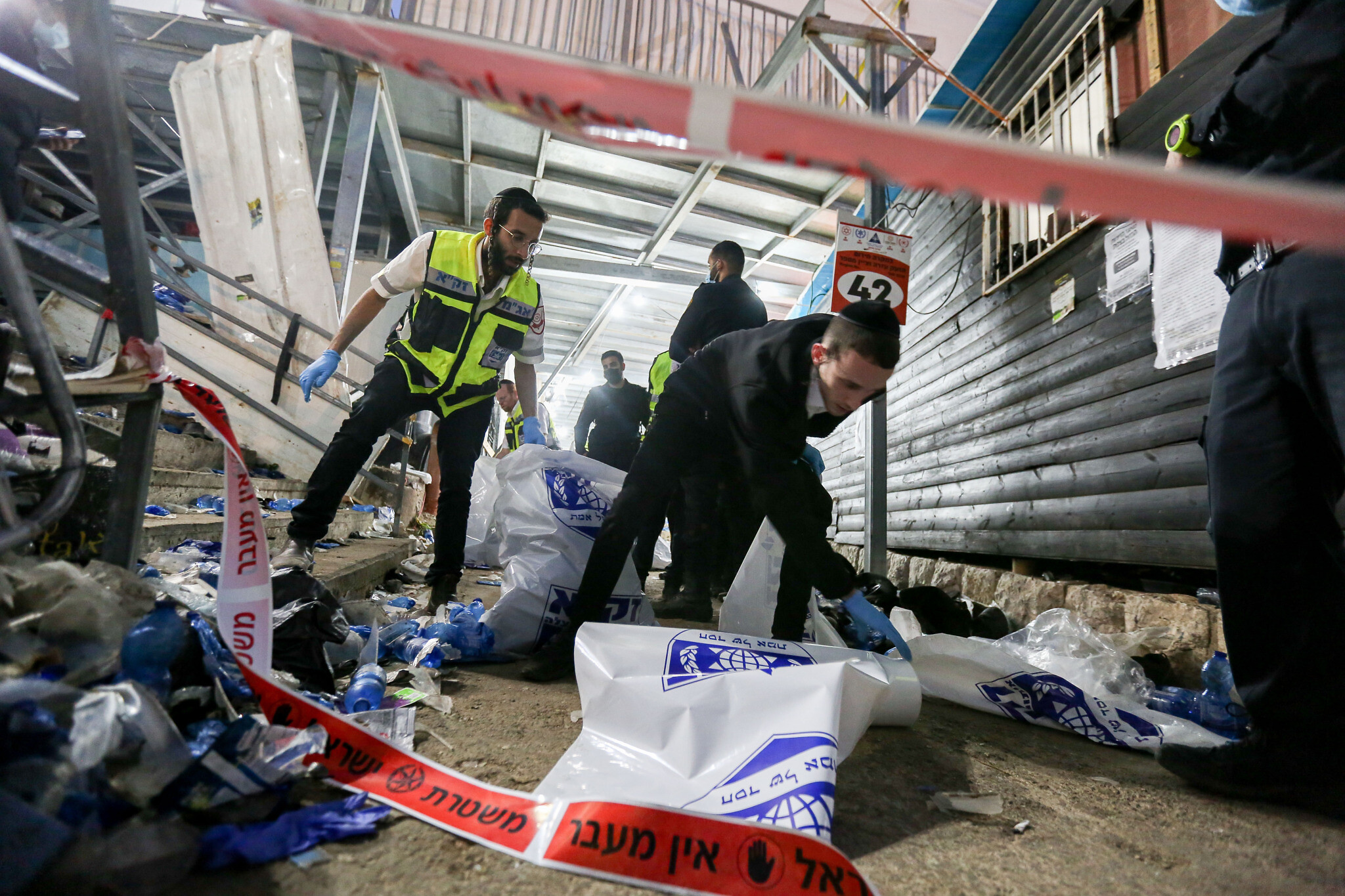
A forum of former Israel Police chiefs on Sunday urged Prime Minister Benjamin Netanyahu to form a state commission of inquiry into the Mount Meron disaster last week that saw 45 people crushed to death at a religious festival.
In a letter to the prime minister, the Retired Police Commissioners and Major General’s Forum said only a thorough investigation examining the role of all bodies involved in organizing the annual Lag B’Omer event at Mount Meron can provide sufficient input to prevent another disaster in the future.
The letter was also sent to Justice Minister Benny Gantz, Attorney General Avichai Mandelblit, Supreme Court Chief Esther Hayut, and current Israel Police Commissioner Kobi Shabtai.
It came as the Justice Ministry’s Police Internal Investigations Department began its own probe of the force’s role in the planning and securing of the festival attended by some 100,000 people, principally from the ultra-Orthodox community. The Israel Police has also launched an investigation.
The letter by the former police chiefs stressed a lack of general oversight at the annual event, which has been highlighted in the wake of the tragedy.
“The Mount Meron incident is not the sole responsibility of the Israel Police,” wrote the forum, which is led by ex-Israel Police chief Moshe Karadi.
“It involves other security agencies, government ministries, and various authorities, both in the administrative work and in the decision-making process, with the division of responsibilities between the bodies for planning, management, and execution performed completely blindly.”
“For the purpose of an in-depth and thorough investigation of all the bodies involved in this incident and others like it, and especially to prevent a similar disaster in the future, there is no alternative but the establishment of a state commission of inquiry,” the letter urged.
Netanyahu is expected to oppose a state commission of inquiry, fearing its political consequences, Channel 12 News reported Saturday.
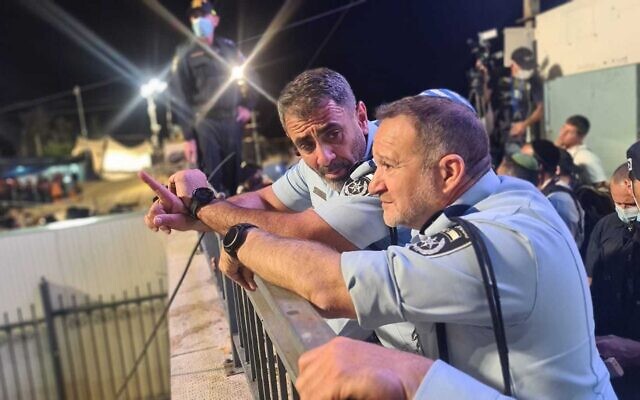
Earlier Sunday, Police Commissioner Shabtai sent a message out to all officers in the force, saying that police were working to investigate the issues that led to the tragedy. He also expressed his full support for those who were at the event.
“We are striving to uncover the truth and to draw informed and balanced lessons from all the parties involved in this complex event,” he wrote.
“The policemen and policewomen who were at Meron worked for long hours, alongside the medical, emergency, and rescue teams, with tears in their eyes, resourcefulness, and determination to save lives. I turn to each and every one of you, the police and commanders, and commend those who work day and night, to carry out your tasks with a sense of mission, sacrifice, and self-risk.”
On Sunday morning, investigators from the PIID arrived at Mount Meron to begin probing the causes of the disaster, including gathering various documents relating to the preparations and authorizations for the events at the site, the Ynet website reported. The PIID team probing the incident will be led by Salman Ibrahim, head of the department’s investigations division.
Fire and Rescue Commissioner Dedy Simhi also said in a statement that the incident will be fully investigated.
“The fire department, as is appropriate for a professional operational organization, will investigate and study the action at Mount Meron and will strive for continuous improvement,” the statement said.
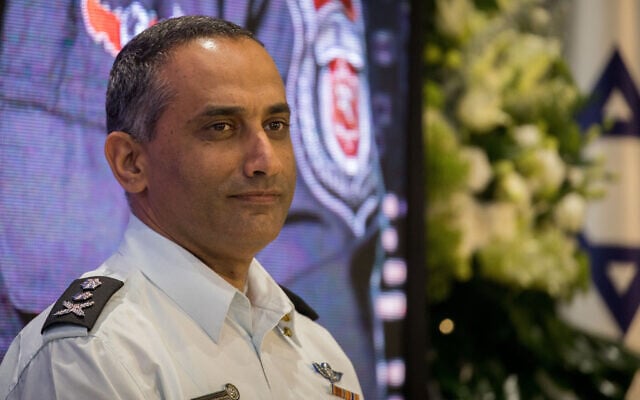
Since the disaster, several former police chiefs have characterized Meron as a kind of extraterritorial facility where ultra-Orthodox organizers have ultimate control, although the National Center for the Protection of Holy Places, part of the Ministry of Religious Affairs, apparently has overall safety responsibility.
Multiple reports in Hebrew media outlets indicated that there had been immense pressure by religious lawmakers ahead of the festivities to ensure that there would be no limits placed on the number of attendees due to the COVID-19 pandemic. Some 100,000 ultra-Orthodox pilgrims ultimately attended the event; a framework drawn up by the Health Ministry, in consultation with other government officials, police, and others, would have limited the event to 9,000 participants but was not implemented.

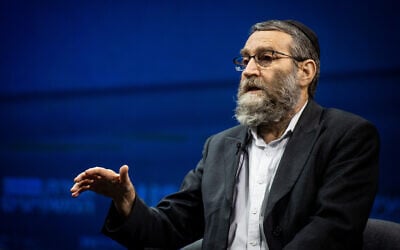
Head of the ultra-Orthodox United Torah Judaism party MK Moshe Gafni said Sunday that he neither opposes nor supports a commission of inquiry, but raised questions as to why nothing was done in the past to make the festival at Israel’s second-most visited Jewish holy site safer.
“First of all government decisions need to be taken, [in which] the government says what it intends to do with this place,” Gafni said told the Kan public broadcaster. “Why haven’t they done anything until today?”
Former police chief Assaf Hefetz, who headed the force during a deadly incident at a festival in the southern city of Arad in 1995 when three teens were crushed to death, placed the blame for the Meron incident with the government, rather than the police.
“The failure is governmental in the political structure,” he told Channel 12 news. “The very fact that they are subservient to the will of the religious, the entire system creates pressure that it is impossible to withstand.”
He also urged a state commission of inquiry, saying that the situation at Meron is unsustainable. Hefetz said that no police commissioner has ever been able to say of the Lag B’Omer celebrations, “I can’t let this event happen.”
“The blame is without a doubt on the political system and the state that creates the pressure and problems. Police are stuck in the middle.”
Hefetz called for a halt to the annual festivities at Meron for 4-5 years, until decisions are made and implemented to ensure they can be conducted safely.

The disaster began at 1 a.m. on Friday morning when huge crowds of ultra-Orthodox pilgrims were making their way along a narrow walkway with a slippery metal flooring that ended in flights of stairs. People began to slip and fall, others fell upon them, and a calamitous crush ensued. Eyewitness accounts from the scene said police had barricaded part of the walkway.
It later came to light that the state comptroller had warned on at least two occasions that the site at the Mount Meron compound was dangerously ill-equipped for the hundreds of thousands who regularly attend Lag B’Omer celebrations there, while an internal police report in 2016 said that the chaos in the site’s management could lead to disaster.
The various reports revealed that the site should not have been permitted to hold more than about 15,000 people. Officials have estimated the crowds on Thursday evening at over 100,000, a number that was significantly lower than in many previous years.
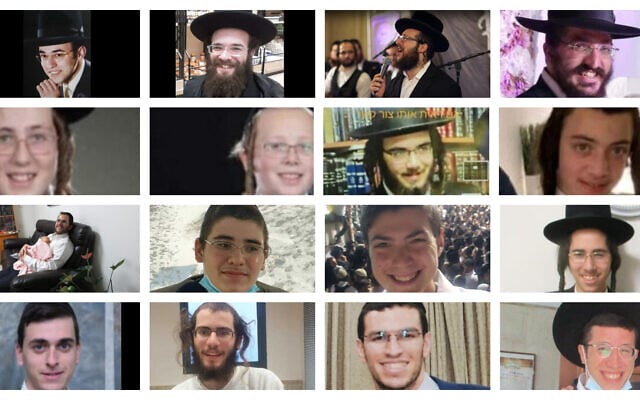
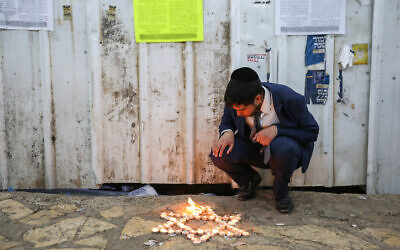
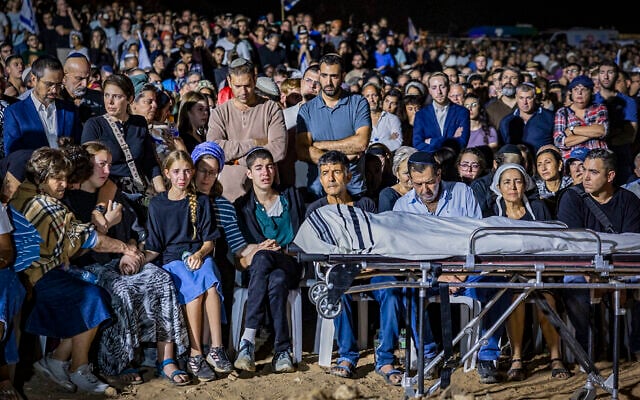
Funerals for the victims — including over a dozen children and teenagers — were held Friday, Saturday night, and Sunday.
Public Security Minister Amir Ohana on Saturday said he bears overall responsibility, “but responsibility does not mean blame.” Facing criticism for staying largely silent since the disaster, Ohana, who oversees the police, wrote in a Facebook post that he planned to face the public once the dead were buried.
“I am ready to face any probe and answer any question,” Ohana said.
Ohana also gave full backing to the police, saying that “the whole chain of command did its job” ahead of and during the incident, including the police chief and district commander.

Northern District Commander Shimon Lavi said on Friday that he bears “overall responsibility” for the disaster as the local police commander.
According to Hebrew media reports over the weekend, Commissioner Shabtai has personally told Lavi he has his full support.
As attention begins to focus on what when wrong, one of Israel’s two chief rabbis said Sunday that future Lag B’Omer celebrations at Mount Meron should be spread over a week, rather than just a few days as is usually the case, in order to reduce crowding.
“It could be that the events need to be divided over a whole week,” Ashkenazi Chief Rabbi David Lau told the Kan public broadcaster.
He suggested that some bonfires and prayers could be held even before Lag B’Omer, which falls on a particular date of the Hebrew calendar, with the more boisterous revelry taking place during and after the festival.





The Times of Israel Community.