

Germany probes artist who irked far-right leader with Holocaust memorial replica
Phillip Ruch alleges possible political persecution after he discovers authorities have been conducting a covert investigation against him
 Add ToI as a Preferred Source on Google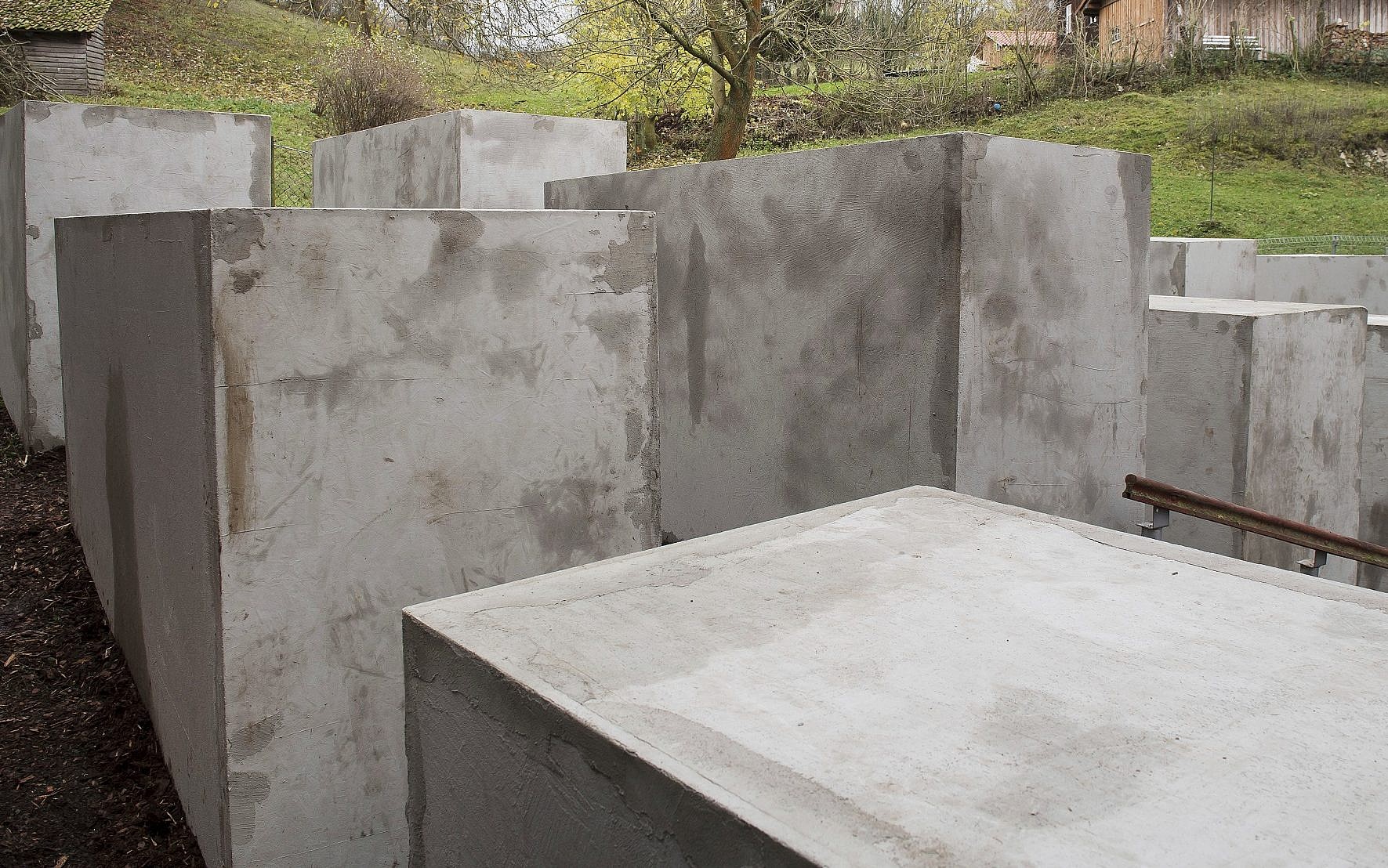
A German artist has been under investigation for 16 months for building a replica of Berlin’s famous Holocaust memorial next to the home of the country’s most famous far-right leader — after the latter called the installation a “monument of shame.”
The monument was created by political artist Philipp Ruch, who secretly rented nearby property and built it over several months.
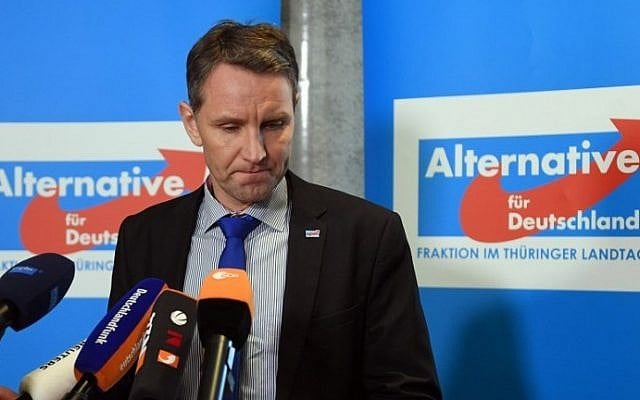
Bjoern Hoecke, a leading member of the Alternative for Germany (AfD) party — the third-biggest party in the German parliament — made a speech in January 2017 in which he charged that Germany is the only country to build a “monument of shame” in the heart of its capital.
He has tried unsuccessfully to get the replica removed after it was erected in November 2017, by suing and even seeking criminal proceedings against Ruch.
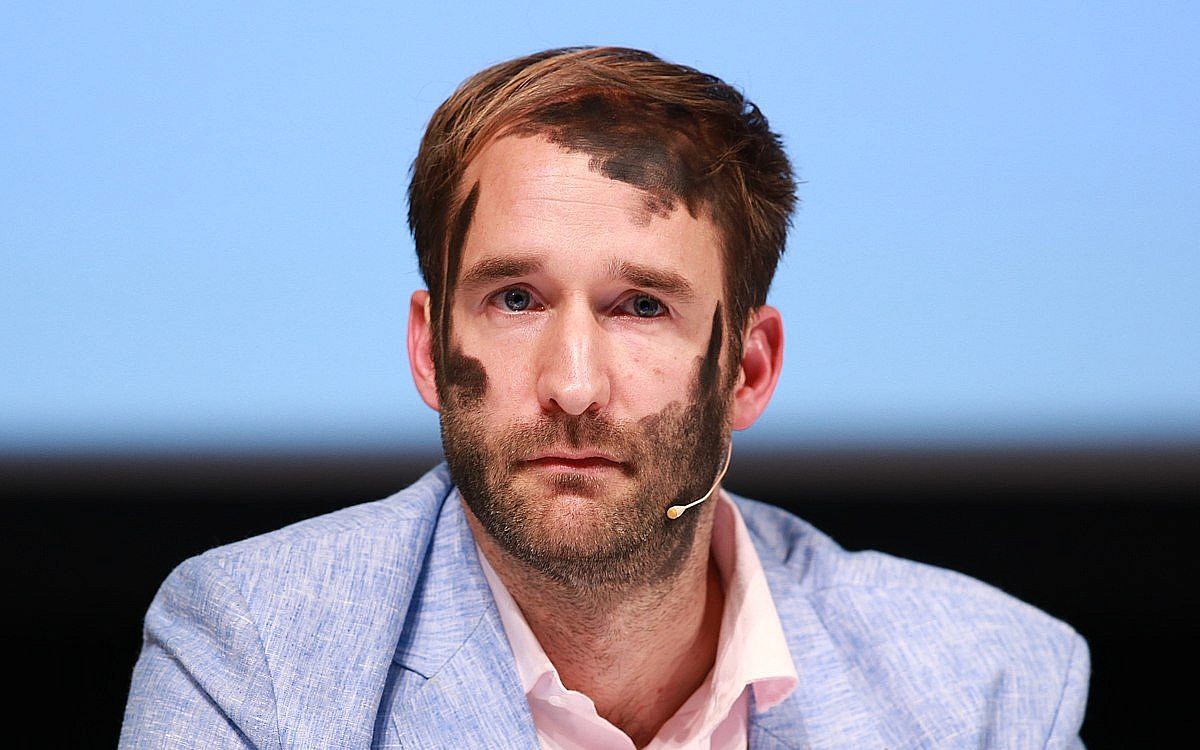
Ruch has now confirmed to the New York Times and The Art Newspaper that his Zentrum für Politische Schönheit (Center for Political Beauty) group has been the subject of a covert investigation to find whether it is a criminal organization, under a legal provision known as Paragraph 129, commonly used against extremists.
The revelation drew allegations of political motivations behind the probe.
“We have to ask the question: Is there a political intention that overlaid the judicial intention?” Steffen Dittes, a lawmaker for the Left Party, told the Times.
The investigation was uncovered when Dittes requested a list of all those subjected to an investigation under Paragraph 129. The list featured terror groups such as Islamic State, Holocaust deniers and extremists, in addition to an unnamed “group of action artists” — confirmed later by Ruch to be his group.
Ruch told the Times he has not been given details about the investigation.
Martin Zschachner, a spokesman for the prosecution in the German state of Thuringia, told media outlets that the investigation was initiated because the group had threatened to use surveillance equipment to spy on Hoecke’s home.
Ruch has said his group only pretended to monitor the home as a further artistic message against Hoecke’s views. He has said he intends to take legal action against authorities, the Times reported.
“They could be observing me, tapping my phone, following me around because they don’t like my art and my politics,” he said.


The Times of Israel Community.