

Hamas security prisoners call off hunger strike, prison service says
Authorities say inmates caved without receiving any of their demands for removal of cellphone-jamming technology in wings; Palestinian sources say some requests met
 Add ToI as a Preferred Source on Google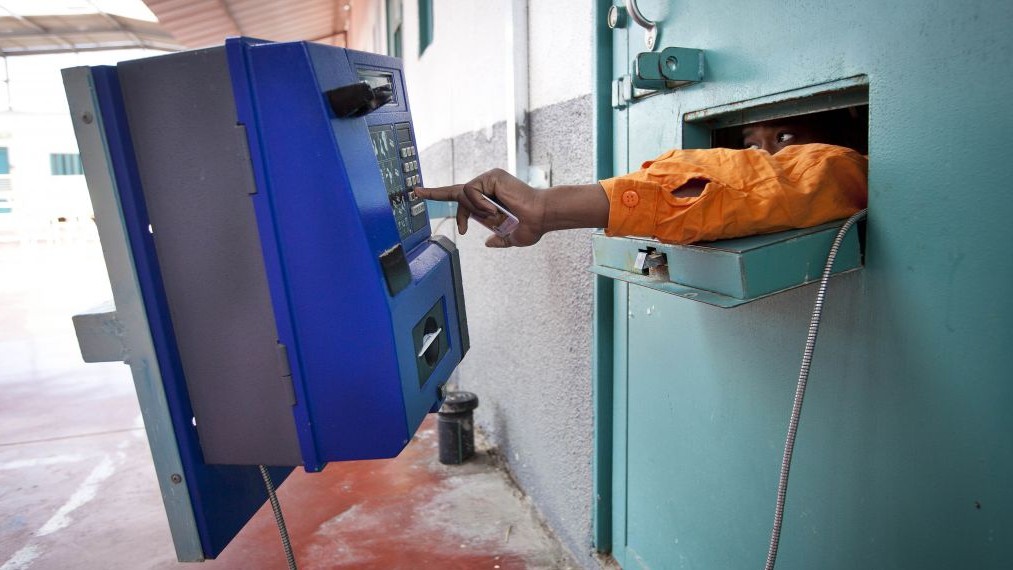
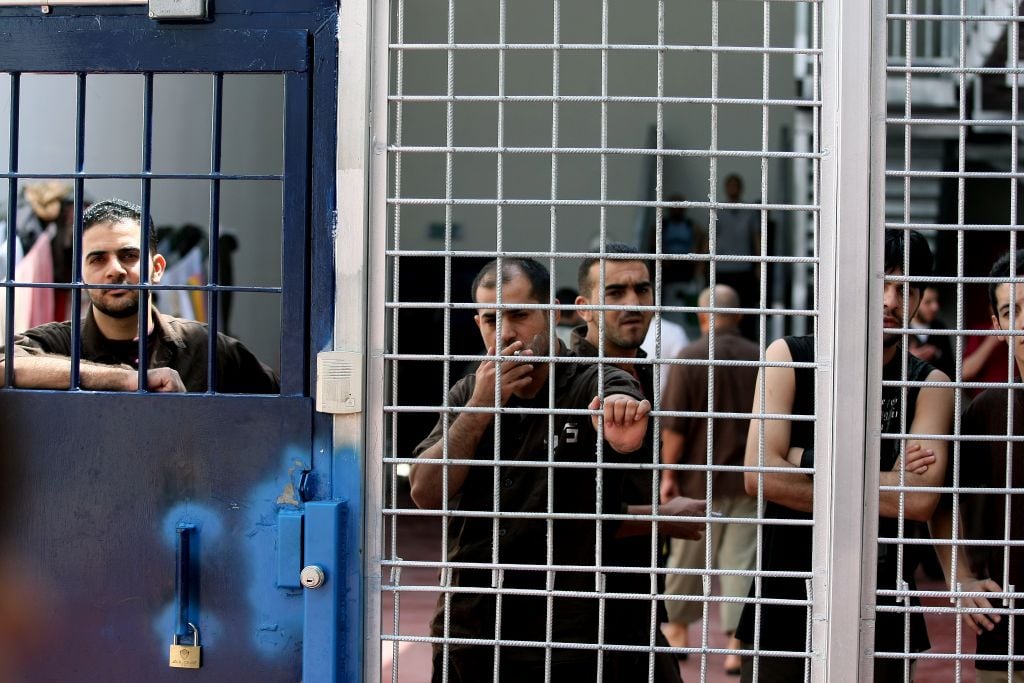
The Israel Prison Service on Wednesday said some 100 Hamas security prisoners have called off a hunger strike launched two weeks ago in a dispute over the blocking of cellphone signals in prison wings, which seeks to prevent the use of smuggled mobile devices.
The prisoners ended the strike of their own accord and without achieving any of their aims, the IPS said, after recognizing that prison officials would not back down and remove the cellphone blocking technology.
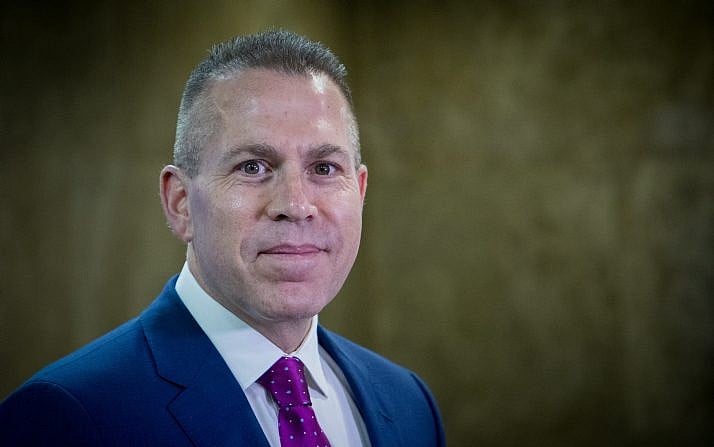
Public Security Minister Gilad Erdan said the outcome showed that his policy of refusing to negotiate with terrorists had again proven effective, and announced the clampdown on smuggled phones will be expanded, the statement said.
“Cellular blockers will be installed in all security prisons and we will continue to work to reduce the conditions under which terrorists are held to the minimum required by law,” Erdan vowed.
However, the Palestinian Prisoners Club, a forum representing Palestinians held in Israeli prisons, issued a statement confirming the hunger strike would end but claiming that some of the inmates’ demands were met, the Kan public broadcaster reported.
The committee said the prions service had agreed to some of the prisoners’ demands regarding the cellphone jamming and had committed to installing, by Sunday, public telephones that will be available for use five days a week, the report said.
The Palestinian representatives also said the prisoners will continue their hunger strike through Friday, to ensure that the terms of the agreement are fulfilled.
Earlier this month, the IPS put 23 Hamas security prisoners in solitary confinement after they threatened to begin the strike.
Israeli officials reportedly agreed in April to install public telephones in 44 prison wards where the security prisoners are kept, and to allow prisoners to make regular, supervised calls to their families, following a similar protest.
The phones were installed in the Ketziot and Ramon prisons but their use was conditioned on prisoners signing a commitment to stop smuggling cellphones into the prisons and to give up any devices they already have in their possession. Any violations of the agreement would lead to the public phones being disconnected.
Whereas prisoners in Ketziot signed the commitment, those in Ramon did not, Haaretz reported in August.
The IPS in April said some 300 contraband phones, some carrying messages between terror cells, had been smuggled into the wards in the preceding months. The phones were being used to coordinate terror attacks, and had been implicated in at least 14 recent attempts at coordinating attacks from inside Israeli prisons.









The Times of Israel Community.