

IDF chief slams ‘ignorant’ criticism of mixed-gender units
Eisenkot says famed general Kahalani’s claim that ‘role of a woman is to be a mother’ is ‘inappropriate, uncharacteristic’ of Israeli army
 Add ToI as a Preferred Source on Google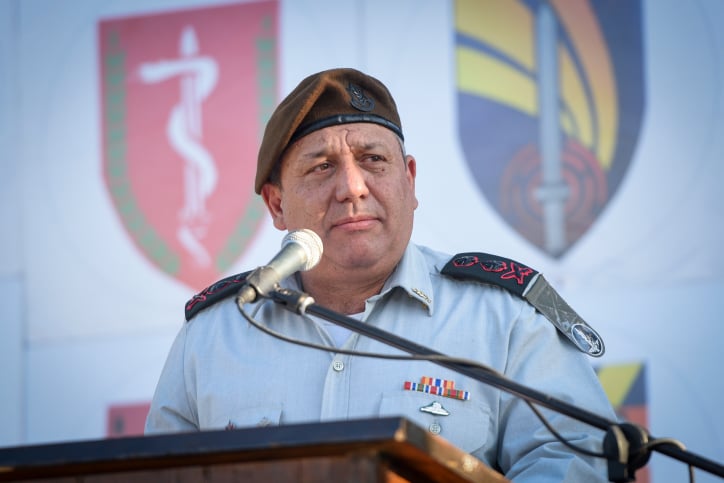
Israel Defense Forces Chief of Staff Gadi Eisenkot weighed in Tuesday on the ongoing controversy over integrating women into combat roles in the military, leveling harsh criticism against famed Brig. Gen. (res.) Avigdor Kahalani who last month said female soldiers were inherently unfit to serve in the Armored Corps’ heavy infantry units.
“In my opinion, these remarks are inappropriate and are uncharacteristic of the IDF,” he said, according to Army Radio.
Eiskenkot said there are more female senior officers currently serving in the IDF than ever before in Israel’s military history.
“Today, 87 percent of positions in the IDF are open to female soldiers,” he said. “All of this outcry is unnecessary, and ignorant, because religious soldiers are able to opt out of serving in mixed-gender units.”
The decades-old debate over gender equality in the IDF was reignited last month when a brigadier general revealed to the Knesset’s Foreign Affairs and Defense Committee that the army was revisiting the prospect of allowing women to serve as fighters in the Armored Corps.
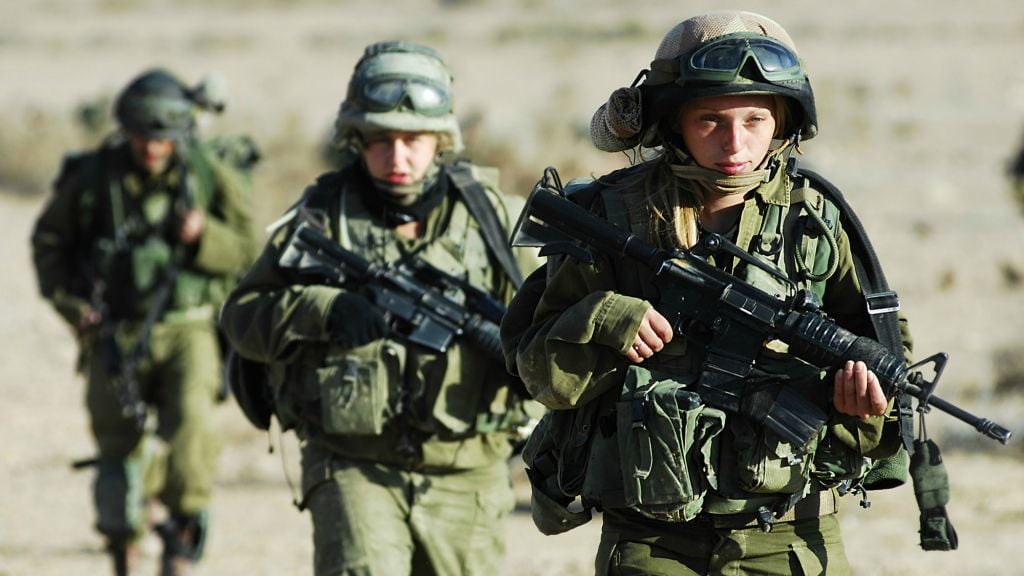
A number of military officials and rabbis have since come out of the woodwork to voice their opinions on the subject.
Kahalani, a famed commander of the IDF’s 7th Armored Brigade, told the Galey Israel Radio Station in November that tank units were not the right place for women.
“The role of a woman is to be a mother, to bring children into the world,” he said.
“After the traumas of war, she would be totally different,” Kahalani added.
That same month, former general Yiftach Ron-Tal claimed that efforts to integrate women into combat units were part of a left-wing scheme to “weaken” the Israeli army.
He later apologized for for the political nature of his remarks following a wave of condemnation by Knesset members and public figures.

Brig. Gen. Guy Hasson also came out strongly against mixed gender heavy infantry units, claiming there were fundamental issues preventing integration of women in certain units, including physical requirements and social concerns, as well as the “image” of the corps.
Meanwhile, a number of leading Israeli rabbis launched a campaign against the initiative, saying they would advise religious male soldiers to avoid orders relating to mixed-gender activities.
Despite the spate of criticism, the IDF stood by its integration efforts, saying in a statement that women serving in roles recently made available to them had “proven to be successful.”
Even before the state of Israel was created in 1948, women played an important role in the Haganah, the forerunner to the country’s military, today the region’s most powerful.
Currently men are required to serve two years and eight months after they turn 18, while women serve two years.
Women’s roles had historically been confined to such positions as nurses or radio operators — an arrangement undergoing rapid change.
Just four years ago, some three percent of enlisted women served in combat units, compared to 7% today, according to the army.
That number is expected to rise even further to 9.5% in 2017.




The Times of Israel Community.