

IDF maps home of Dolev terrorist bombmaker ahead of demolition
Meanwhile, leader of cell behind attack that killed Rina Shnerb, 17, is reportedly due to be released from hospital after being critically injured during Shin Bet interrogation
 Add ToI as a Preferred Source on Google
Judah Ari Gross is The Times of Israel's religions and Diaspora affairs correspondent.
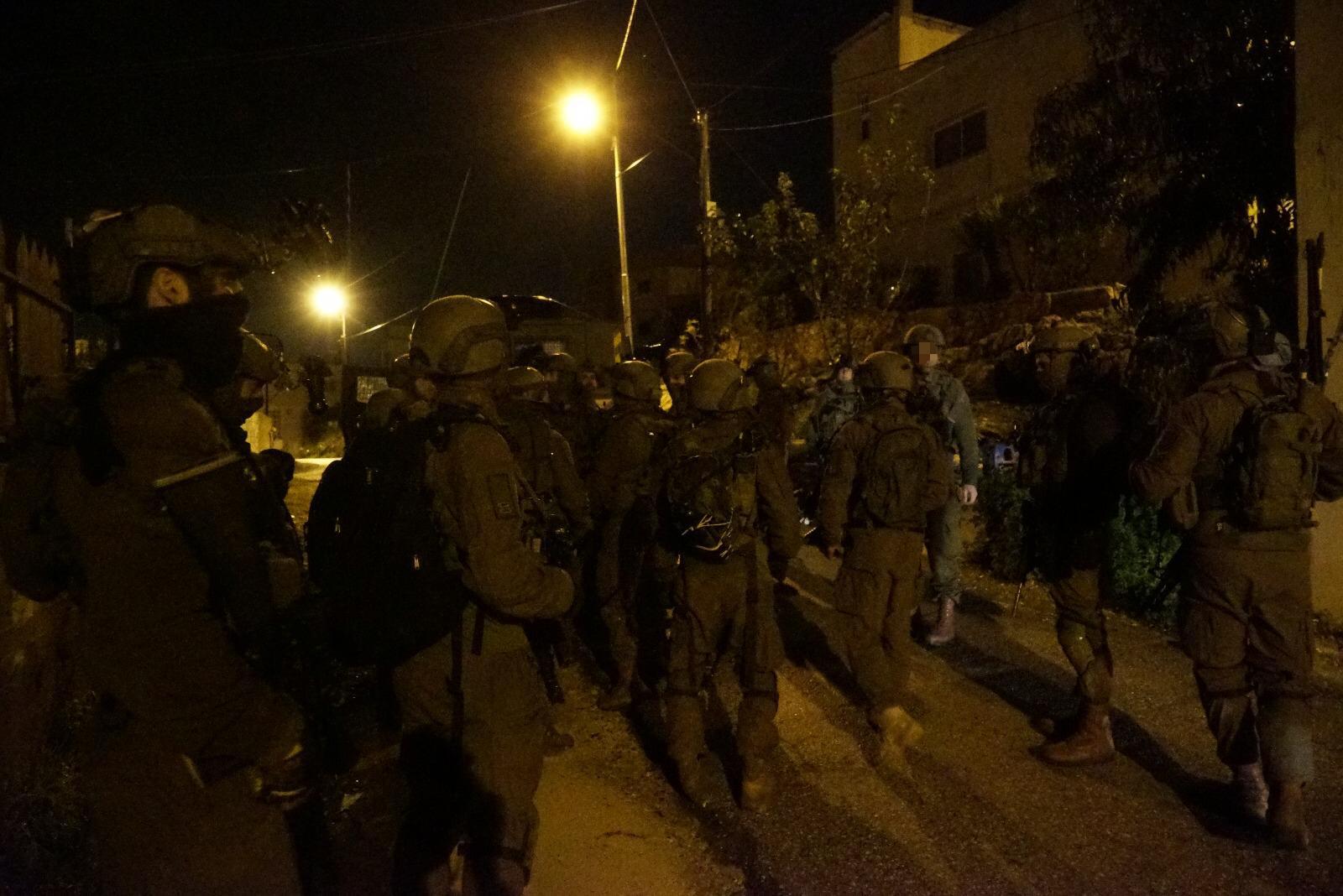
Israeli security forces on Thursday made preparations for the demolition of the home of a Palestinian man suspected of helping carry out a deadly terror bombing this summer that killed a teenage Israeli girl and injured her father and brother, the military said.
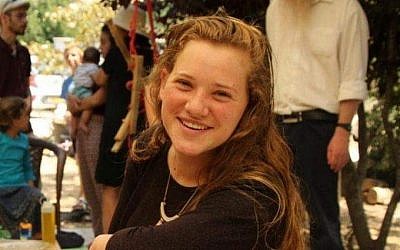
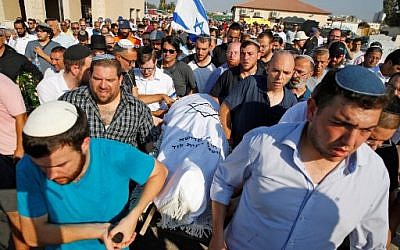
Qassem a-Karim Rajah Shibli was part of a terror cell that is believed to have planted and detonated a bomb at a natural spring outside the Dolev settlement in the central West Bank on August 23. The blast killed Rina Shnerb, 17, and seriously injured her father, Rabbi Eitan Shnerb, and her brother, Dvir.
In the following weeks, the Israel Defense Forces and Shin Bet security service arrested four members of the cell, including its alleged ringleader, Samer Mina Salim Arbid, 44.
Shibli, 25, is suspected of helping make the bomb, according to the Shin Bet.
In the predawn hours of Thursday morning, Israeli troops measured Shibli’s home — the first step before its eventual demolition — in the Palestinian village of Kobar, northwest of Ramallah.
“The IDF will continue to act to prevent terror in Judea and Samaria,” the military said in a statement, using the biblical term for the West Bank.
Israel says the practice of demolishing terrorists’ homes is an effective means of discouraging future attacks, though it has been criticized by human rights groups as a form of collective punishment and by some analysts as an ineffective deterrent measure.
A short time after the arrests of the cell members were announced in September, it was reported that Arbid had been taken to Jerusalem’s Hadassah Hospital Mount Scopus in critical condition following his interrogation by the Shin Bet.
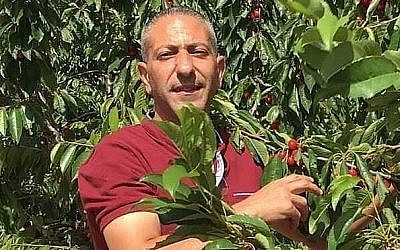
He was due to be released from the hospital shortly, approximately a month and a half after he was admitted, the Walla news site reported Thursday.
The IDF said troops conducted arrest raids throughout the West Bank overnight, detaining 11 Palestinian suspects, who are believed to have taken part in terrorist activities, rock throwing or rioting.
The military said it also seized “thousands of shekels of terror funds” from Shibli’s hometown of Kobar and the Palestinian city of Tulkarem in the northern West Bank.
“This action was done as part of the campaign against terror funding,” the IDF said.
Last month, security forces also prepared to demolish the home of another member of the terror cell behind the Dolev bombing, 25-year-old Yasan Hasin Hasni Majamas in the town of Bir Zeit, outside Ramallah.
The Shin Bet security service said Arbid, Shibli, Majamas and Nizam Sami Yousef Ulad Mahmoud, 21, were members of the Popular Front for the Liberation of Palestine (PFLP) terror group and were planning additional attacks when they were arrested.
Arbid was brought to Jerusalem’s Hadassah Hospital Mount Scopus in late September in critical condition, with severe internal injures, including broken ribs and kidney failure. He regained consciousness on October 15, but remained hospitalized due to this injuries.
Arbid’s attorney, Mahmoud Hassan, petitioned the court for his release last month, arguing that his client had “undergone severe torture” while in Israeli custody. The court denied the request, and ruled that due to the improvement in Arbid’s condition, the Shin Bet could resume interrogating him.
According to security sources, the Shin Bet was given permission to employ “extraordinary measures” during the interrogation that led to his hospitalization. Such measures can include beatings, forcing prisoners into uncomfortable positions, sleep deprivation, shackling and subjecting prisoners to extreme temperatures.
This is typically allowed in “ticking time bomb” cases where there is concern the suspect could provide security forces with information that could prevent an imminent attack.
The Justice Ministry launched an investigation into Arbid’s injuries, specifically probing the degree of force along with the tactics used by the Shin Bet interrogators.
Times of Israel staff contributed to this report.






The Times of Israel Community.