

IDF to give hospitals hundreds of makeshift ventilators to ensure supply
Military says jury-rigged devices can perform the same function as far more expensive ventilators, if needed in the case of a large outbreak
 Add ToI as a Preferred Source on Google
Judah Ari Gross is The Times of Israel's religions and Diaspora affairs correspondent.
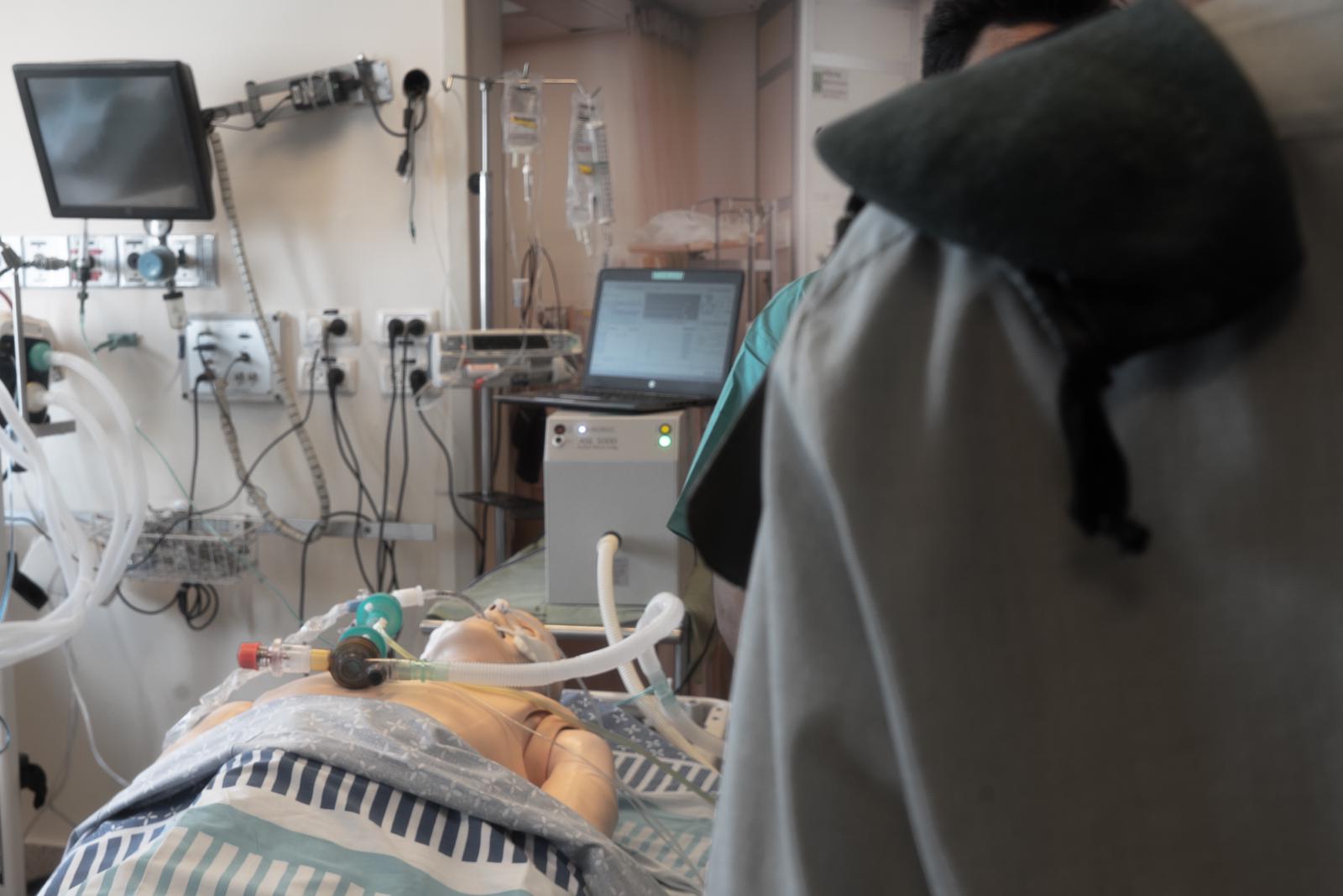
The Israel Defense Forces on Thursday announced it would begin delivering makeshift ventilators to hospitals beginning next week in a bid to address potential shortages of the machines, which are needed to treat coronavirus patients.
The jury-rigged ventilators were created out of CPAP machines — devices that are used to regulate breathing but that lack the monitoring capabilities of ventilators — as part of an initiative by Military Intelligence’s elite Unit 81 dubbed “Air to Breathe.”
The head of the project — who for security reasons can only be identified by his rank and the first Hebrew letter of his name, Maj. Samech — said a hundred machines would be delivered to the Sheba Medical Center outside Tel Aviv on Sunday, followed by hundreds more to hospitals across the country.
The program was started last month amid concerns that Israel’s hospitals would not have enough ventilators in the case of a widespread outbreak. As the coronavirus makes it difficult for people to breathe on their own in serious cases, these machines, which pump air in and out of the lungs, are critical for keeping those patients alive as doctors try to fight off the virus.
An investigation early on in the crisis found that Israel has roughly 4,000 ventilators, which has so far been far more than is needed by the roughly 130 patients who require them, but officials feared that quantity would be insufficient should the disease continue to spread. As a result, the government launched an effort to purchase ventilators from Israeli and foreign companies, as well as encouraged projects like “Air to Breathe” to develop makeshift devices if needed.
Samech said one of the primary benefits of the improvised devices is the cost — which is “far, far cheaper” than that of proper ventilators — while they are still being able to perform the necessary functions to help coronavirus patients.
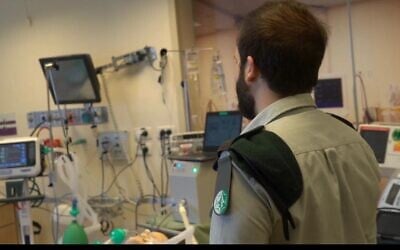
Samech said his unit faced three main difficulties in converting the CPAP machines: ensuring that the air coming out of the machines was sterile, that it was coming out in the correct quantities and that information on the patients was readily available for doctors and nurses.
“They had to step up to the challenge,” he said.
To address those issues, Unit 81 created an external monitor that controls the air flow and ensures proper respiration, sending the data in a format that is easily received by the existing systems used by the health care system.
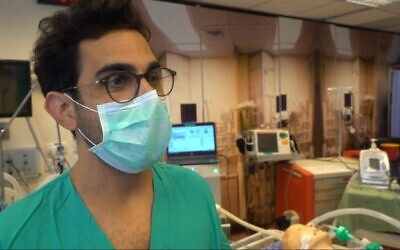
“These machines of ours are the primary alternative in case of a flood of patients in hospitals who need to be put on ventilators, beyond the number of machines available today,” said Dr. Amit Zabtani of Sheba Medical Center, who assisted in the project.
“Air to Breathe” was launched last month as one of a series of technological challenges that the military had dedicated itself to solving.
Last week, the IDF also announced that the elite Shayetet 13 naval commando unit had found a way to convert their scuba tanks into medical oxygen tanks. Though these tanks were not meant for coronavirus patients, an army spokesperson said they were meant to relieve the pressure on the health care system in general in light of the pandemic.
The military said Unit 81 had also developed a method of sealing off the front of an ambulance so that a driver would not be at risk of infection while transporting a coronavirus patient.










The Times of Israel Community.