

In first, High Court approves home demolition for terror attack when victim survived
Justice Mintz rules severity of attack means implementation of demolition policy still appropriate
 Add ToI as a Preferred Source on Google
Jeremy Sharon is The Times of Israel’s legal affairs and settlements reporter
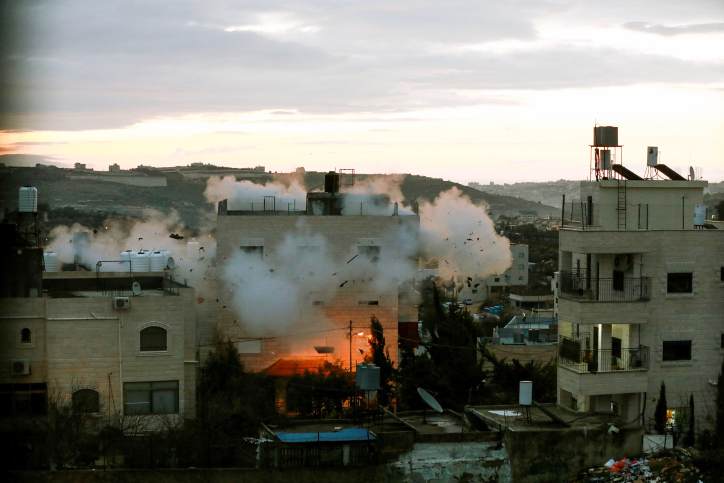
In a 2-1 decision, the High Court of Justice on Wednesday upheld a decision by the military and the defense minister to destroy the home of the parents of a Palestinian terrorist who shot and severely wounded a police officer in October last year.
The ruling set a precedent in which, for the first time, the court permitted a house demolition following a terror attack in which the victim was not killed.
Punitive house demolitions of the homes of terrorists and their relatives are a controversial policy, with the state arguing it is an important tool in deterring potential future terrorists, while civil rights campaigners contend the practice constitutes collective punishment and a severe violation of basic rights, while also challenging the efficacy of the policy.
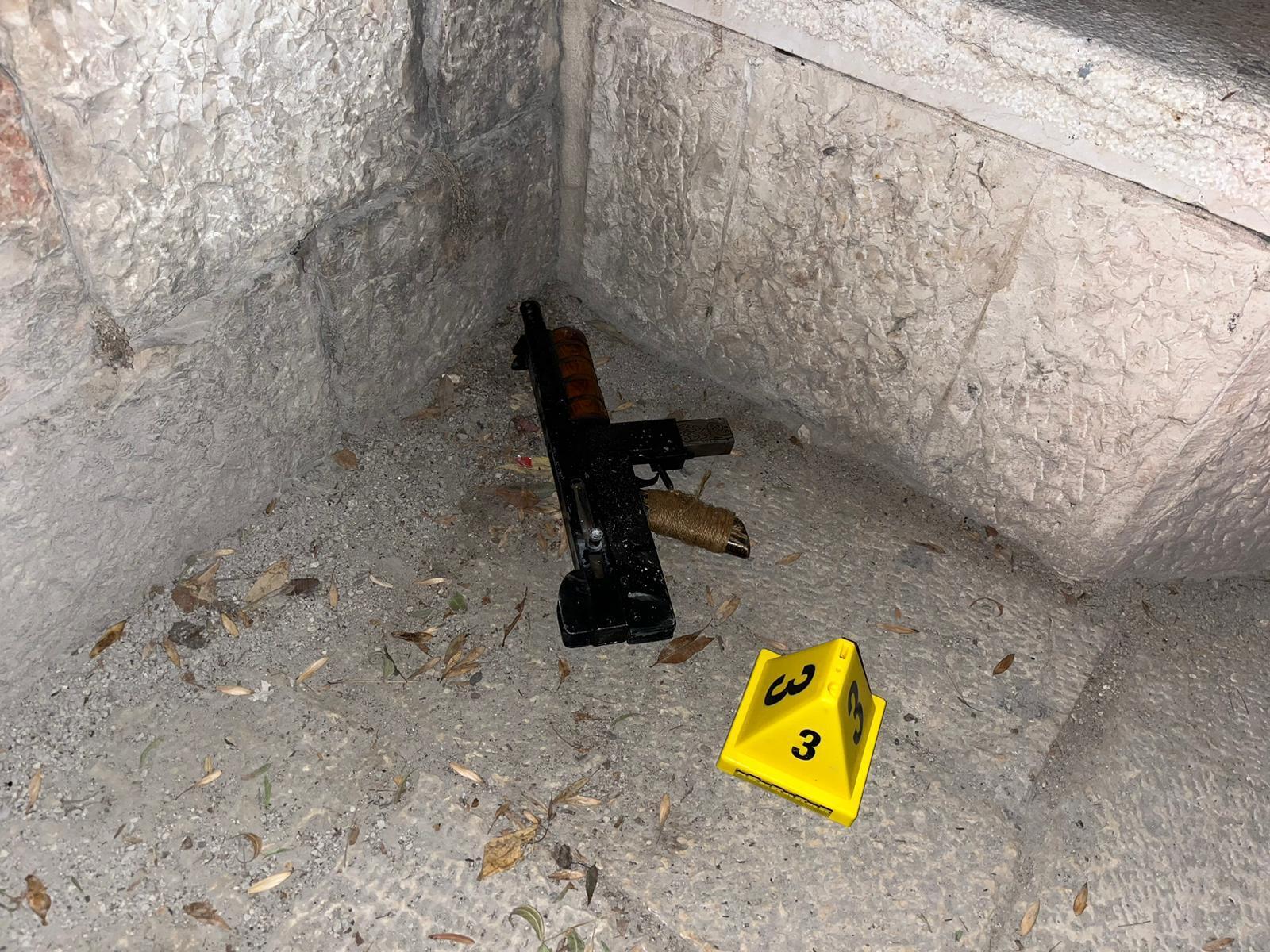
On October 12, Khaled Abed al-Fatah Muhammad al-Muhtaseb, a 21-year-old resident of the north Jerusalem neighborhood of Bet Hanina, shot and wounded two police officers just outside the Herod’s Gate entrance to Jerusalem’s Old City, leaving one of them in critical condition with gunshot wounds to the chest and stomach. The assailant was shot dead after trying to escape.
In February this year, the IDF ordered the apartment home of al-Muhtaseb’s parents in Beit Hanina, where he lived, destroyed.
Al-Muhtaseb’s family filed a petition to the High Court against the decision, with their attorneys arguing that house demolitions constitute collective punishment that violate human dignity, and that the policy until now has been to only implement the house demolition policy for attacks in which a person was killed.
The attorneys also argued that al-Muhtaseb’s family was entirely uninvolved in the attack, had not known about it, encouraged it, helped plan it or praised it afterward, and that the home in question belonged to the parents and not the terrorist.
Writing for the majority, Justice David Mintz, a strict conservative, said that due to the severity of the attack and the grievous injuries sustained by one of the police officers, he saw no reason for the court to overrule the decision to destroy the family home.
“Given the seriousness of our case and given that we’re talking about a terror attack in which as a result of the incident… a policeman was critically wounded in his chest and in his stomach and only by a miracle did not lose his life, I do not believe there is a reason for our intervention in the decision… which was taken on the recommendation of security officials and after relevant considerations were taken into account,” wrote Mintz.
He added that the fact that al-Muhtaseb’s family was not involved should also not lead the court to overrule the decision.
“The considerations of deterrence sometimes require… that [attackers] must understand their actions are likely to harm the property of their relatives, even when there is no proof that their family members were aware of the actions,” Mintz wrote.
Justice Isaac Amit, firmly in the court’s liberal camp, dissented from the majority opinion of Mintz and Justice Yosef Elron, writing that the use of house demolition policy must be used “judiciously and carefully.”

Amit noted that until now the IDF had only implemented the policy when an attack had caused the death of a victim. He pointed to the only incident before the current case in which the military requested a house demolition when a terror victim was not killed — that of the attack against Temple Mount activist Yehudah Glick, who was shot and severely injured by a Palestinian terrorist in 2014.
The court asked then that the military reconsider its order to destroy the terrorist’s home since Glick survived, and ultimately the home was sealed off and not destroyed.
“In light of the similarities to the Glick case… it is fitting that the issue be returned and re-examined by the authorized officials,” wrote Amit.
The hardline conservative B’Tzalmo legal lobby group welcomed the ruling, saying that “the High Court finally understands the importance of the fight against terrorism also in incidents in which terrorists ‘only’ do severe injury, harming a person and their family for the rest of their lives.”
HaMoked, which provides legal aid to Palestinians and has represented Palestinians whose homes were slated for demolition, denounced the ruling.
“Punitive demolitions are blatant collective punishment, demolishing the home of innocent people simply because they are related to an attacker,” said the organization.
“In today’s ruling, the High Court has further expanded this shameful practice, in contrast to its previous rulings. There are serious questions about whether this practice is effective as a deterrent — evidence also points to the opposite, that home demolitions actually increase hostility and encourage violence — but what is clear is that this is an immoral and illegal practice.”







The Times of Israel Community.