

In rare move, Knesset panel moves to overturn Smotrich’s $150 VAT exemption order
Likud elements led by Finance Committee chair MK Hanoch Milwidsky argue that doubling VAT exemption on personal imports from $75 penalizes local businesses
 Add ToI as a Preferred Source on Google
Ariela Karmel is a political correspondent at The Times of Israel. She previously reported for Calcalist and Haaretz. She holds an MA in Middle Eastern and African History from Tel Aviv University and a BA in Political Science from the University of British Columbia.

In a rare step, the Knesset moved ahead this week with efforts to override Finance Minister Bezalel Smotrich’s order expanding the value-added tax exemption on personal imports.
Smotrich’s order, which allows citizens to purchase up to $150 of personal goods from overseas, including from popular sites like Amazon and Temu, without incurring an additional 18% VAT charge, was hailed by the general public but drew sharp condemnation from local business owners who fear being unable to compete.
The previous cut-off was $75.
In recent weeks, since the executive order went into effect on December 24, business lobby groups have succeeded in garnering support from elements in the coalition, in particular Prime Minister Benjamin Netanyahu’s ruling Likud party, leading to calls for the Knesset Finance Committee to hold a discussion on the matter.
The committee voted Tuesday to move the discussion to the full Knesset, where lawmakers will vote on whether to revoke it. It’s highly unusual for the Knesset to overrule ministerial orders.

Smotrich, who leads the far-right Religious Zionism party, criticized the committee’s decision to send the order to the Knesset for a vote, writing on X Tuesday that Economy Minister Nir Barkat has “since the start of this term been working for the monopolies.”
Barkat has said that the order makes no sense and would effectively “subsidize foreign imports” at the expense of local industry.
The finance minister further accused Likud MK Eli Dalal, who requested the committee discussion, and Finance Committee chair Likud MK Hanoch Milwidsky, of being in the pockets of local monopolies.
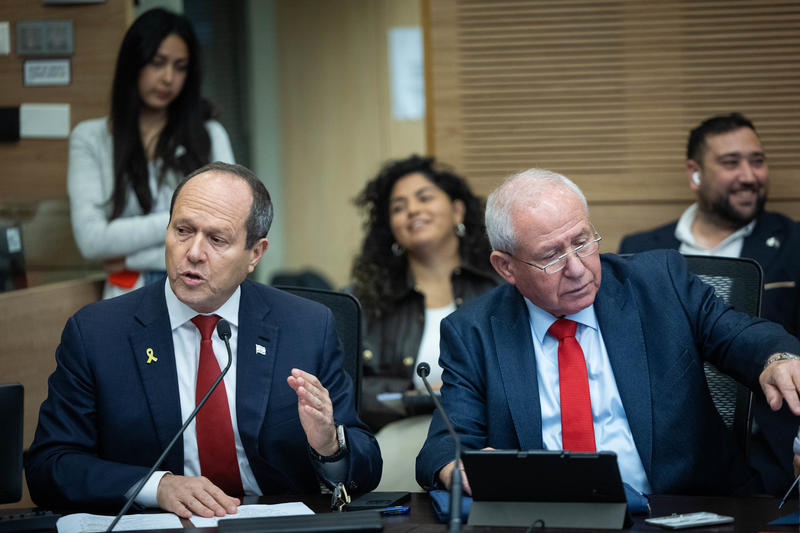
“Barkat, Milwidsky and Dalal oppose the economic liberalism of Likud and Prime Minister Netanyahu,” Smotrich wrote. “I won’t give in. I’m fighting the high cost of living so that all of us will have more money in our pockets at the end of the month. It can be cheaper here.”
In response, Milwidsky said, “It could be cheaper here, but under your tenure as finance minister, everything has become far, far more expensive.”
Accusing Smotrich of inaction against monopolistic interests for three years, the Finance Committee chair wrote that the finance minister was “pushing a populist move that all your ministry officials oppose” as a “last-resort” tactic ahead of elections set for October.
Likud officials say the party is divided on the issue.
Smotrich has argued that the order is necessary for cheaper imports which, in turn, encourage competition and lower prices.
But others within Likud argue that the policy will harm local businesses, since the VAT exemption applies only to foreign imports, placing local vendors, who must charge VAT, at a competitive disadvantage.
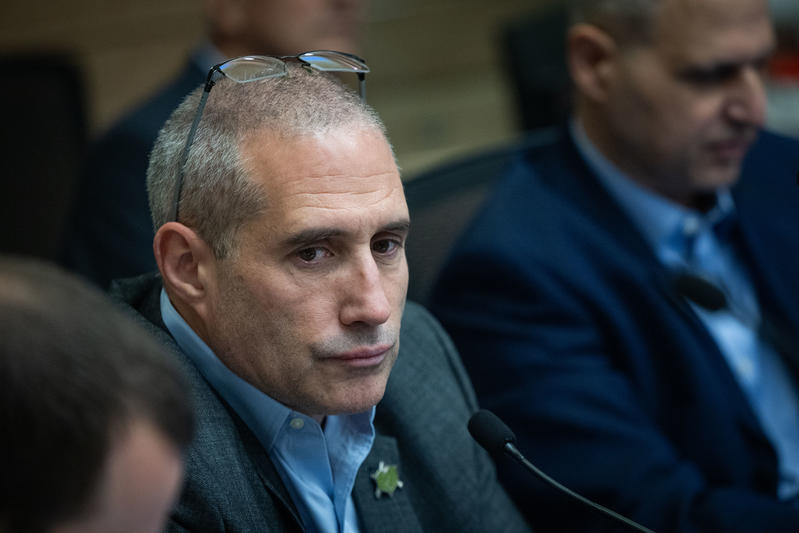
Milwidsky has gone head-to-head with the finance minister repeatedly, including over Smotrich’s tax credit initiative for IDF reservists, causing Smotrich to briefly boycott government legislation until Milwidsky advanced his bill.
This is the latest obstacle to Smotrich’s agenda, as his other flagship policy to scrap the regulated, centralized dairy quota system and open the market to competition has also faced fierce pushback this week.
Hundreds of farmers across the country protested on Monday, arguing that the planned reform will devastate local businesses and force the closure of about 400 dairy farms in kibbutzim and peripheral areas.










The Times of Israel Community.