

Israel to give 1 million coronavirus vaccines to African countries
Government will reportedly have say over which countries get unwanted AstraZeneca shots through COVAX program as it seeks to bolster diplomatic ties in Africa
 Add ToI as a Preferred Source on Google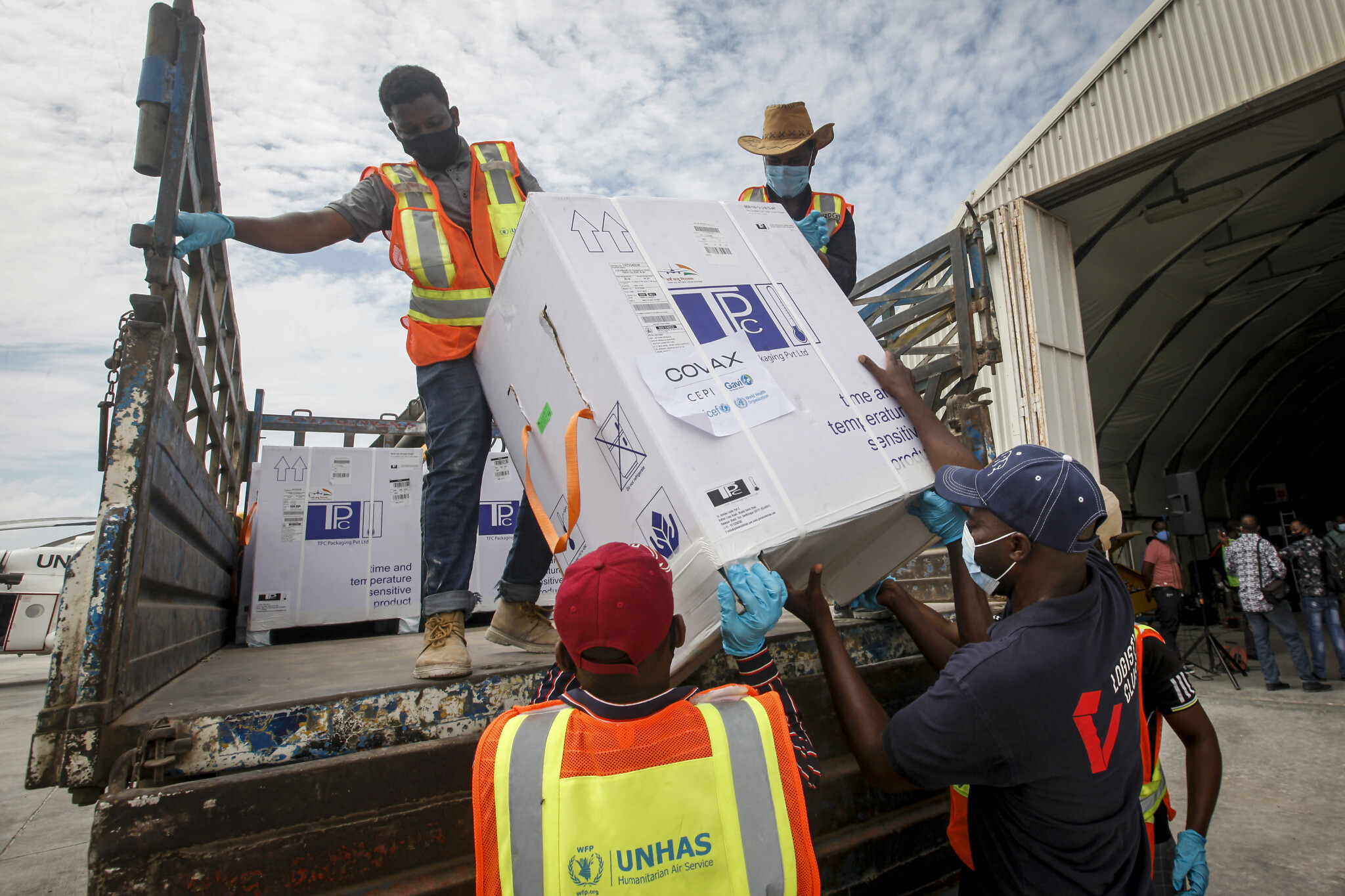
The government said Wednesday it was donating 1 million coronavirus vaccines to the UN-backed COVAX program, which distributes shots to poorer countries.
The Foreign Ministry said the AstraZeneca vaccines would be transferred to several countries in Africa in the coming weeks, a decision that was part of Israel’s strengthening ties with the continent.
“I am delighted that Israel can contribute and be a partner in eradicating the pandemic around the world,” said Foreign Minister Yair Lapid.
The announcement said the vaccines would reach close to a quarter of African countries, though it did not provide a list. Israel has close ties with a number of African nations, including Kenya, Uganda, and Rwanda. Israel also re-established relations with Morocco and agreed to normalize ties with Sudan last year as part of a series of US-brokered accords.
Israel’s agreement with COVAX allows it to determine where the vaccines end up, Haaretz reported.
Israel has in the past given surplus vaccines to friendly countries for diplomatic gains but the process was halted in February as legal officials examined whether it was in then-prime minister Benjamin Netanyahu’s authority to order the transfers. Some doses had already been delivered to other countries.
In the coming weeks, Israel will send one million AstraZeneca vaccines to African countries through COVAX, the international mechanism for the equitable distribution of vaccines. I’m happy that Israel can contribute and be a partner in eradicating this pandemic from the world.
— יאיר לפיד – Yair Lapid (@yairlapid) December 15, 2021
COVAX is a global initiative that aims to provide coronavirus vaccines to nations that are too poor to acquire them in sufficient numbers. Wealthier countries have bought most of the world’s vaccine supplies, causing vast inequality in access to jabs.
The World Health Organization says vaccine inequality has contributed to the ability of the coronavirus to mutate, which continues to threaten countries both rich and poor, and has called on countries to donate shots rather than distribute boosters or vaccinate younger people who are less at risk.
Early on in the pandemic, Israel reportedly paid hundreds of millions of dollars to several firms for access to vaccines being developed at the time, including Pfizer, Moderna and AstraZeneca.
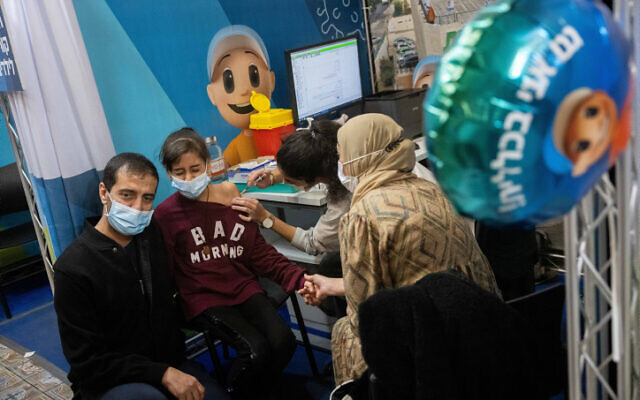
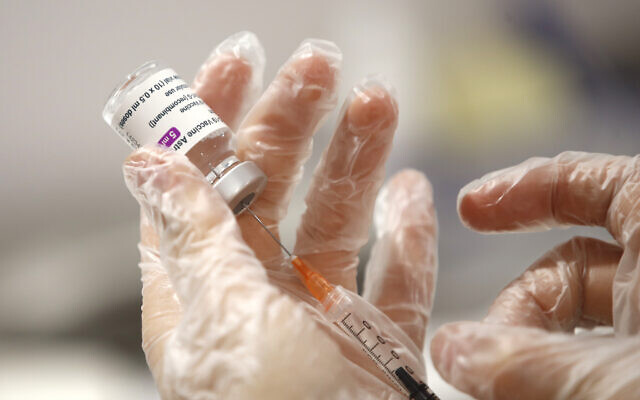
It has ended up using the Pfizer-BioNTech vaccine almost exclusively, and in April of this year unsuccessfully attempted to cancel its deal with AstraZeneca, amid concerns over the shot’s efficacy and slower-than-expected distribution pace.
Top coronavirus official Nachman Ash said at the time that Israel would likely seek to divert the shots elsewhere, but in October the country began making AstraZeneca vaccines available to those unable to take shots based on mRNA technology.
Israel was one of the first countries to vaccinate its population. Early this year, it came under criticism for not sharing enough of its supplies with the Palestinians.
Israel has since vaccinated tens of thousands of Palestinians who work in Israel and its settlements, and the Palestinians have procured vaccines from COVAX and other sources.









The Times of Israel Community.