

Israeli crowdfunding NGO’s unique model gives donors a say in saving global biodiversity
Over past 10 years, This is My Earth has bought 13 square kilometers of land in biodiversity hotspots under threat, saying every dollar donated yields 200-fold returns
 Add ToI as a Preferred Source on Google
Sue Surkes is The Times of Israel's environment reporter
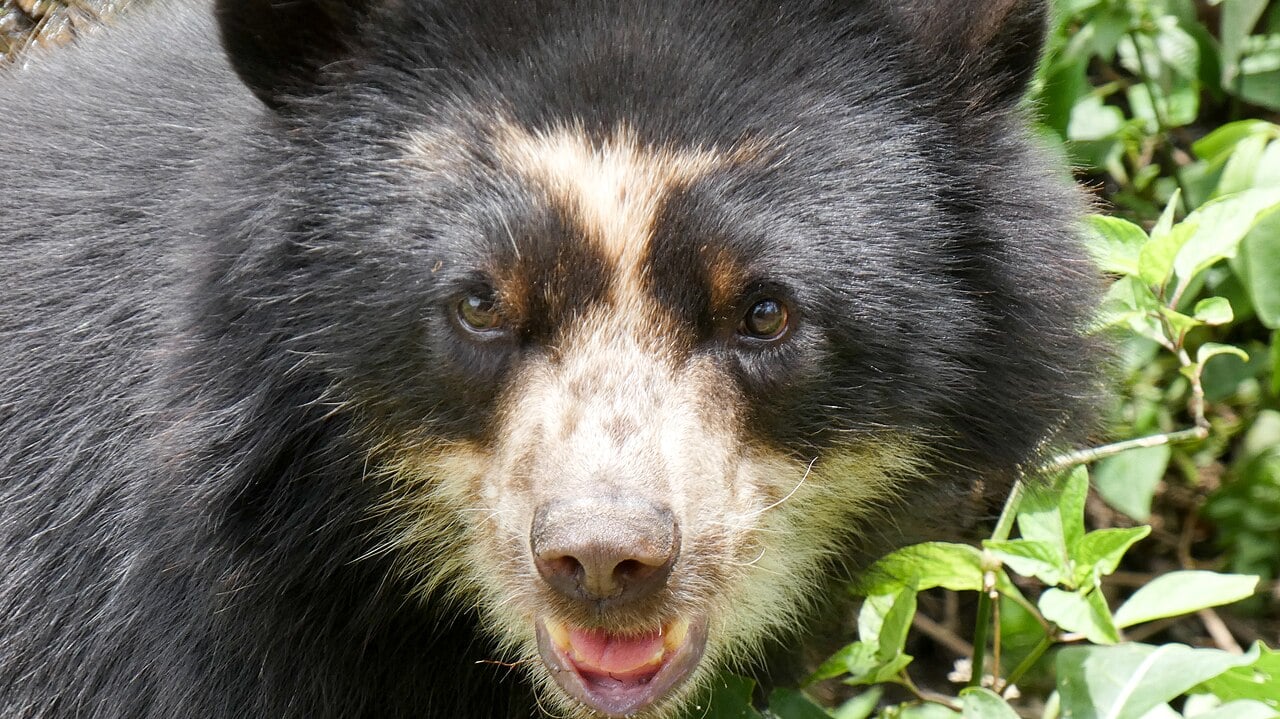
An Israeli NGO that crowdfunds money to purchase land that is rich in threatened biodiversity has, over the past decade, protected 100 threatened species in six countries.
This is My Earth’s (TiME) projects over the past nine years have raised over $580,000 to save more than 13 square kilometers (five square miles) of key tracts of land around the globe. This land has helped expand or connect protected areas, provided corridors for animal migration, and conserved large territories for predators such as eagles and big cats to roam.
The land acquisition reduces deforestation and deters illegal loggers, hunters, and squatters. A marine project established a few years ago on an atoll near Belize City in Central America has helped discourage unsustainable fishing practices and the extraction of resources, as well as development and dredging.
Each year, a handful of projects are voted on. It costs a minimum of $1 per year to join the organization and to get the right to vote on which threatened habitat should be saved. The organization currently has more than 7,000 members and is running its 10th campaign.
‘It’s not logical to teach without doing anything about it’
TiME is the brainchild of Uri Shanas, who earned a PhD in zoology from Tel Aviv University, completed a postdoctoral fellowship at Columbia University, and then joined the Department of Biology and Environment at the University of Haifa–Oranim.
He started teaching about nature preservation some 25 years ago and was shocked at the pace of extinction.
“At some stage, I started to think, hang on, it’s not logical that I should teach without doing anything about it,” recalled Shanas.
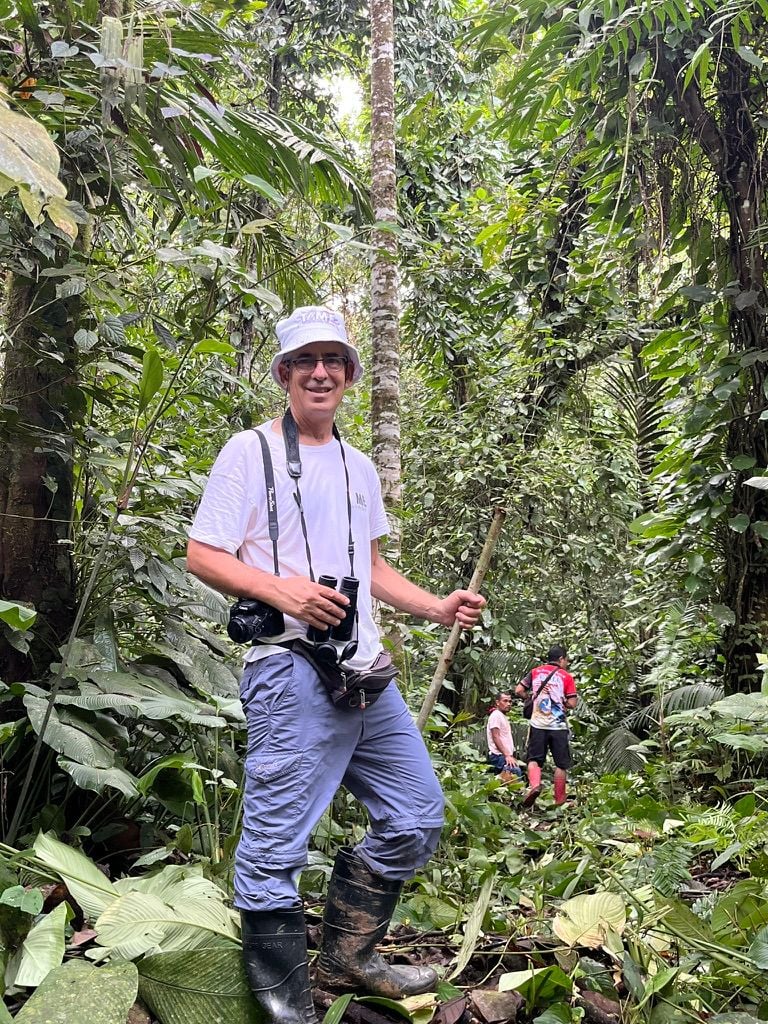
In 2015, he established TiME, which, to the best of his knowledge, is the world’s first international, democratic, volunteer-based, crowdfunded, nonprofit organization geared to buying land where biodiversity is rich but threats are imminent.
According to the World Wildlife Fund, the average size of wildlife populations monitored by the Zoological Society of London dropped by 73 percent in just 50 years, between 1970 and 2020.
Biodiversity — a diversity of living things — enables planet Earth to maintain clean air and water, yield food, and regulate the climate. Air and water are under massive threat from pollution, some pollinators are in decline, and the climate is changing, bringing more extreme events, such as wildfires, heatwaves, and flooding.
Climate change is being driven by human activity such as deforestation, agriculture (including livestock farming), and other changes in land use (which release carbon stored in habitats such as forests into the atmosphere), and the burning of fossil fuels such as oil, coal, and gas for electricity, transportation, and industry.
The decline in animal populations is spurred by climate change as well as the loss and degradation of wildlife habitats, overharvesting of resources, invasive species, and disease.

“What’s beautiful, and pretty amazing, is that every dollar donated to TiME saves an average of 24 square meters [258 square feet] of forest. That’s an excellent conversion rate, and it’s thanks to our model. Anyone who cares about nature won’t find a better investment.”
The people’s choice
Three projects are put up on TiME’s website each year to be voted on by midnight on December 31. Each vote carries the same weight, no matter how much each member has contributed. The money raised is then split among the projects according to the proportion of votes. Still, if not enough money has been raised to buy land for the less popular projects, it either waits until the minimum sum has been reached or goes into the pot for a project chosen by the majority.
Voters this year are deciding among several projects in the Philippines and Colombia.
On Mount Sagyaan in the Philippines, which is threatened by miners, loggers, owners of monoculture (single crop) plantations, and real estate developers, 50 hectares (just under 125 acres) of intact montane (mountain) rainforest can be purchased. The aim is to help save the home of the Higa-onon indigenous people, maintain their nature-based culture, and protect local endangered wildlife. If the land is not purchased for conservation, outsiders are likely to convince tribal clans to sell land.
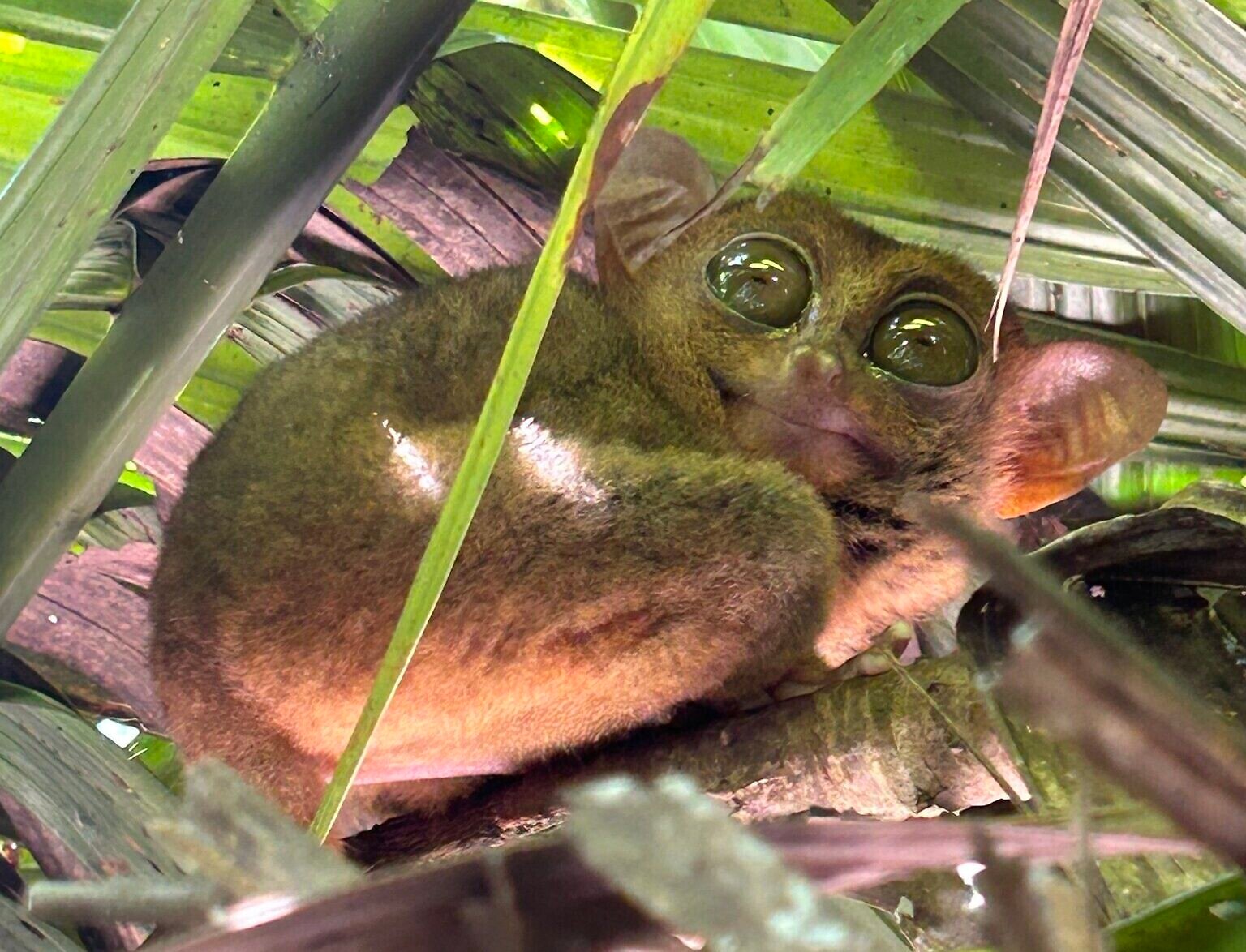
At the Los Magnolios nature reserve in Colombia, 246 hectares (610 acres) can be purchased to expand the reserve and establish a corridor for threatened and endemic species such as the critically endangered Handley’s Slender Opossum and vulnerable Silvery-brown Tamarin. Logging for timber extraction, coal production, and the expansion of pasture lands for cattle farming are the leading causes of the acute fragmentation and gradual disappearance of this habitat. If this land is not purchased, the forests will be degraded and further fragmented over the next 10 years, making future populations of some of the threatened endemic species unviable.
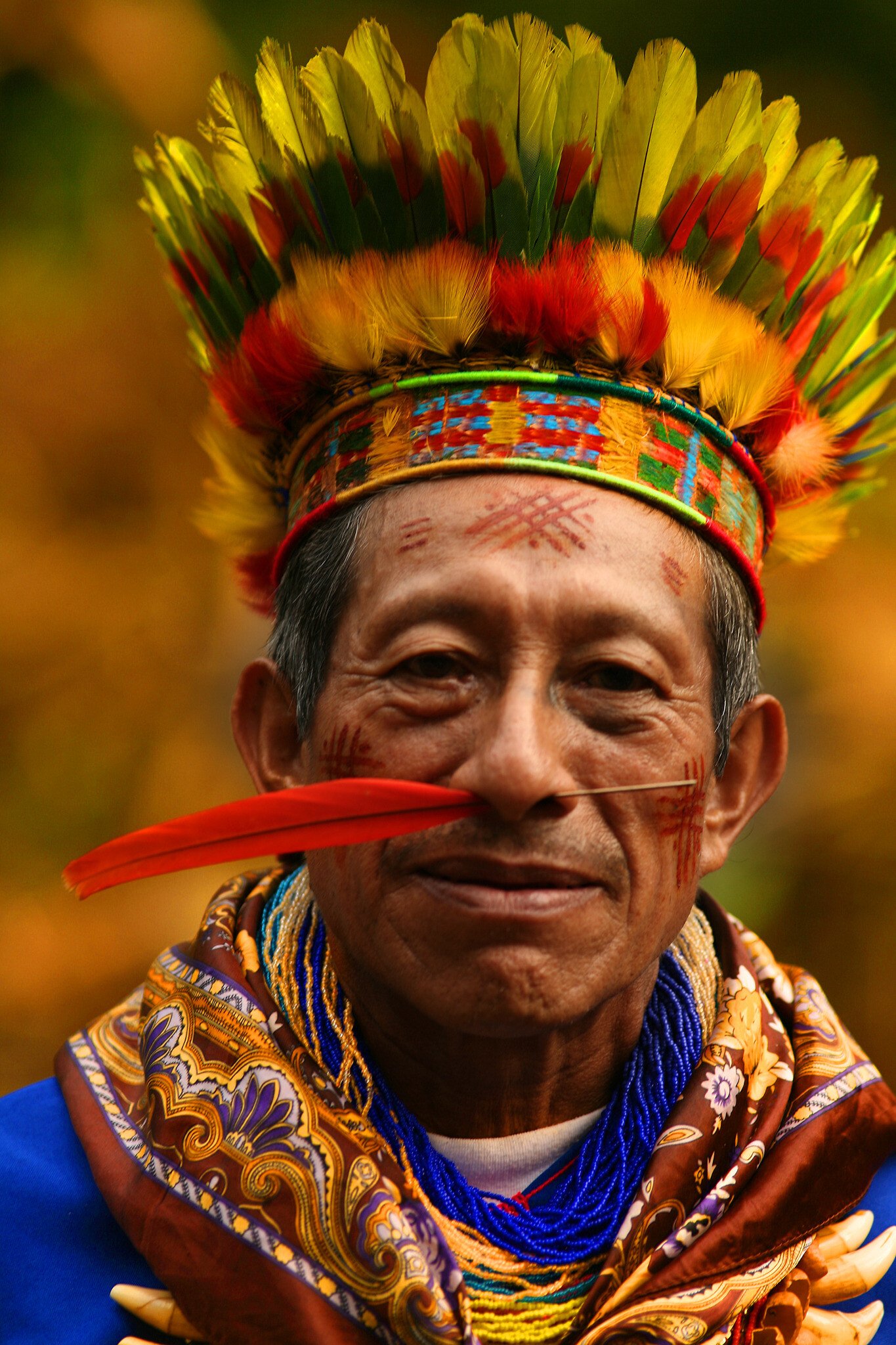
There are 20 to 80 hectares (50 to 200 acres) of deep jungle at the border of the Tropical Andean biodiversity hotspot in Colombia. It forms part of the corridor for the Tropical Andean Jaguar and is one of the last rangelands of the vulnerable Andean Bear. It is home to an estimated 8,803 endemic species and has at least 20 species that are designated as endangered or vulnerable. The Putumayo Amazon has faced a 16% annual deforestation rate in some areas, due to legal and illegal activities, including petroleum extraction, mining, logging, and narcotics trafficking. Indigenous leaders in the region have requested that help be given to the dispossessed Embera Chami indigenous group to buy land and create a reserve. If this land is not purchased, it will be auctioned for petroleum, mining, or logging contracts.
More bang for your buck
TiME undertook a project with the University of Haifa in 2024 to calculate the economic value of its activities to ensure that its limited resources go where they can be most beneficial, and to reach out to new audiences who may be unaware of conservation’s value to humans.
The results, including inflation, were that overall, every US dollar invested by TiME in a habitat returns a value of $212.80, of which $120.60 goes to the local community.
Individuals and organizations from overseas who wish to acquire land for environmental preservation have to fill out detailed forms and go through intense vetting by a scientific advisory board of international experts.
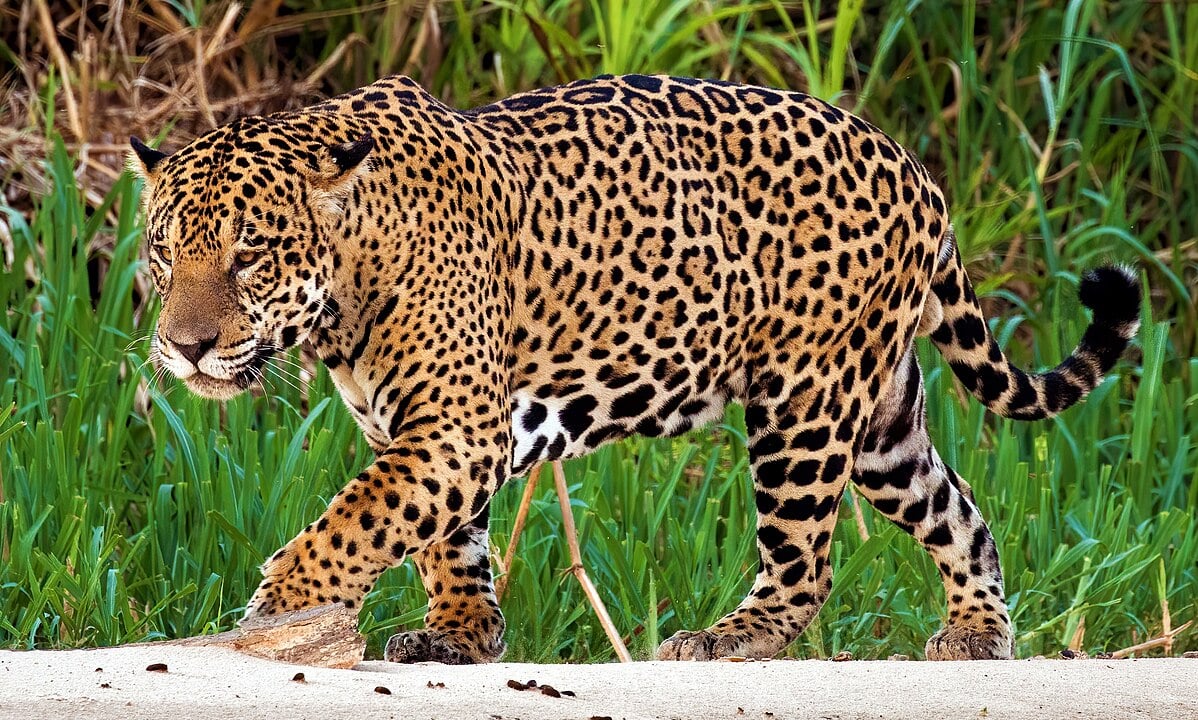
A key feature of the organization is that the land is purchased in the names of local people or organizations based on the idea that long-term success depends on the involvement of those living in and around the forests.
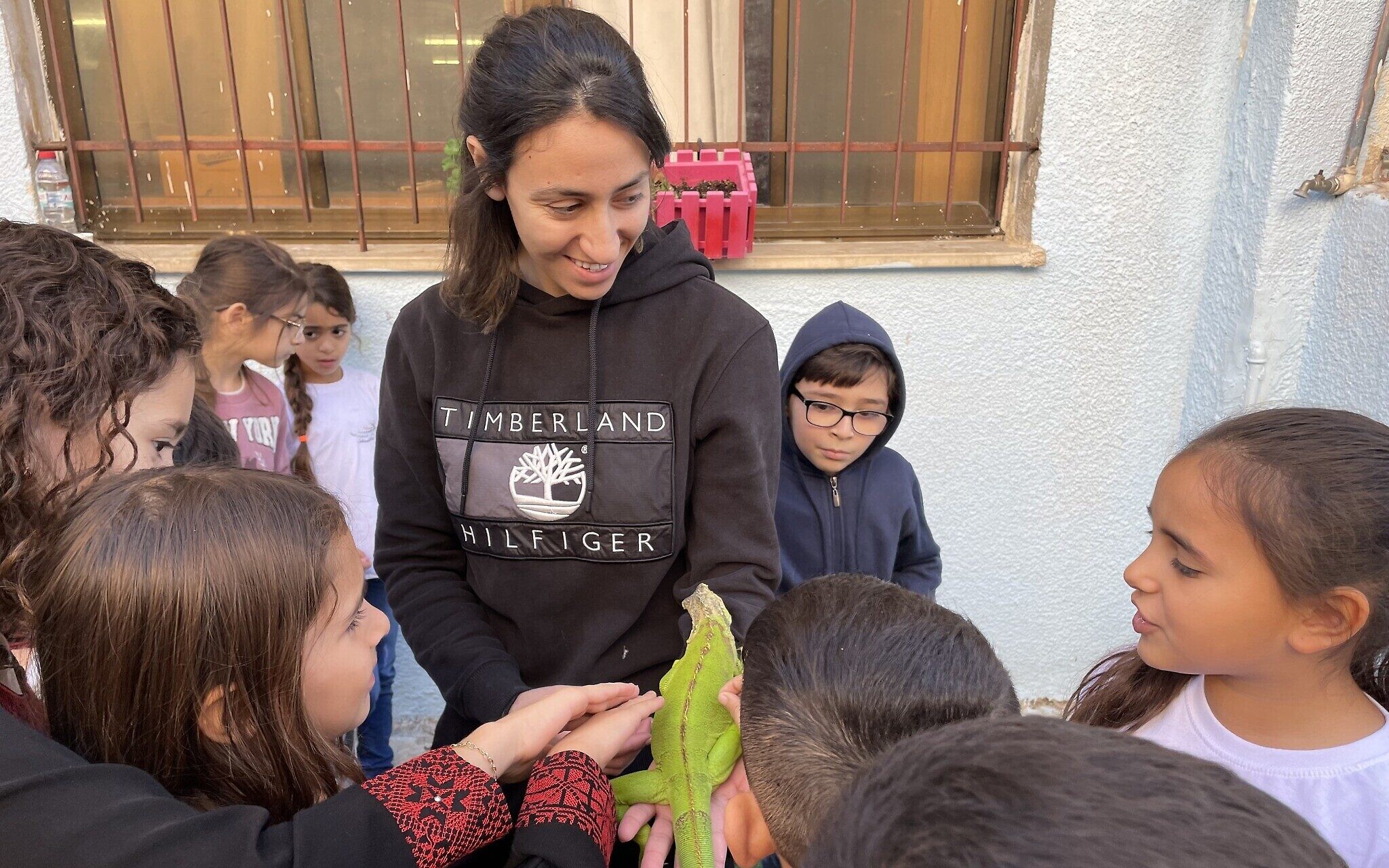
In addition to buying land, TiME offers course syllabi for school and university students on climate change and nature preservation.
All donations go to the projects. There is no travel budget at TiMe, Shanas said, adding that he financed his recent trips to projects in the Philippines and Borneo. Other expenses, such as the website, are funded by board members and external funds raised for the purpose. Additional funds are raised through lectures and payments by local authorities for educational activities.
“We do not travel to see the areas in principle and do not encourage travel, but rely on volunteers and local organizations that we trust after we have checked them out thoroughly,” Shanas said. “Once a year, I try to get to one of the projects — with my own funding.”









The Times of Israel Community.