

Jesus’s baptismal site, long sealed off, to be cleared of landmines
Churches at Qasr al-Yahud have languished behind barbed wire for five decades; now a UK anti-mine group plans to rid area of 4,000 explosives, giving pilgrims access
 Add ToI as a Preferred Source on Google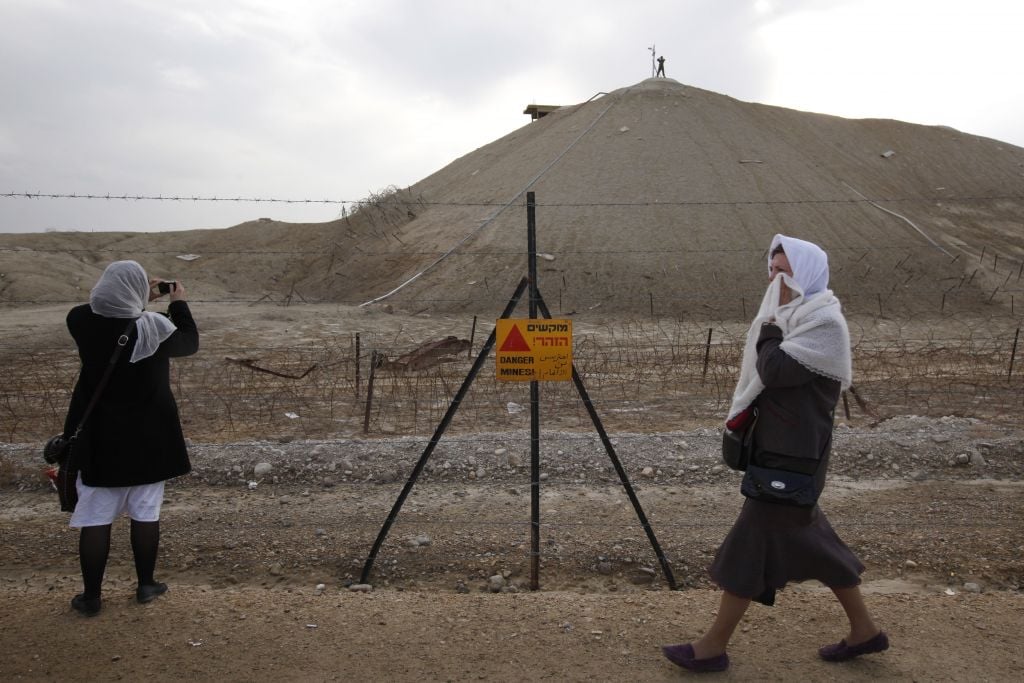
Qasr al-Yehud, the site where many Christian traditions believe Jesus was baptized by John the Baptist, will soon be cleared of some 4,000 landmines and other ordnance left over from the 1967 war and its aftermath.
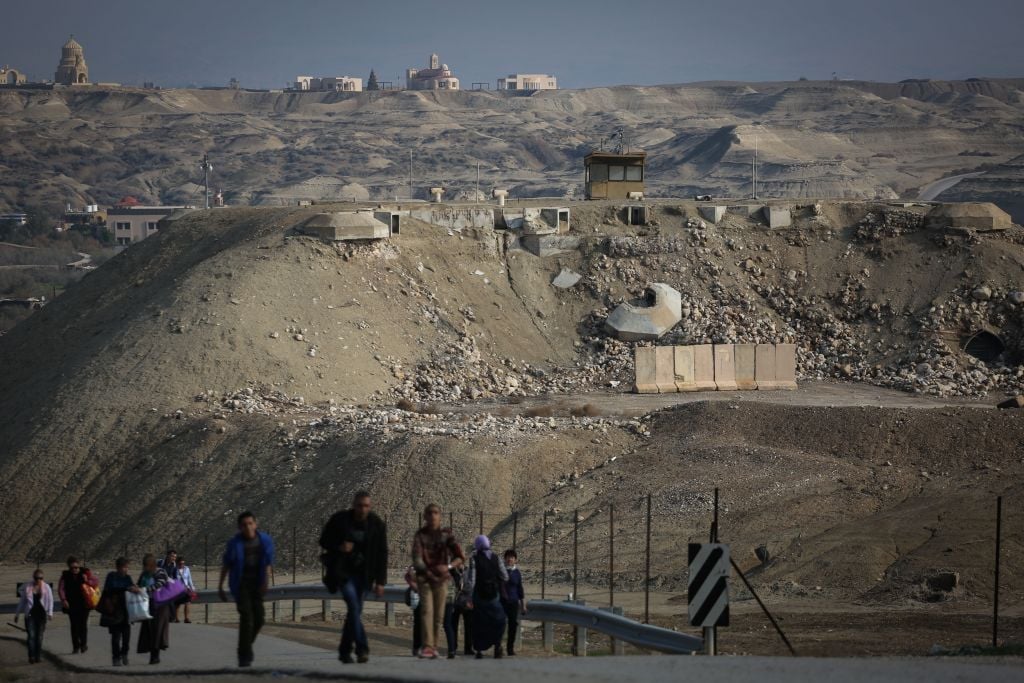
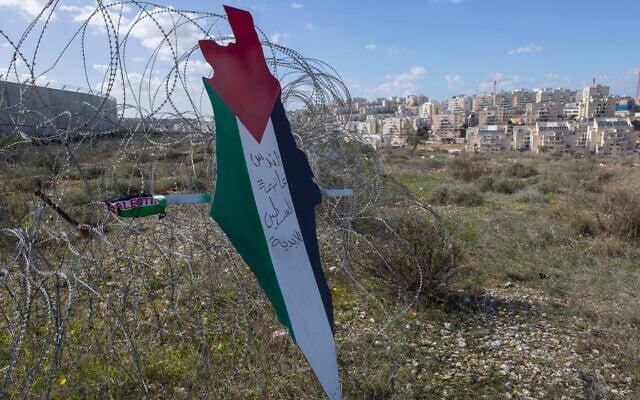
The move, announced Monday, aims to allow pilgrims to visit areas inaccessible for nearly 50 years, blocked off by barbed wire fences intended to keep visitors from walking too close to the minefields.
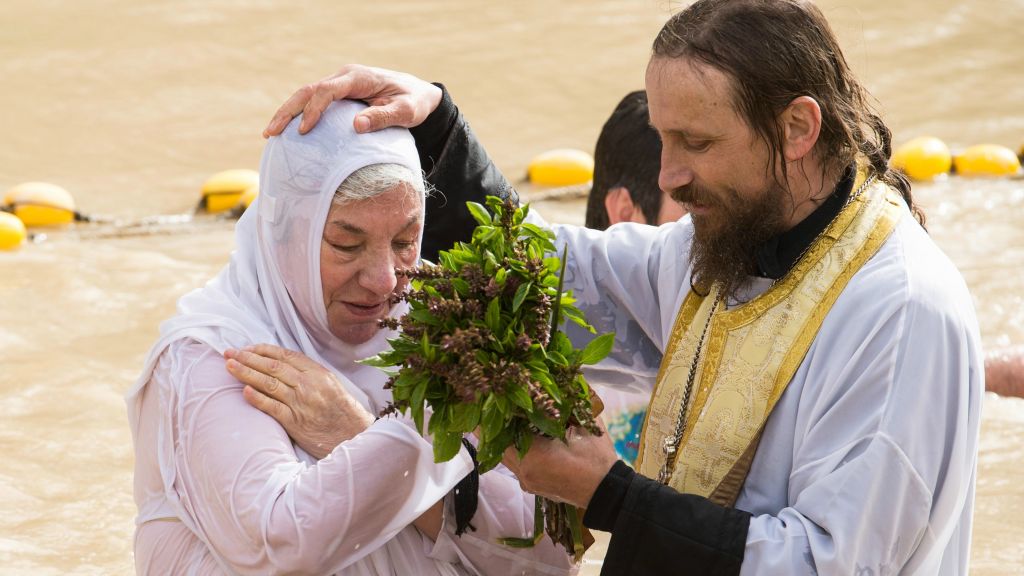
Part of the site, located southeast of Jericho in the West Bank north of the Dead Sea, was cleared in 2011, allowing limited access for pilgrims and tourists, thousands of whom now visit the location each year, especially during the Epiphany holiday in January.
The mine-clearing project will be carried out by HALO Trust, a UK-based demining group that operates in 19 places around the world and has worked in the past to clear mines elsewhere in the West Bank.
The initiative has won the approval of both Israeli and Palestinian officials — a rare instance of agreement in the usually fractious relationship between Israel and the Palestinian Authority over Israeli-administered tourist and holy sites in the West Bank — and is eagerly backed by Christian denominations who see the location, an Israel-designated national park, as a holy site.
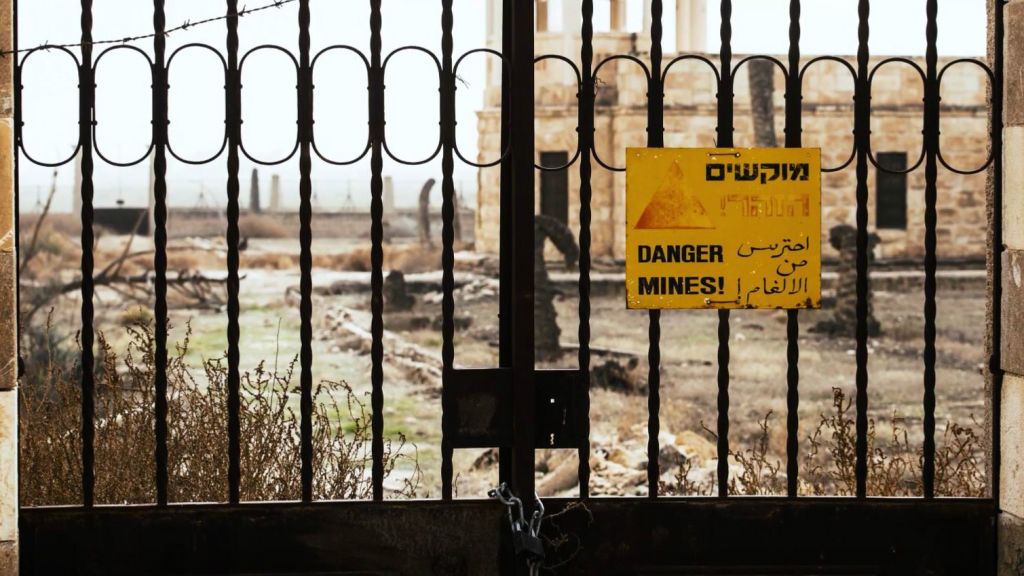
Surveys by the group, together with the Israel National Mine Action Authority, part of Israel’s Defense Ministry, have estimated that some 2,600 anti-tank and a further 1,200 anti-personnel mines are buried at the site, alongside booby traps and improvised explosive devices.
“Clearance will cover an area of 1,022,770 square meters,” or 0.4 square miles, the HALO group said.
The area is relatively small, but the difficulty of removing the mines means the project is expected to take some two years. The organization is looking to fundraise the estimated $4 million it will cost to complete the demining. To that end, it has produced two videos showing the churches at the site in which religious leaders urge support for the project.
“The HALO Trust has been demining in the West Bank for two years,” HALO CEO James Cowan said in a statement Monday, “during which time we have built bridges across religious, cultural and political divides. It is my belief that clearing this iconic site of landmines will benefit all humanity for centuries to come.”
Israel mined the area along the Jordan River following the Six Day War in a bid to prevent Jordanian tanks and infantry, as well as Palestinian fedayeen guerrilla fighters and terrorists, from infiltrating into Israeli-held territory and attacking Israeli settlements.
The mines were placed along many parts of the Israeli-Jordanian border, as well as on the Golan Heights.
According to The Wall Street Journal, there are “more than 35 square miles of land in Israel and the West Bank designated to be cleared of mines.”
The project is gaining attention due to the special holiness attributed to the site by a large number of Christian denominations, including the Catholic Church and many Orthodox churches.
“It is a source of much pain that a traditional site of the Baptism of Christ is now a site scarred by the debris of war,” Archbishop of Canterbury Justin Welby, the spiritual leader of an estimated 85 million Anglicans worldwide, said in the HALO statement.
“In making the land safe again, the HALO Trust is bringing a symbol of hope to a region that struggles with deeply-held divisions. At the heart of the Gospel of Jesus Christ is a message of reconciliation, so it is an inspiration to see HALO’s work helping communities to overcome these divisions,” Welby said.
[mappress mapid=”5685″]
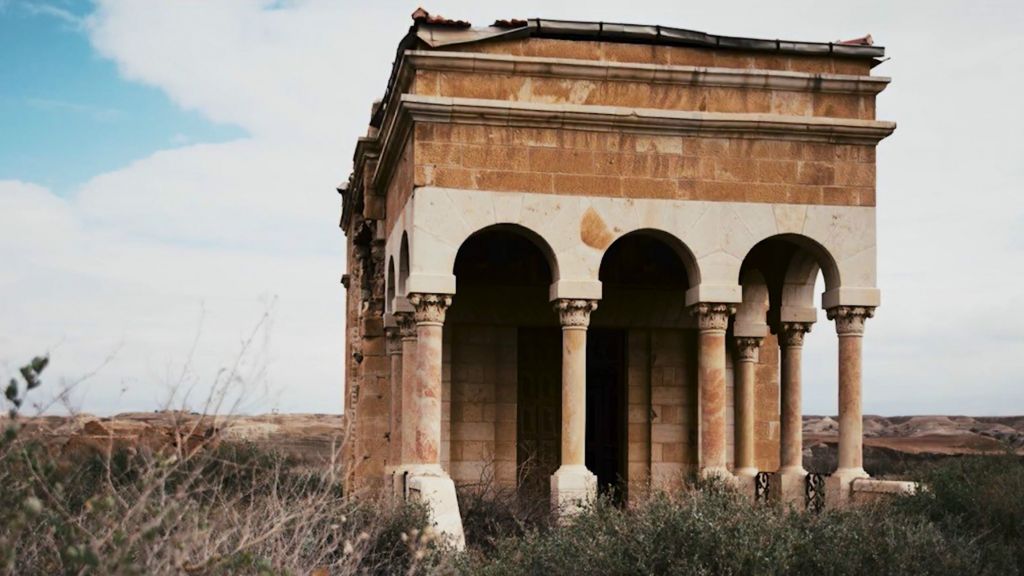
According to The Wall Street Journal, the area to be cleared includes seven churches built near the baptismal site, most of them during the British Mandate period of the 1930s. The seven denominations that built the churches — the Coptic, Russian, Ethiopian Tewahedo, Greek, Romanian and Syrian Orthodox churches, as well as the Catholic Franciscan order — will finally be allowed past the barbed wire fences marked with “Danger! Mines!” signs that have prevented them from using the churches since 1968.
An eighth plot, belonging to the Armenian Orthodox Church but which does not have a church built on the site, will also be cleared.
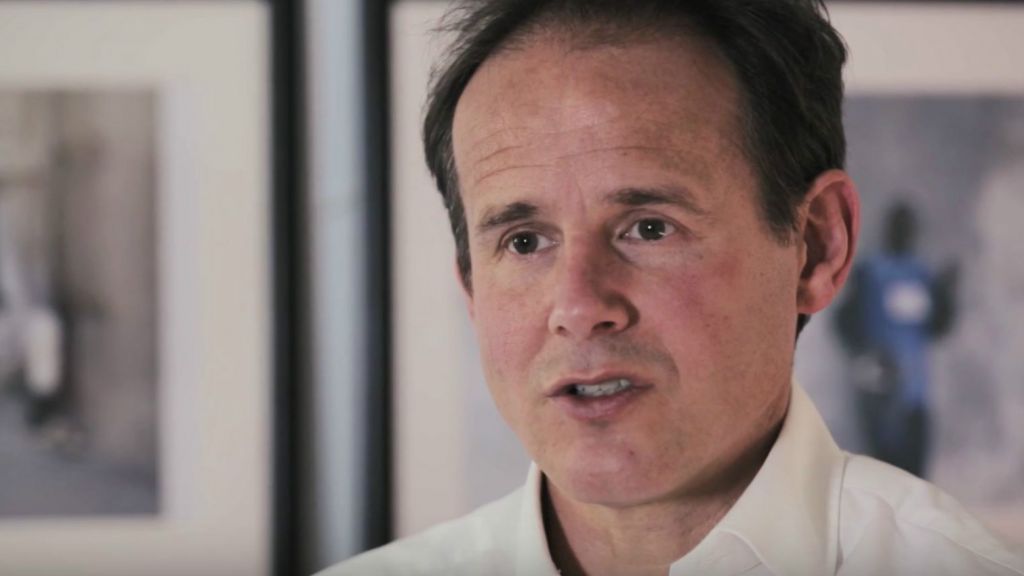
“The Franciscan church has a long tradition of worship at Qasr al-Yahud, particularly at Epiphany. Whilst we continue to do so today, our access has been limited due to the deadly legacy of landmines,” said Father Pierbattista Pizzaballa, the Franciscan order’s Custos of the Holy Land, head of the branch of the Catholic monastic order charged with safeguarding Christian holy sites in Israel and the West Bank.
“At a time when many religious sites are being destroyed in the Middle East, the clearance of these churches by the HALO Trust offers a powerful symbol of hope,” the Syrian church’s archbishop in Jerusalem, Mor Severios Malke Mourad, said of the project. It will “enable us to conduct mass and prayer in safety,” he added
The church buildings themselves are dilapidated from decades of neglect and perforated with bullet holes from the battles that raged in the area during the 1967 war. The Christian groups cooperating with HALO hope to be able to rehabilitate these structures and allow them to once again serve growing numbers of pilgrims to the holy site.
The site is also important in Jewish tradition, where many view it as the location where the Israelite tribes under Joshua first crossed into the land of Israel after their 40-year desert journey from Egypt. The Arabic name Qasr al-Yahud, “the Jews’ Fortress,” is a corruption of the earlier name, “the Jews’ break,” where they broke through the river into the promised land. It is also believed by some to be the site where the 9th century BCE Biblical prophet Elijah ascended to heaven.





The Times of Israel Community.