

Lebanese see Hezbollah and Israel favoring restraint over all-out war
Analysts believe neither side wants all-out conflict, but that may be contingent on the state of affairs between Tehran and Washington
 Add ToI as a Preferred Source on Google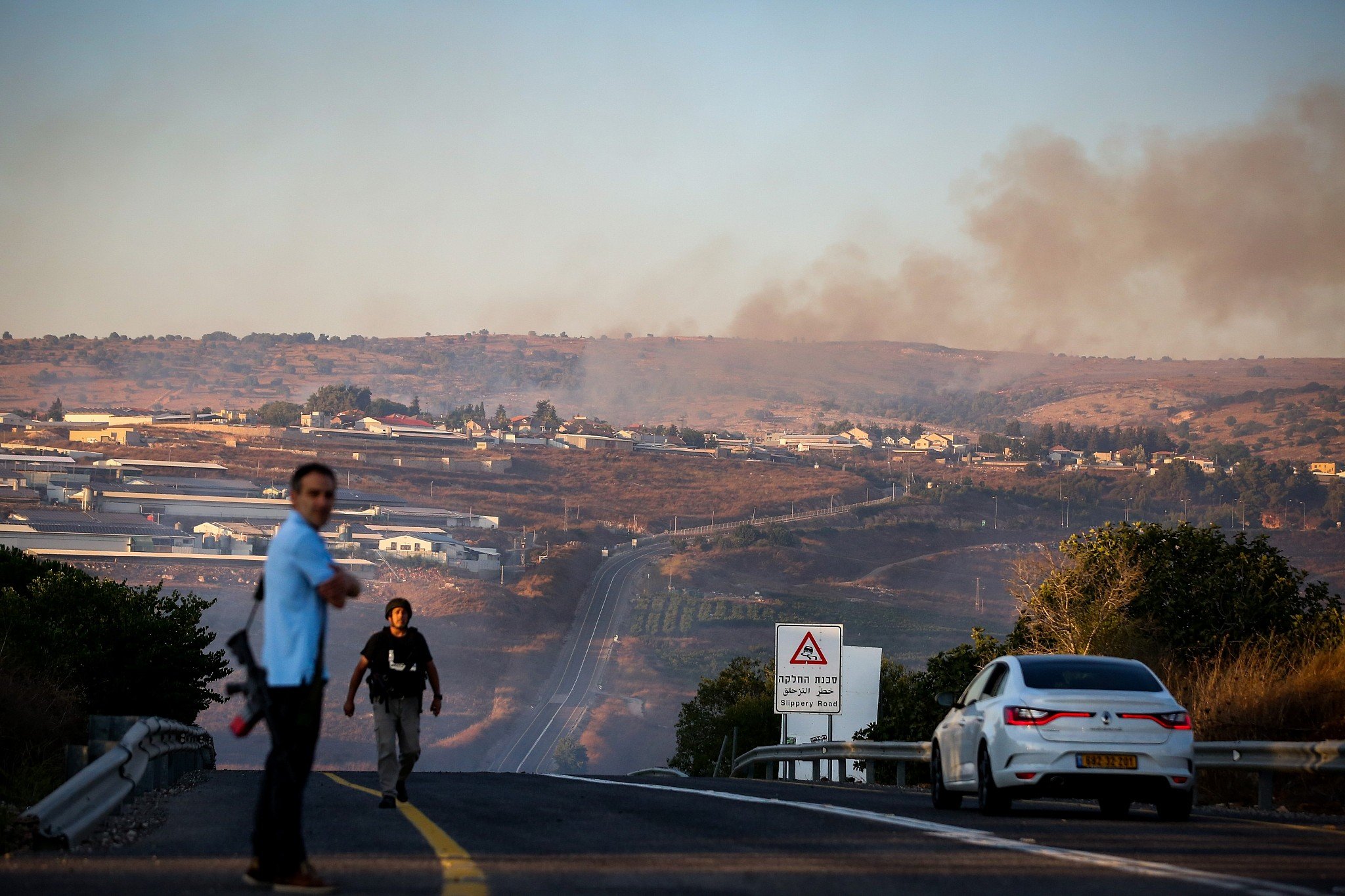
Lebanon’s Hezbollah movement and Israel traded cross-border fire on Sunday, in a flareup of violence that came after a week of heightened tensions.
Are both sides heading toward a repeat of a deadly 2006 war or was the latest carefully weighted exchange a sign they will step back from all-out conflict?
Analysts lean toward the latter, but warn that Israel and Hezbollah don’t hold all the cards.
Hezbollah on Sunday said it destroyed a military vehicle in northern Israel. Israel’s army said it responded with around 100 artillery shells.
Israeli officials refuted Hezbollah claims that it had killed and wounded those inside the military vehicle, saying there were no casualties.
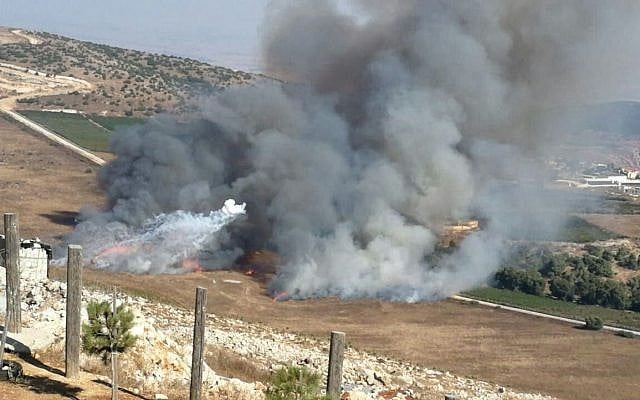
The episode came amid soaring tensions after Israel targeted Hezbollah with an airstrike in Syria on August 24, which the Iran-backed terror group said killed two of its members.
Hezbollah also accused Israel of conducting a separate drone attack hours later in its southern Beirut stronghold, an incident it described as the most serious attack on Lebanon since the 2006 conflict. The raid set back the terror group’s plans to develop long-range precision missiles by at least a year, according to Hebrew media reports this week.
Hezbollah said the unit behind Sunday’s attack on northern Israel was named after its two members killed in the Syria strike.
“This is a clear message that this is a response to the attack in Syria… and not a response to the (Beirut) drone attack,” said Lebanese Hezbollah expert Amal Saad.
“It was definitely a very calculated, contained and I would call it a responsible response,” she told AFP.
The response, she said, “takes care of not escalating the situation and safeguards Lebanon” from an all-out conflict.
Hezbollah’s number two, Naim Qassem, in an interview with Russia Today last week played down talk of a fresh war.
“The atmosphere is an atmosphere of response to an aggression,” he said.
Incident closed?
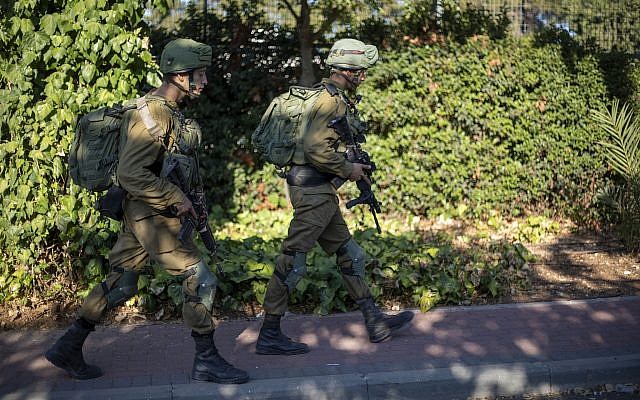
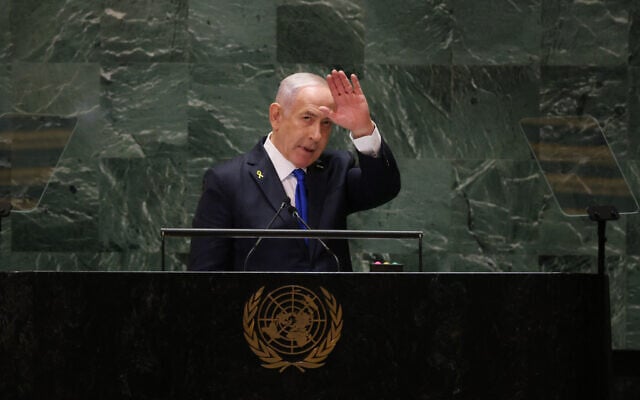
Prime Minister Benjamin Netanyahu said after Sunday’s attack that his government was mulling the next steps: “I have ordered that we be prepared for any scenario.”
Experts expect tensions to ease off, at least temporarily.
Saad said Hezbollah may be planning a separate response to the Beirut drone attack “further down the line,” saying it may be “low key.”
“I don’t think it would be the kind of attack that would ignite a war by any means,” she said.
An official close to Hezbollah told AFP that the second part of the retaliation “will be aerial and confront Israeli drones.”
Analyst Karim Bitar said he would expect the tit-for-tat to end here if was up to Hezbollah and Israel.
“There is no real interest among the two parties for a rapid escalation,” he said.
But a deescalation is contingent on the state of affairs between Hezbollah and Israel’s respective main allies, Tehran and Washington.
“The Trump administration’s policy of maximum pressure on Tehran not only aims to weaken the Iranian economy, but also aims to crush Iran’s wings by weakening its regional partners in Iraq, Syria and Lebanon,” Bitar said.
Another element of concern is Israel’s September 17 election, Bitar said.
“The history of the last 20 years shows that election periods are sometimes conducive to flareups,” he said.
Balance of deterrence?
In 2006, after the killing and abduction of Israeli soldiers by Hezbollah, Israel launched a devastating offensive in Lebanon.
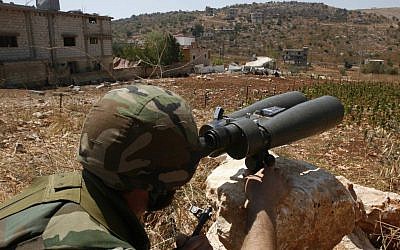
Israel has since carried out hundreds of strikes against Hezbollah targets in Syria, where the Iran-backed party has deployed thousands of fighters since 2013 to help the regime battle rebels and jihadists.
Israel killed senior Hezbollah figures in separate attacks in 2015. In both cases, the Shiite goup responded with border attacks, including one that killed two IDF soldiers.
Analysts and Hezbollah’s number two Qassem, speaking to the movement’s TV channel, said Sunday’s attack was aimed at maintaining “a balance of deterrence.”
“Hezbollah firmly believes that any response is a move that is actually preventing war,” Amal Saad said.
Hezbollah, which has grown into Iran’s most powerful regional proxy, wields huge influence in Lebanese politics and its military might is said to outstrip the state’s.
Israel’s military capabilities, which include cutting-edge technology and a fleet of the world’s most advanced fighter jets, are vastly superior.
But reports that Hezbollah is acquiring precision-guided missiles with Iran’s help are raising alarm across the border.





The Times of Israel Community.