

 From
From US envoy says ISF is tasked with disarming Hamas, in remarks unlikely to convince potential contributors
 Add ToI as a Preferred Source on Google
Jacob Magid is The Times of Israel's US bureau chief
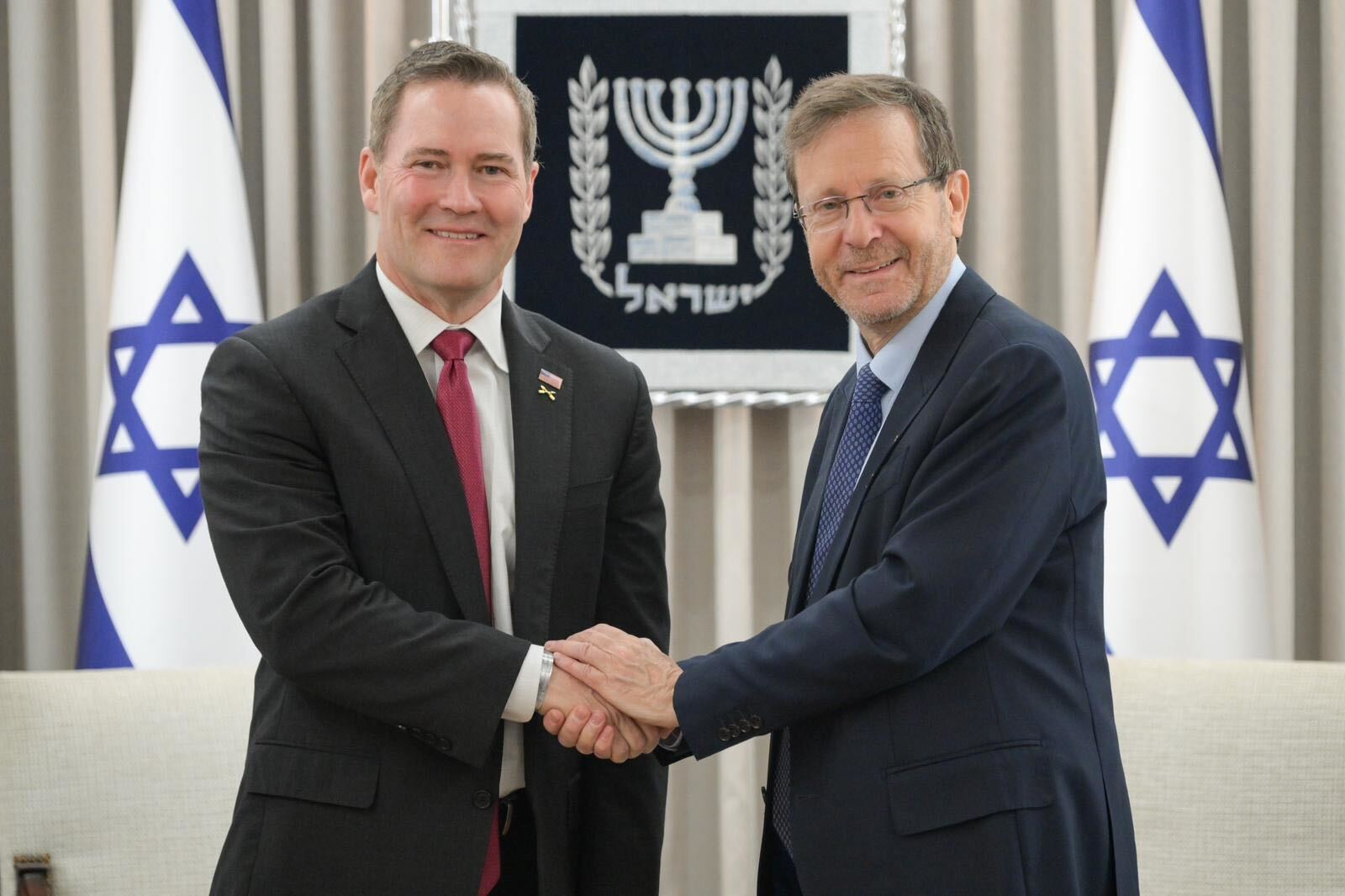
US Ambassador to the UN Mike Waltz says that Washington expects the International Stabilization Force (ISF) for Gaza to fulfill its mandate by engaging in the disarmament process, in comments that may not sit well with countries on the fence about joining the ISF.
“The stabilization force in the Security Council resolution is authorized to [disarm Hamas]. We specifically put language in there that said, ‘by all means necessary.’ That’ll be a conversation with each country. [Conversations on the] rules of engagement [for the ISF] are ongoing… President Trump has repeatedly said, Hamas will disarm one way or another — the easy way or the hard way,” Waltz says in an interview with Channel 12 at the tail end of his trip to Israel this week.
Since its UN Security Council resolution that grants an international mandate for the ISF was adopted last month, the US has yet to announce any countries joining the foreign force, as just about all potential contributors are not seen as interested in engaging in clashing with Hamas in order to disarm the terror group or getting their soldiers caught in the Israel-Hamas crossfire in Gaza.
While Waltz publicly names Azerbaijan as a likely contributor, an Azerbaijani official told The Times of Israel over the weekend that Baku is far from making such a decision.
One of the issues holding countries back is Israel’s veto on Turkish involvement in the ISF. Potential contributors feel that Ankara is needed as an insurance policy, given its ties to Hamas and its role as a mediator and guarantor of the ceasefire.
Waltz indicates that the US is still working to shift the Israeli stance on the issue, telling Channel 12 that conversations on the matter are “ongoing.”
Asked whether the US will allow for the transition to phase two of Trump’s Gaza plan — where the ISF and a transitional mechanism for running Gaza are set up — before the body of the last hostage still held in the Strip is recovered, Waltz avoids answering directly but says that Washington is committed to bringing all captives home.
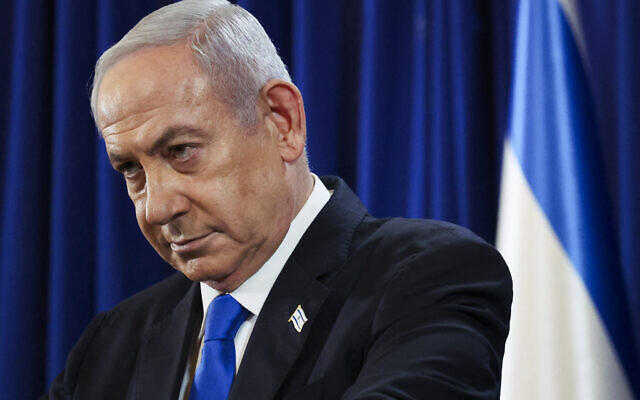
Waltz is also pressed on reporting that in a call last week, US President Donald Trump asked Prime Minister Benjamin Netanyahu to be a better partner in the implementation of the Gaza peace plan.
The US envoy downplays the notion of a rift, insisting that the US-Israel relationship is as strong as ever under Trump, even if there are disagreements and “tough conversations” between “families” — a defense that was regularly used during Democratic administrations to downplay the notion of tensions between the countries.
Waltz also says that Trump “would like to see this pardon” for Netanyahu, noting that US Ambassador to Israel Mike Huckabee has been engaged on the matter. Trump wrote a formal request to President Isaac Herzog last month, and Netanyahu did the same. Herzog is now going through the process to make a decision, Waltz says.
On northern border tensions, Waltz agrees with Israel’s warning that Hezbollah is trying to rebuild and has succeeded in doing so to a degree. Still, the US envoy touts the “progress” that has been made in getting the Lebanese army to establish itself in southern Lebanon to prevent the return of Hezbollah. The remarks were the latest indication that the US is not yet comfortable with Israel resuming wide-scale fighting in Lebanon, similar to how it doesn’t want to see such military operations by Israel in Syria.
As for the growing anti-Israel voices in his Republican party, Waltz says the way to combat the phenomenon is “to constantly remind everyone… of our… Judeo-Christian values and our shared values” along with the security cooperation between the US and Israel.
“Israel is an indispensable ally in the Middle East… A lot of this is just… going back to those basics and communicating that to the next generation of Americans on the right,” Waltz says.






The Times of Israel Community.