

New NIS 130 million center will pioneer energy storage as renewables gain ground
First-of-its-kind institute in Israel, based at Bar-Ilan University and run together with Technion, will link government, academia and industry to promote advances in storage tech
 Add ToI as a Preferred Source on Google
Sue Surkes is The Times of Israel's environment reporter
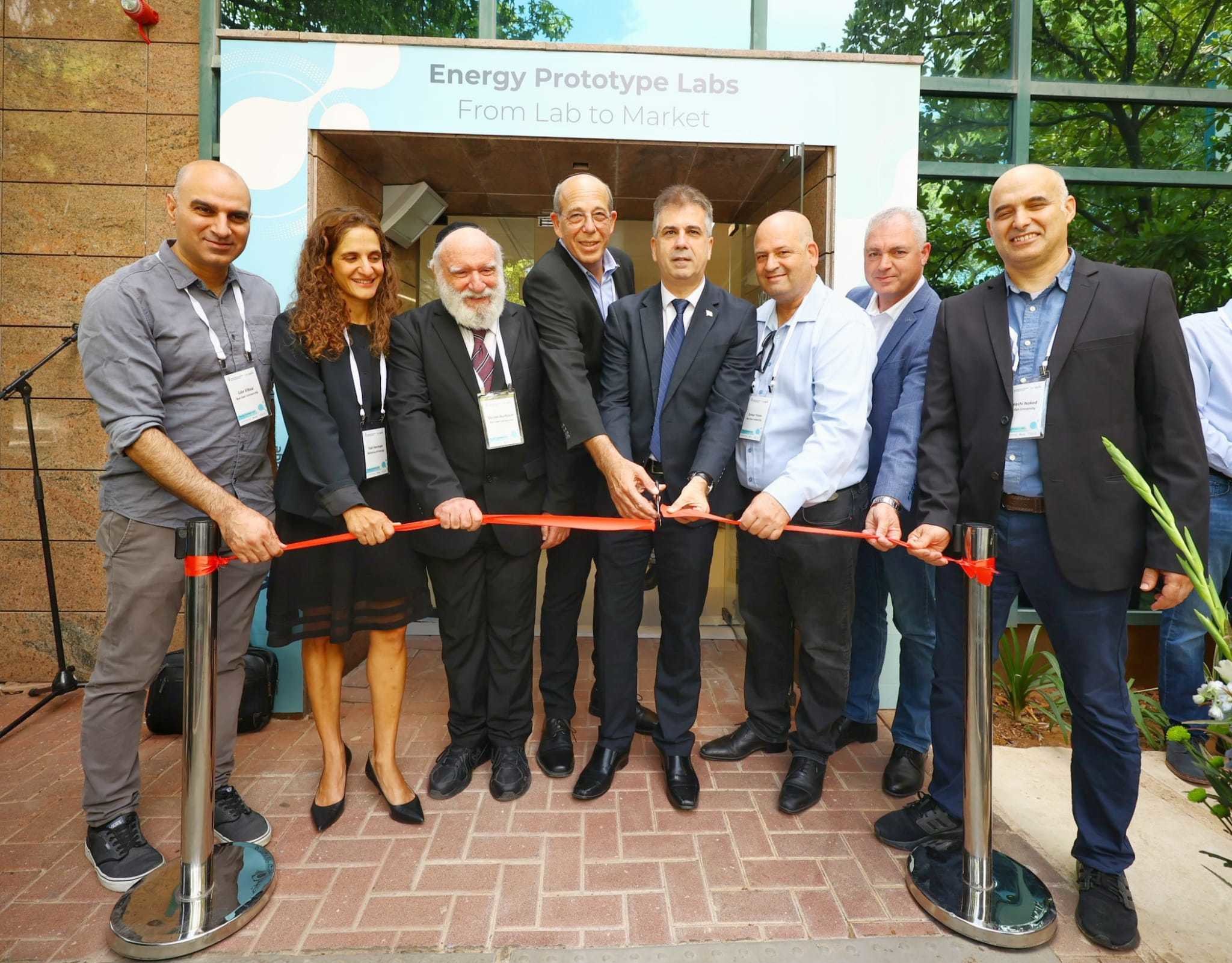
Sodium-based batteries for storing renewable energy cheaply and the recycling of lithium-ion batteries are among the challenges to be researched at a new NIS 130 million ($37 million) national institute inaugurated on Tuesday at Bar-Ilan University near Tel Aviv.
Based at Bar-Ilan but to be run in conjunction with the Technion-Israel Institute of Technology in the northern city of Haifa, the body will oversee the development, training, and commercialization of energy storage technologies.
Much of the world is transitioning from fossil fuels that contribute to climate change to more sustainable sources of energy, such as solar and wind.
Storage is critical given that these sources of power are often not available at all times. For example, there is no solar energy when the sun doesn’t shine.
It is also an essential tool for managing the electricity grid.
Most storage today is provided by batteries that require the mining of finite resources such as lithium, cobalt, and nickel, in processes that are highly polluting and often use child labor.
Lithium also gradually loses power, as anyone with a cellphone will know.
“The National Institute for Energy and Electrochemical Storage aims to use Israeli innovation and entrepreneurship for the benefit of the energy sector and the economy in Israel,” said Energy and Infrastructure Minister Eli Cohen. “We will work to promote solutions that will strengthen our energy security, contribute to environmental quality, and enable electricity production at a competitive price.”
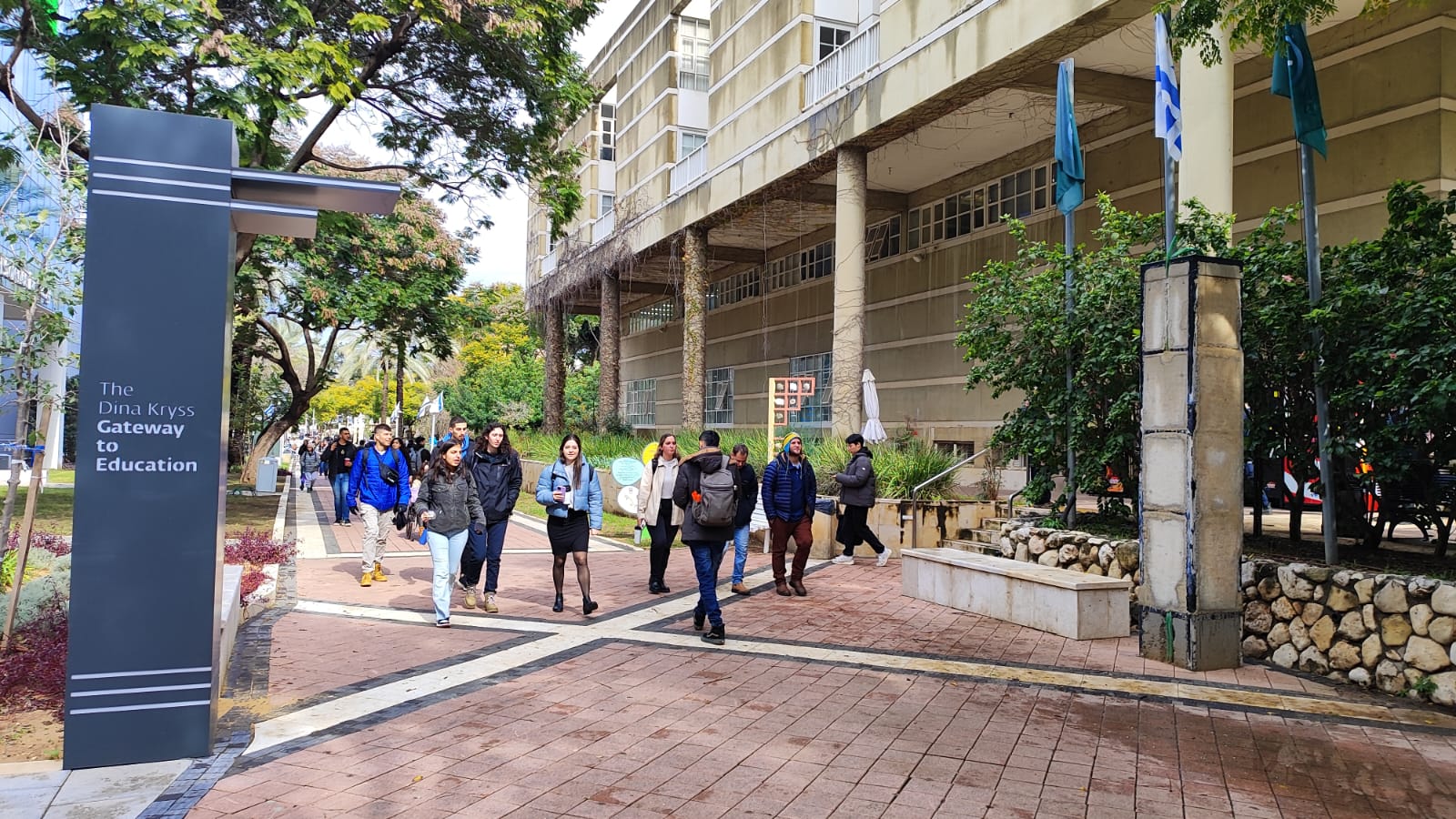
Bar-Ilan University President Prof. Arie Zaban, an energy researcher and entrepreneur, said “deep-tech-based” technological solutions were critical for the planet’s future and that the institute would “help position the State of Israel as an ecosystem in the field of climatech.”
Technion President Prof. Uri Sivan said, “Sustainability is one of the key challenges of the 21st century, and dealing with it requires multidisciplinary collaborations that cross disciplinary and institutional boundaries and a close partnership between academia, industry, and government agencies. The institute’s innovative research infrastructure will serve all researchers in Israel, and its establishment is very significant news.”
The Energy Ministry provided NIS 100 million ($28.4 million) for the new institute, with Bar-Ilan funding the remaining NIS 30 million ($8.5 million).
A press statement said the institute would support all stages of the technological development chain, from basic research through prototype development to commercial collaborations.
The institute, the first of its kind in the country, will be part of a larger energy hub to be established at Bar-Ilan focusing on fields such as electrochemistry, hydrogen, the creation of sustainable materials for industrial processes, and carbon dioxide capture.
Among the six research leaders chosen to receive a first round NIS 4.5 million ($1.3 million) from the Energy Ministry over the next three years is Prof. Emanuel Peled from Tel Aviv University, who, in collaboration with Bar-Ilan University, will develop sodium-ion batteries, and the Technion’s Prof Charles Diesendruk, who will focus on recycling lithium-ion batteries.





The Times of Israel Community.