

Israelis and Palestinians held secret back channel talks — report
Netanyahu, Abbas aides agreed on borders, Jewish state recognition, says New Republic, but effort fell apart when PA chief denied endorsing it
 Add ToI as a Preferred Source on Google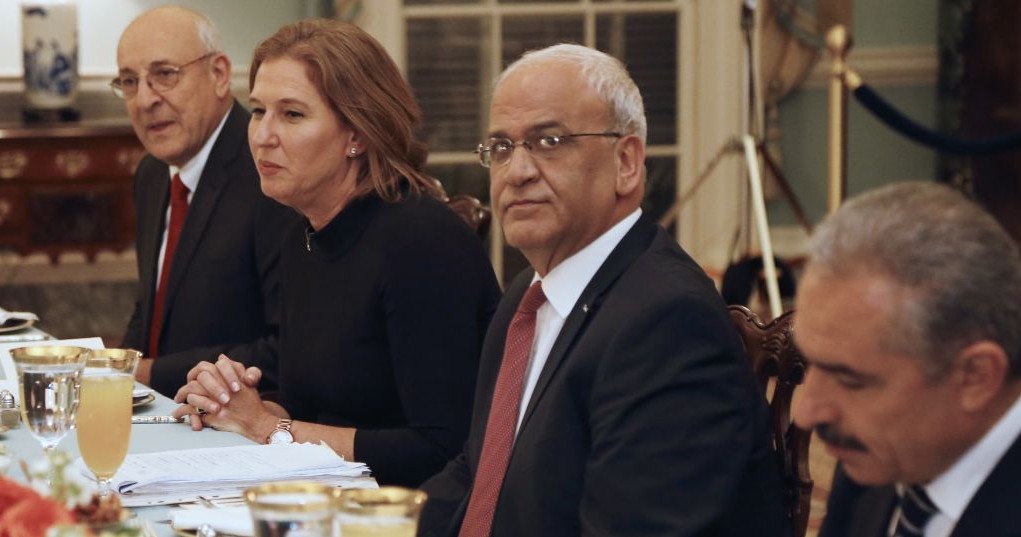
Israel and the Palestinians engaged in secret backchannel negotiations that made breakthroughs on major issues during last year’s peace talks, but the efforts fell apart after it became clear the Palestinian negotiator didn’t have the backing of Palestinian Authority President Mahmoud Abbas, according to a report published Wednesday.
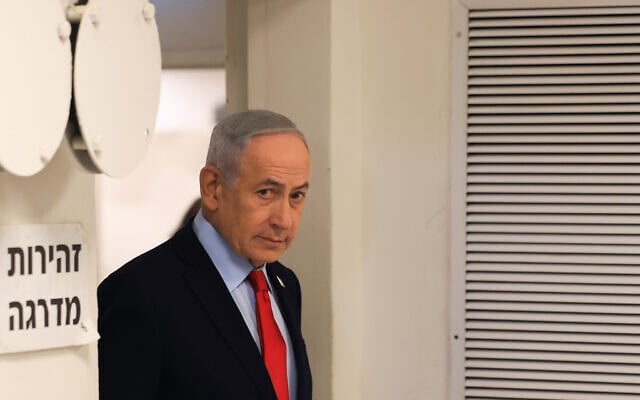
According to The New Republic, Prime Minister Benjamin Netanyahu’s close associate Yitzhak Molcho met with an unnamed Palestinian confidante of Abbas during the 2013-2014 American-moderated peace talks and held secret side negotiations.
What Israeli officials weren’t aware of at the time was that the backchannel talks apparently took place without Abbas’s support.
Contacts between Molcho and the Palestinian negotiator, whose name wasn’t published by the US magazine for fear of reprisal, began in 2010.
According to the report, during the 2013 meetings, the two built upon understandings previously reached on borders and Palestinian recognition of Israel as a Jewish state.
The two negotiators were reportedly close to reaching an understanding on the Palestinian refugee issue, but couldn’t break ground on the sticking point of Jerusalem’s status in a final agreement.
Netanyahu’s office declined to comment on the report to The Times of Israel.
US Secretary of State John Kerry, Obama’s Middle East envoy Martin Indyk, and chief Israeli negotiator and Justice Minister Tzipi Livni were all aware of the secret channel and received regular briefings while they took place, the report said.
As the two sides were close to reaching an agreement on key issues in December 2013, wind of the talks reached the press. While Netanyahu’s team declined comment, Abbas denied there being secret negotiations and said that the the official talks were the “the only channel of communication I have with Netanyahu.”
When Kerry tried to merge the official and secret negotiation tracks in early 2014, “Abbas completely rejected what had already, supposedly, been accepted by his own negotiator,” the report said.
According to the magazine, Abbas’s rejection of the side channel, and Netanyahu’s refusal to budge from what Molho and the Palestinian negotiator agreed to, played a role in the collapse of talks in April, after nine months of negotiations.
“Netanyahu is angry at Kerry for opening up understandings that everybody considered a done deal, just because Abbas had changed his mind,” a minister was quoted as telling the magazine while talks were still ongoing.
Raphael Ahren contributed to this report.





The Times of Israel Community.