

Stopping short of lockdown, top minister warns significant new restrictions loom
Cabinet gears for critical meeting where additional regulations will be weighed, including closing synagogues and gyms and restrictions on public transportation, restaurants
 Add ToI as a Preferred Source on Google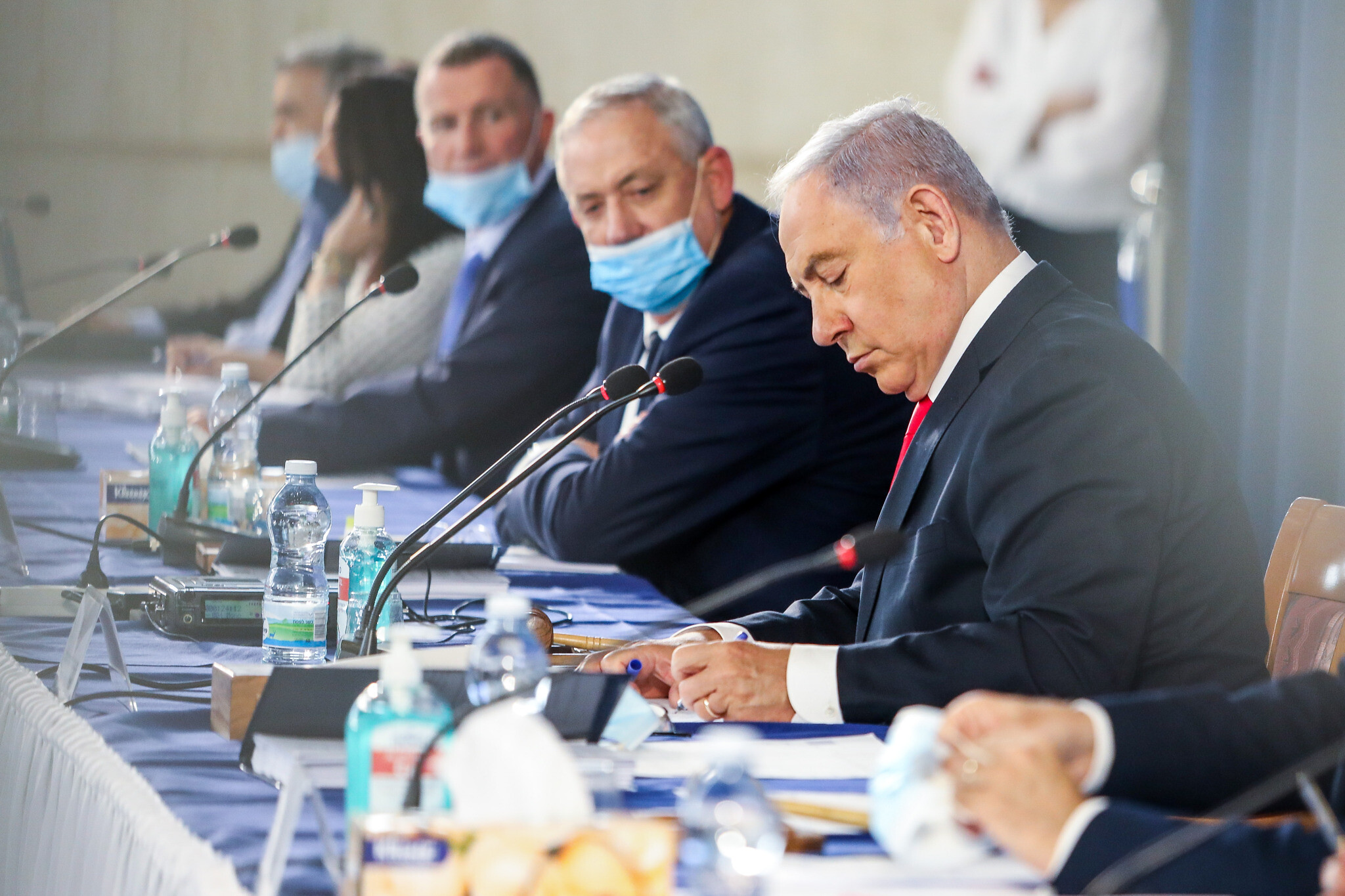
Finance Minister Israel Katz warned that “significant decisions” would be made at Monday’s cabinet meeting, at which ministers will weigh re-imposing restrictions on crowding in an effort to stem the pandemic, which experts have warned is rapidly spiraling out of control.
“Obviously, action must be taken and significant decisions will be made today,” Katz told Army Radio, while nevertheless insisting that “we must not return to the lockdown” that was instituted in late March as the first wave of the virus hit.
Israel has seen cases of COVID-19 reach new levels in recent days, leading the government to reconsider its May rollback of virus restrictions, which saw almost all limits on gatherings rescinded.
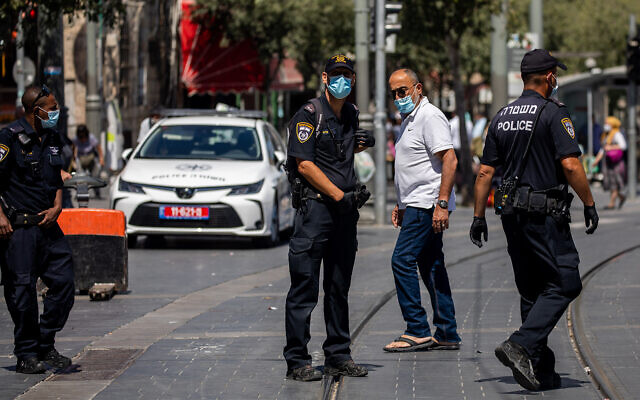
On Monday morning, new rules limiting the number of people allowed into synagogues, bars, and event halls to 50 went into effect. Those regulations do not apply to restaurants, offices, malls or other retail centers.

Later Monday, the cabinet will meet to discuss re-imposing additional restrictions as the number of virus cases soared to nearly 1,000 per day.
According to a Channel 12 report, the Health Ministry will encourage the government to shut down event halls, synagogues, religious seminaries and workout gyms in addition to further restrictions at restaurants and on public transportation.
The expectation is that ministers will fight these requests and that only some of them will be approved, the network said, adding that the health officials have dropped their calls to close beaches and hotels.
Ahead of the cabinet meeting, Foreign Minister Gabi Ashkenazi told the Kan public broadcaster Monday that the government had three tasks: protecting at-risk populations, preventing crowds — “at weddings, for example” — and cracking down on violators of the guidelines.

At the same time, Ashkenazi said it was the ministers’ job to “provide a safety net for the self-employed and small businesses until they find other jobs. If aid is not given to the industries we have closed and hit [with restrictions], it will be difficult to salvage the economy.”
Tourism Minister Asaf Zamir told Kan that many Israelis will be forced to undergo “retraining” as certain fields will surely collapse.
Commenting on the upcoming meeting, Zamir said, “You can close everything or you can say that it is impossible to close everything each time because we do not know how to compensate businesses properly.”
The tourism minister went on to lament that given Israel’s recent major uptick in virus cases, “we are unwanted guests in the world.” He said proposed open-travel agreements with Greece and Cyprus that had been brewing last month when infection rates in the Jewish state were far lower are “no longer relevant.”

Meanwhile, Health Ministry Deputy Director Itamar Grotto acknowledged on Army Radio that the reopening of the economy over the past several months had been “too quick.” However, he expressed optimism that it wasn’t too late to gain control over the pandemic.
His Health Ministry colleague, Asher Shalmon, who heads the international department, appeared less optimistic. He told the radio channel that once Israel reached 1,000 new confirmed cases a day, “The horses in a sense have already fled the barn.”
“It is almost impossible to conduct epidemiological investigations [with such numbers],” he said. “What does work is a combination of targeted restrictions along with public discipline.”
On Sunday, the head of an advisory panel helping to craft the government’s response to the latest coronavirus outbreak warned on Sunday that Israel had “lost control of the pandemic.”
“In terms of the number of infected, and the fact that they’re scattered throughout the country, we don’t know the sites of infection for most of the infected, so we’re unable to control the outbreaks,” Prof. Eli Waxman, a physicist who heads the panel of experts advising the National Security Council’s deliberations on combating the pandemic, told Channel 12.
He warned: “We are facing Israel’s greatest ever national civilian crisis.”
The Kan public broadcaster also reported Monday that Prime Minister Benjamin Netanyahu has demanded Knesset Speaker Yariv Levin and Constitution, Law and Justice Committee chairman Yaakov Asher allow him to pass within 48 hours legislation that would give the government far-reaching powers to cope with the coronavirus pandemic.
However, Levin and Asher reportedly objected to the degree of fast-tracking requested by Netanyahu and instead agreed to try and advance the bill within two weeks, the report said.
The Health Ministry announced Sunday evening that there have now been 29,958 confirmed coronavirus cases in Israel since the start of the pandemic, with 788 coming in the last 24 hours. The number of active cases rose since late Saturday by over 600 to 11,677.
There were 86 people in serious condition and 68 moderately ill as a result of the coronavirus, the ministry said, a day after a team of experts warned that Israel’s hospital system was in danger of collapse at current infection rates.
The death toll rose by one to 331.










The Times of Israel Community.