

Summer brings the Templers, Japanese crafts and an AI artist chat to life in Haifa
In the northern port city, visitors can build a German Protestant sectarian’s house, fold an origami crane, or compare old and new Herzls
 Add ToI as a Preferred Source on Google
Jessica Steinberg, The Times of Israel's culture and lifestyles editor, covers the Sabra scene from south to north and back to the center
Visitors to Haifa this summer can explore new exhibitions at three city museums highlighting German, Japanese, and Israeli artistic legacies.
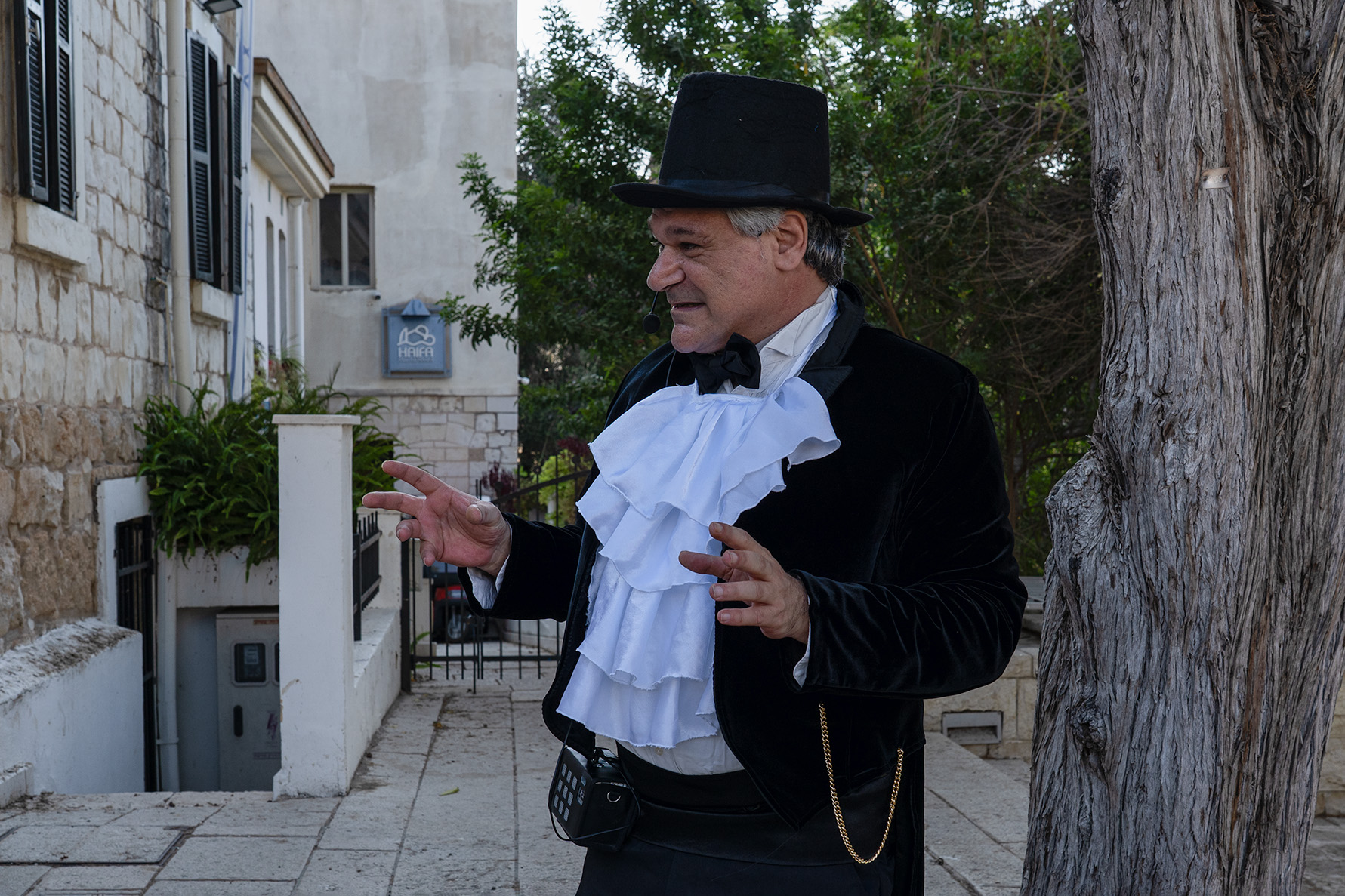
The city is marking the season by offering theatrical tours in the German Colony throughout August. The tour, which takes visitors back to the 1898 visit by Kaiser Wilhelm II of Germany to the Holy Land, includes a visit to the Haifa City Museum and its new exhibit, “Community House, The Templers: Legacy and Dream.”
The exhibit, open through March 2026, tells the story of the German Templers, a Protestant sect that came to Israel some 160 years ago and established its first colony in Haifa, followed by six more in other cities and in the countryside.
No more than 1,700 German Templers lived in the Land of Israel at any one time, according to academic research gathered for the exhibit, and yet the community left a cultural mark on Haifa, Tel Aviv, Jaffa, Jerusalem, and other areas where it put down roots.
“Community House” includes works by the artist Ossi Yalon, who has spent years researching the Templer community. Her works reimagine the Templers’ daily routines and community life.
The exhibit also includes historical objects, as well as photographs, postcards and personal journals depicting the lives of Templers. Beit Ha’am, or Community House, served as the religious and cultural center of the Templers and now houses the Haifa City Museum, which is hosting the exhibit.
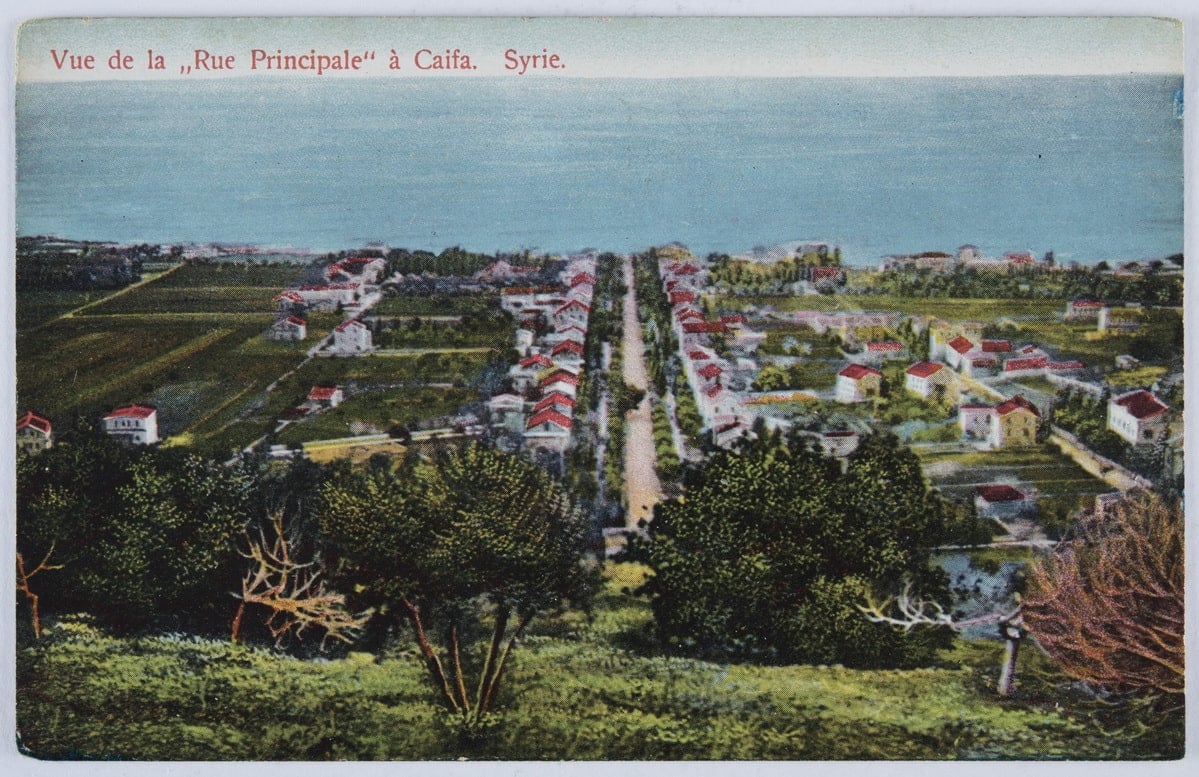
Visitors can paint and fold their own Templer houses, mimicking the stone walls and arched windows typical to the structures, and children can play in toy wooden houses in the museum courtyard, with pieces of wood and wheelbarrows like those used by the original Templers.
For tickets and more information, go to the museum site.
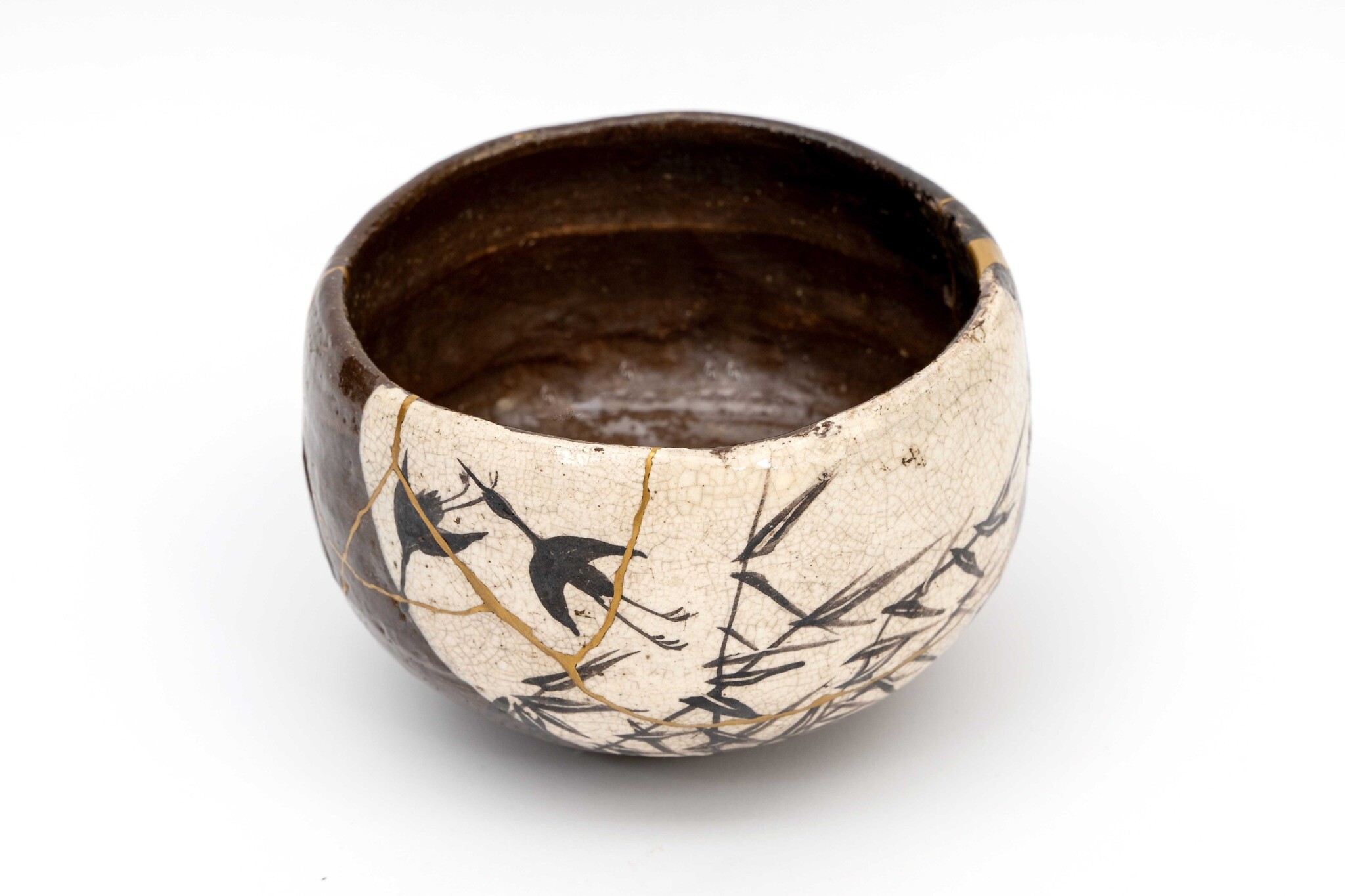
At the Tikotin Museum of Japanese Art, “Handmade Japan,” open through November 30, features over 100 artworks and objects focusing on Japanese artistic handcraft traditions.
The exhibit includes works by a collection of Japanese and Israeli artists, alongside items from the museum’s collection, with a focus on the inherently utilitarian focus of Japanese art.
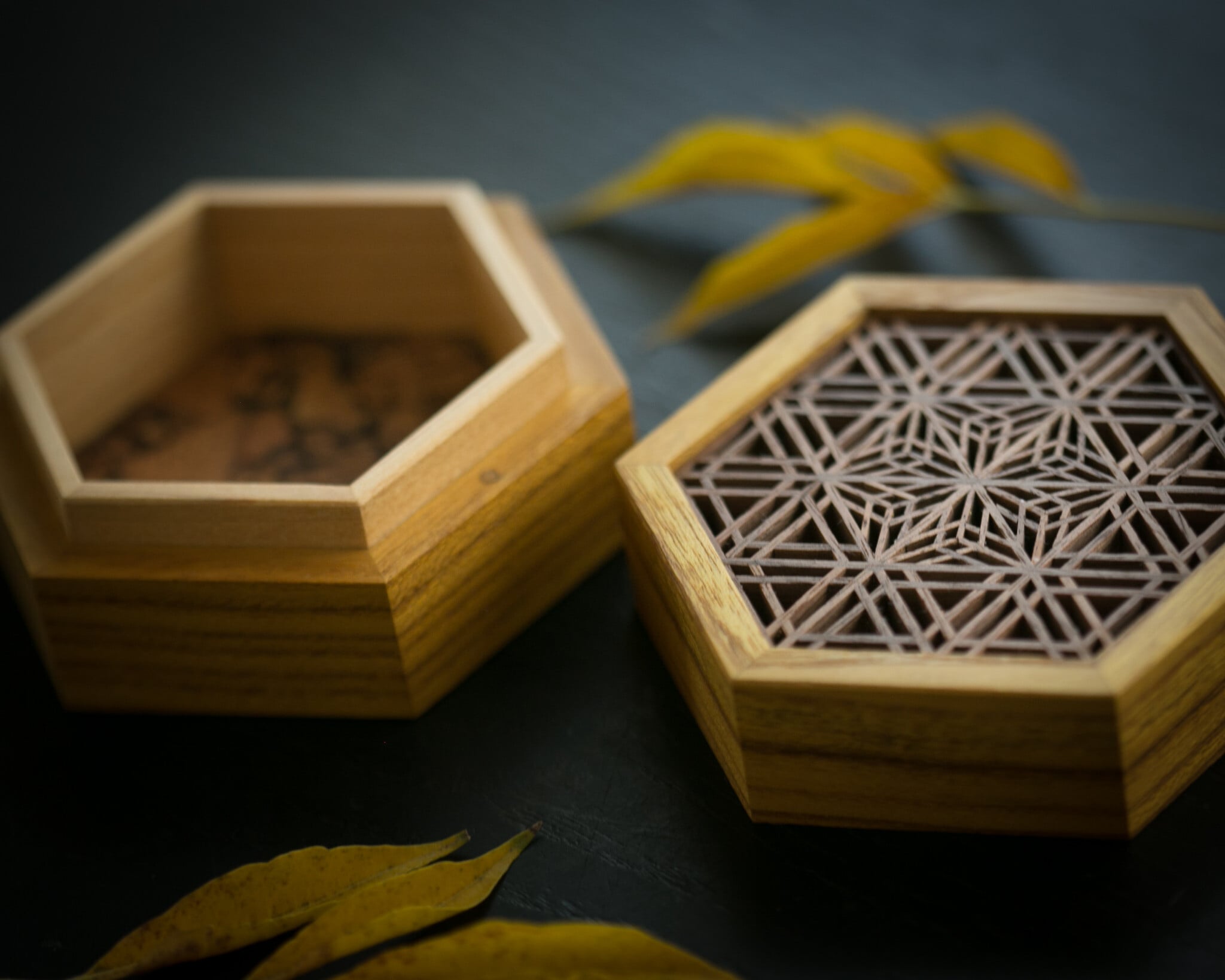
Works range from antique to contemporary, including Nobuya Yamaguchi’s iron sculptures, the calligraphy of Ichika and the spinning tops of Masaaki Hiroi, origami by Israeli artist Tim Oder, Japanese-style textile wrapping by Efrat Barashi Mafen, and glasswork by Dafna Kapman.
“These practices are just one part of the vast Japanese creative world,” said Eti Glass Gissis, curator of the Tikotin Museum. “These objects aren’t exotic artifacts or remnants of culture for Western eyes — they are integral to the daily lives of contemporary Japanese people.”
The exhibit includes a look at the Japanese art of miniaturization with bonsai trees set in the museum patio. There will also be sand raking in the patio, a Furoshiki wrapping station teaching the technique of fabric wrapping, and an origami corner for learning how to make paper cranes.
A third new exhibit is at the Hermann Struck Museum, where artist Gil Goren opened a solo collection on August 1 that will run through February 27, 2026.
Titled “Did You See How Beautiful,” based on a line in a Natan Yonatan poem, the exhibit is a kind of dialogue between Goren, an Israeli printmaker and artist, and Hermann Struck, a German Jewish artist who moved to Haifa in 1922. His home was turned into a museum a little over a decade ago.
“Did You See How Beautiful” consists of prints by both artists, hung in the four rooms of the museum.
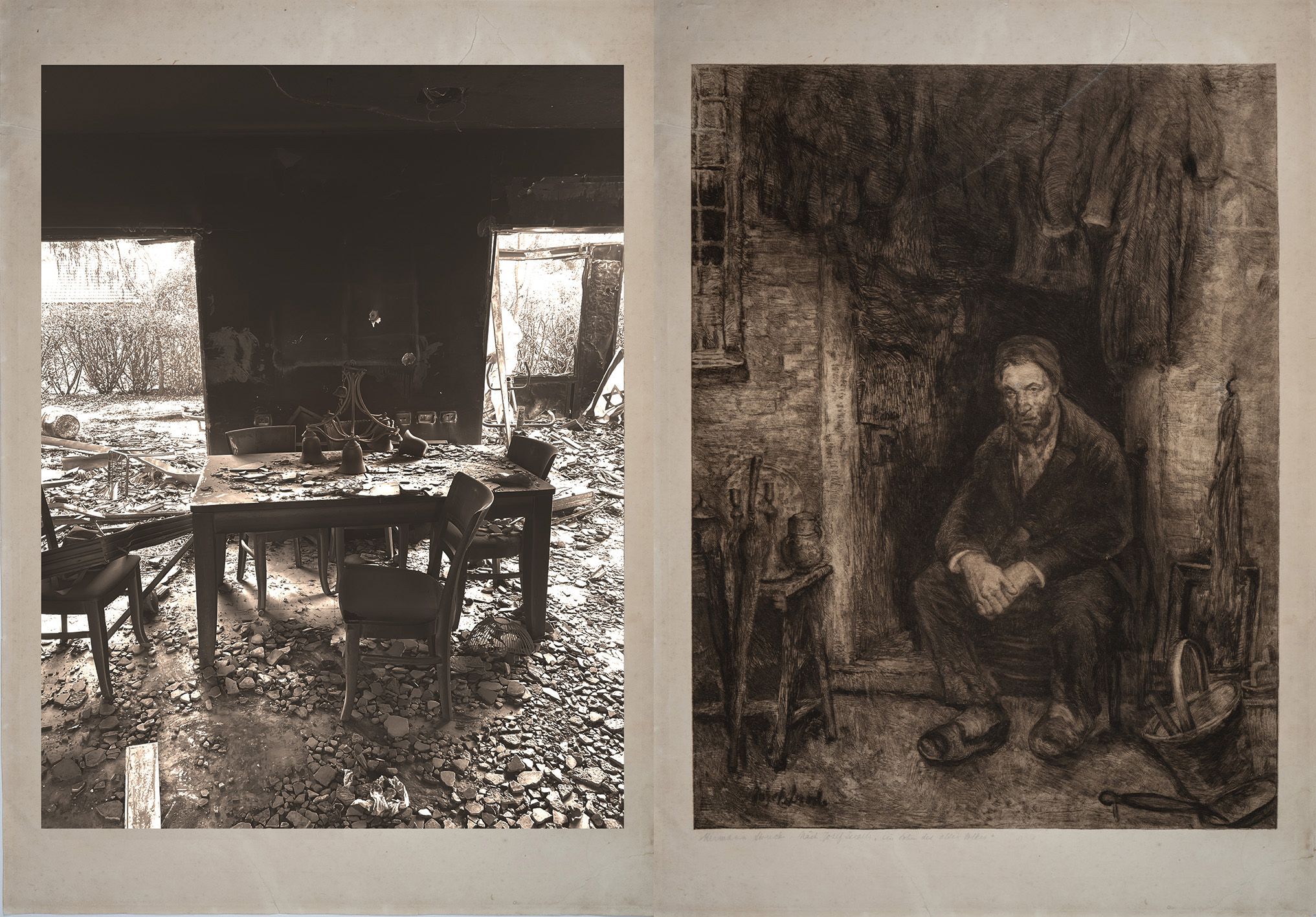
Struck’s portrait subjects include Zionist luminaries Theodor Herzl, Menachem Ussishkin, Pinchas Rutenberg, and Hayim Nahman Bialik, plus Albert Einstein and Sigmund Freud, as well as landscapes.
Goren’s works, utilizing contemporary techniques, offer interpretations on questions of identity, social and national values and collective memory, in conversation with Struck’s works and home.
The exhibit includes “The Encounter,” a video work simulating a virtual meeting between Goren and Struck created using artificial intelligence, in which the two discuss their likenesses and differences.
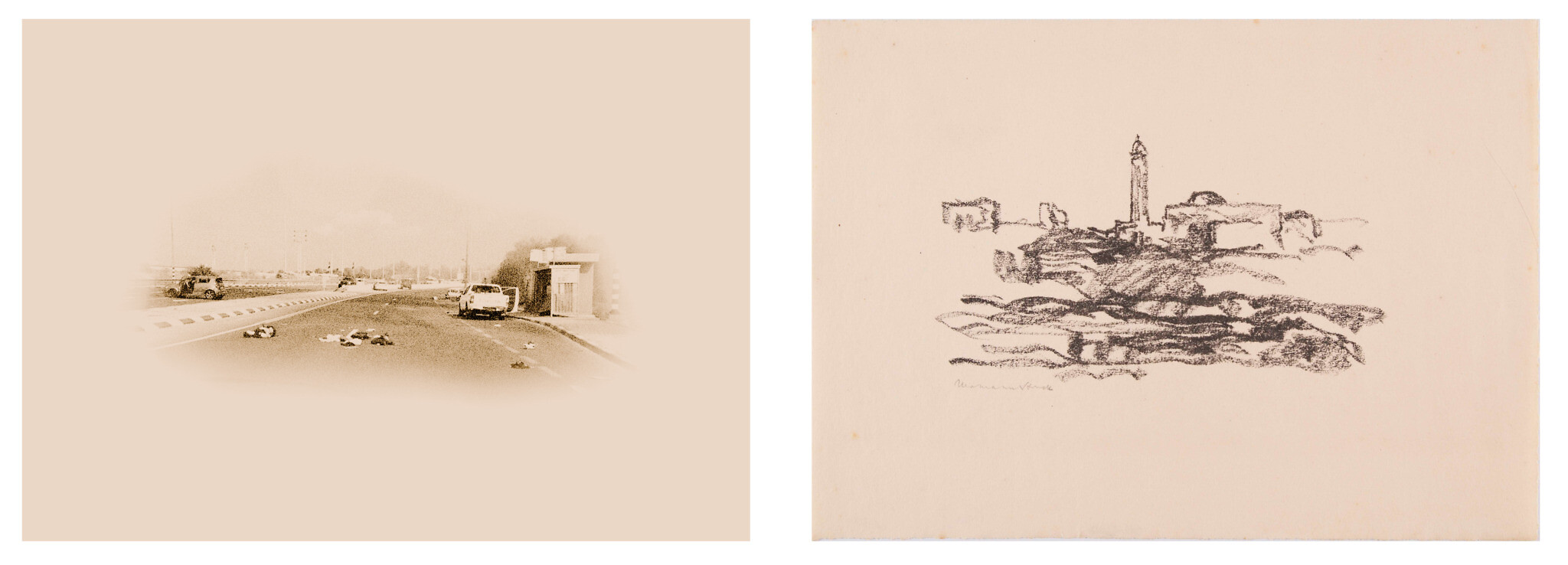
Struck was religious, a Zionist activist, and a leading print artist in Germany and Israel who influenced the development of Israeli art in the fields of etching and lithography.
Goren spent nearly two decades as a creative director in advertising before turning to art, where he now works in painting, embroidery, photography and printmaking, with an artistic language marked by vivid colors and critical, powerful messaging.
“I juxtapose Struck’s Jewish laborer with my tapestries of European landscapes, or his etching of Gaza with my photograph of Be’eri, and his Herzl with my Herzl with a purple thistle,” said Goren. “I conduct a conversation with Struck about art, about his past and my present.”
For more information about each museum, tickets and hours, go to the Haifa Museums site.










The Times of Israel Community.