

The unusual case of the still-standing home of a terrorist’s family
Killer’s relatives apparently turned him over to the authorities to prevent the demolition of their house. More than a month on, it’s still not clear if the move has worked
 Add ToI as a Preferred Source on Google
Judah Ari Gross is The Times of Israel's religions and Diaspora affairs correspondent.
More than a month after an attack in which two Israelis were killed, the fate of the home of the Palestinian terrorist responsible, whose family allegedly handed him over to Israeli security forces precisely in order to prevent their home from being demolished, still remains unclear.
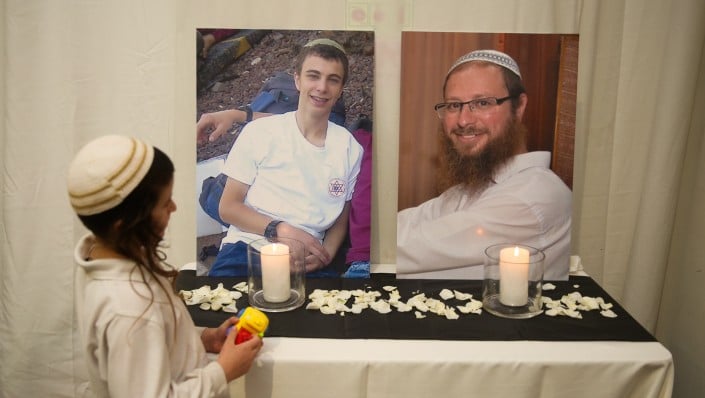
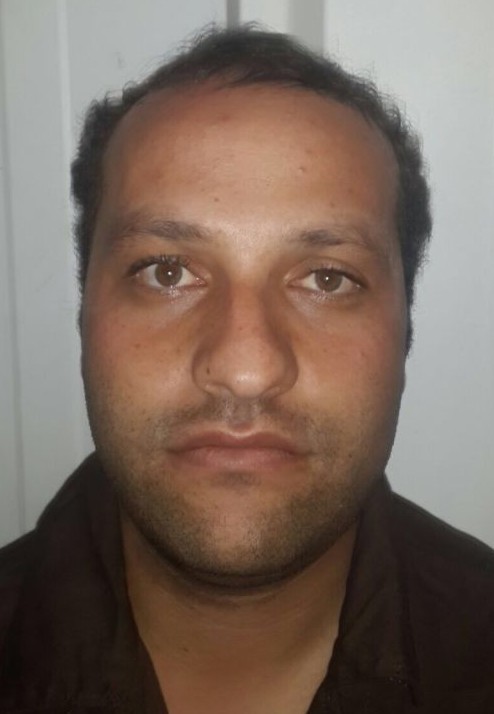
On November 13, Shadi Ahmad Matua shot and killed Rabbi Ya’akov Litman and his 18-year-old son Netanel Litman as they drove to a family Shabbat eve pre-wedding celebration near the West Bank settlement of Otniel. Several other members of the family were also injured in the shooting attack.
The next day, Matua’s father and brother turned the 28-year-old terrorist over to Israeli authorities in an attempt to prevent the demolition of the family home in Hebron, the Shin Bet said at the time, though the family later disputed the claim.
Israeli security forces also recovered the car and gun Matua used in the attack. The 28-year-old father of two was brought in by the Shin Bet for questioning and remains in custody.
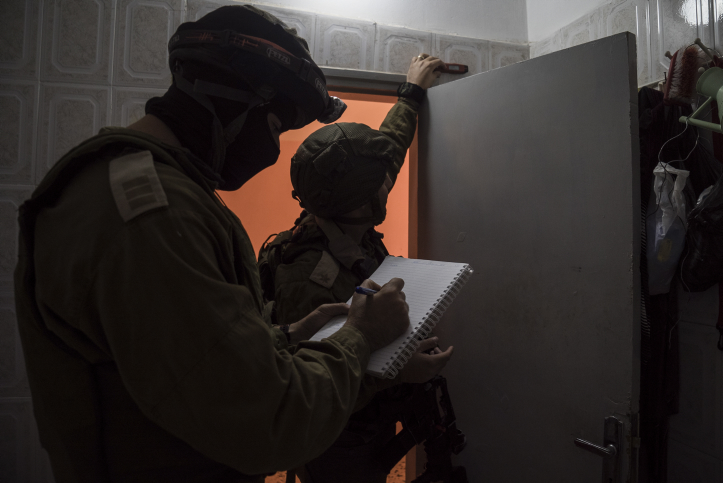
About a week later, IDF combat engineers visited the Matua home in Hebron and began taking the measurements necessary for its demolition.
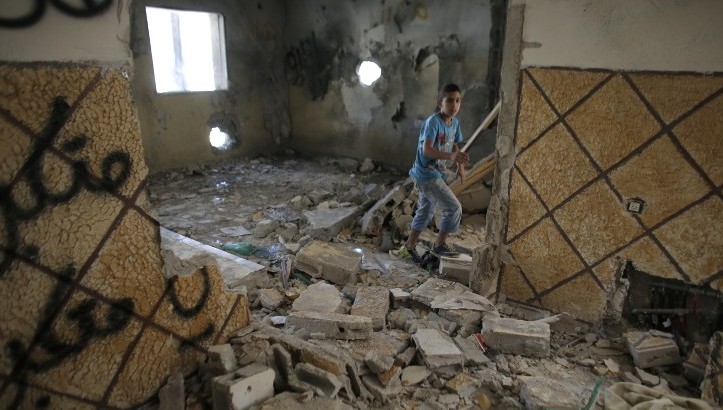
Hamas claimed that the family was told their home would be knocked down, but since then — despite multiple requests for comment — the Israel Defense Forces, Defense Ministry and Justice Ministry have all remained silent on the matter.
That’s no surprise to attorney Tal Mimran, a researcher at the Israeli Democracy Institute and professor on international law and property law at both Hebrew University and Tel Aviv University.
“They usually keep their cards close to their chest when it comes to home demolitions,” Mimran said of the Israeli security authorities. “The more open they are with information about this, the more likely it will get to court. And they want to keep it out of court.”
In general, the military commander of a given area “has the right to order the demolition of any house, structure or land” of anyone who took part in a violent act or assisted those who took part in a violent act, as per Israel’s Emergency Security Regulations, the relevant law on home demolitions.
Families can attempt to reverse the decision of the military commander by appealing to the courts, but these appeals are usually rejected, Mimran said.
Yet the case of Shadi Matua is not a usual one. Though the family did not turn Shadi over to security forces before he committed the attack — possibly because they did not know what he was planning — the Shin Bet still credited Matua’s brother and father with assisting in the arrest of their son. It would presumably be in Israel’s best interest to encourage such behavior, or at least refrain from punishing the Matua family.
The problem with this case, however, is that it’s not a clear victory for the Israeli political and military leaders who support home demolitions, according to Mimran, who has extensively researched the topic for the Israel Democracy Institute and co-wrote a soon-to-be released study on home demolitions alongside fellow IDI researcher Amichai Cohen.
Had the family handed over Shadi Matua before he committed the attack, the pro-demolition camp could trumpet the incident as proof of the measure’s efficacy, but since Matua was given to Israeli forces after the fact, the evidence that razing homes works is not nearly as persuasive.
“Some people have used this case as evidence that home demolition is efficient,” Mimran said. “But the other side of the story is that the father and son only turned him in after, and not beforehand. So why should they be ‘rewarded’?”
Ex-Jewish Home party MK Yinon Magal made just that case after Matua was handed over. “Hopefully next time, the terrorist will be turned over before the attack, which will save the family’s home,” Magal told the right-leaning religious Srugim news site in November (before he left the Knesset amid a sexual harassment scandal).
At this stage the IDF has not made any additional public moves to continue the process of home demolition, but that does not exclude the possibility in the near future.
The IDF, which is the body that ultimately determines the fate of the Matua home, does not have an unlimited amount of time to decide, as the underlying legal argument for home demolitions is that they are not punishments but rather preventative measures against future attacks, according to section 119 of Israel’s Emergency Security Regulations.
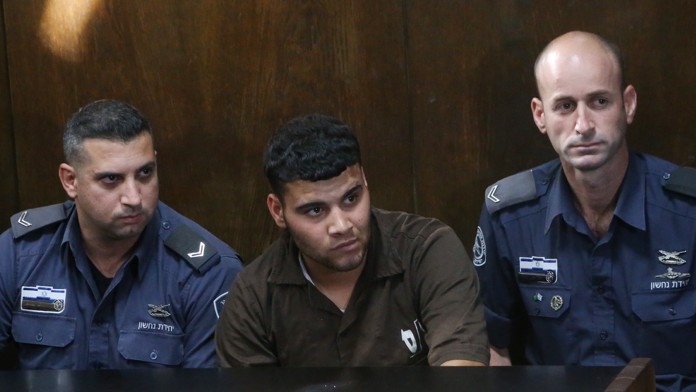
If Israel delays the demolition of a home for too long, the family’s attorneys can argue that the structure does not actually constitute a potential threat. Earlier this month the High Court of Justice halted the demolition of Nur al-Din Abu Khashiyeh’s home for just such a reason.
In November 2014, Khashiyeh stabbed and killed an IDF soldier, Almog Shiloni. The army, however, had still not carried out the demolition by December 2015 — 11 months later — which led the court to accept the family’s appeal and reject the IDF plan for the home’s destruction.
Even for an expert like Mimran, who not only lectures and researches in universities on the topic of international law but also practices it as a reserves officer for the IDF’s Military Advocate General’s corps, the case of the Matua home is too complex to hazard a guess on.
Will the family home be demolished? “It is hard to predict,” said Mimran. “Usually it’s easy, but this is sui generis (one of a kind).”







The Times of Israel Community.