

Theater makers search for footing in year of the absurd
Panelists from around the globe gather online in Theatre of Uncertainty 2020 to discuss and brainstorm ideas for dealing with pandemic; Wednesday event is open to the public
 Add ToI as a Preferred Source on Google
Jessica Steinberg, The Times of Israel's culture and lifestyles editor, covers the Sabra scene from south to north and back to the center
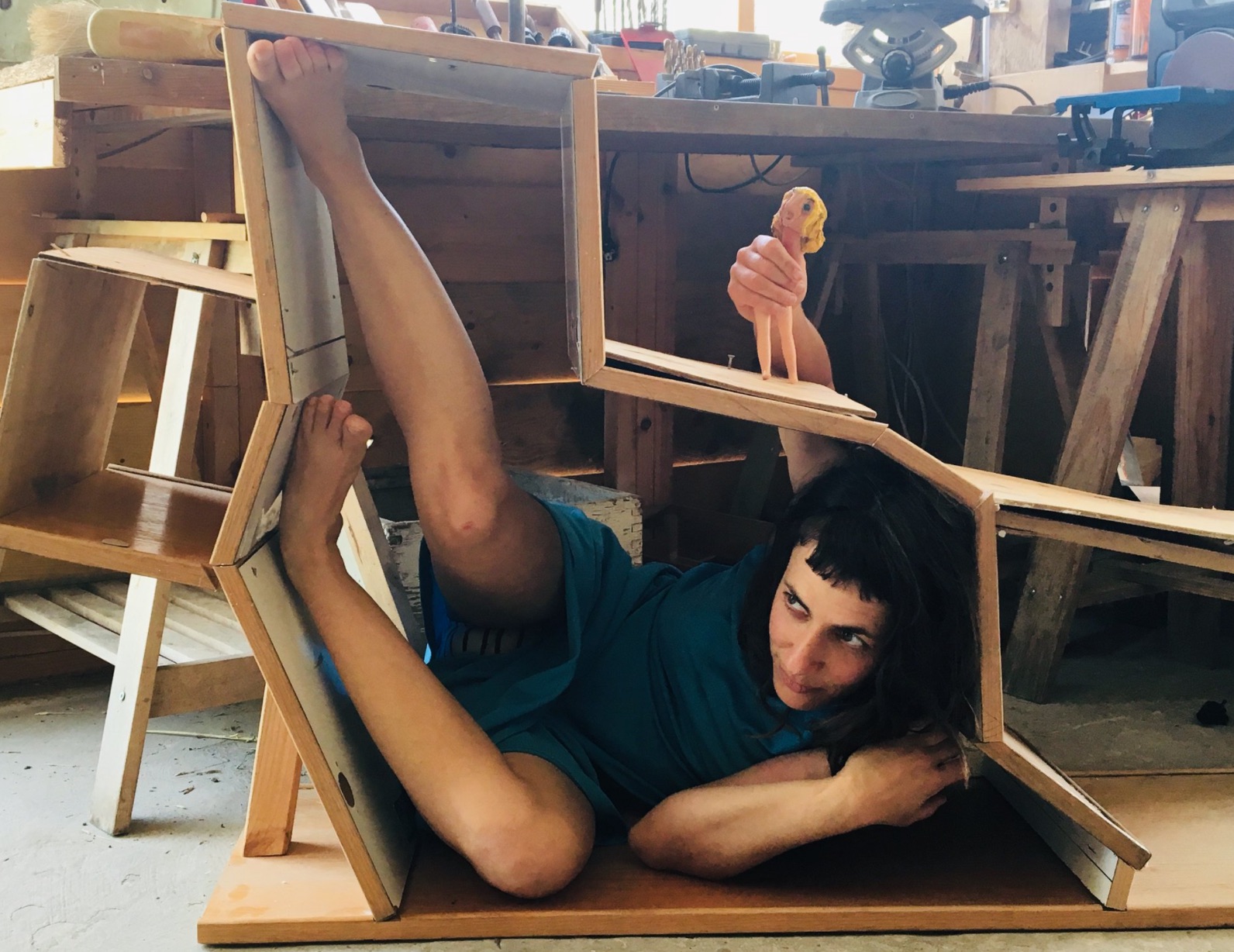
As the struggle to sustain culture during the coronavirus pandemic continues, it turns out that small, independent theaters and artists have a better chance at pivoting than well-established repertory theaters.
That’s one of the themes of “Theatre of Uncertainty 2020,” a two-day international online conference set to take place Wednesday and Thursday, organized by EVE, an independent theater makers association, and initiated by Israel’s Foreign Ministry.
With participants from Thailand, Russia, Switzerland, the Netherlands, England, Scotland, Croatia, the US and Kenya — including new collaborations with artists that haven’t previously worked with Israeli organizations — EVE CEO Anat Radnay felt warmed by the response from fellow theater makers around the world and by their desire to work together.
“All these people who we mostly don’t know and who wanted to dedicate time to be together, and that really moves us,” said Radnay.
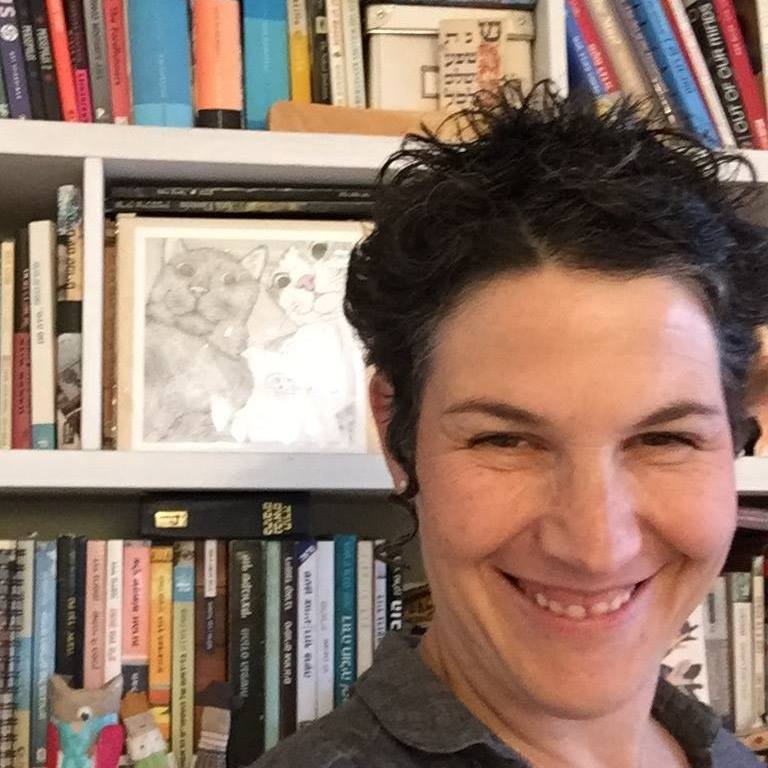
The conference, which is open to anyone and which Radnay prefers to think of as a gathering, begins Wednesday at 4 p.m. Israel time, with the first two-hour session dedicated to discussing the challenges of teaching and training the next generation of theater makers. The 8 p.m. session will be a conversation on audience and isolation.
Thursday’s 4 p.m. session will discuss the coronavirus and cultural policy with presentations from three countries on how they’re coping. The 8 p.m. session will be a presentation from artists and cultural entrepreneurs on a variety of theater projects.
Throughout the two-day conference, attendees can watch the ongoing performance of “Borders,” a live, virtual performance about the burgeoning relationship between two men, one a Jewish Israeli, the other Lebanese, that unfolds over a dating app chat, complete with voice messages, videos and a lot of innuendo.
The play is an example of what can be done during this kind of continued lockdown, said playwright Nimrod Danishman, who wrote “Borders” for his final student project, after which it was performed Off-Broadway in New York and in Washington, DC.
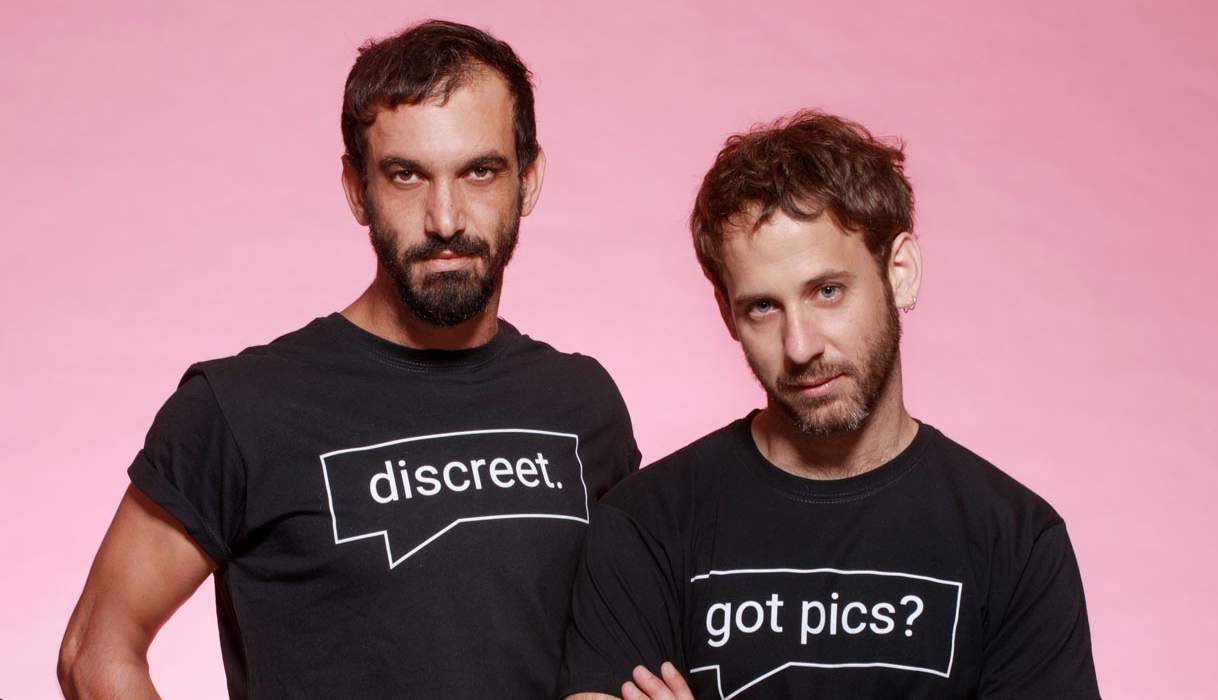
“It doesn’t give up on the auditorium, but it’s a call for artistic directors to say, yalla, you have a responsibility on your shoulders, you have staff and it’s easy to send them home but it would be great if they would sit around a table and try to figure out what can do,” said Danishman, who is using the same two actors for both the stage and virtual versions of “Borders.”
Independent theater is often more flexible than larger repertory theaters that are waiting to be able to open their auditoriums, said Radnay.
“They have to get more creative, too,” said Nataly Zukerman, one of the two artistic directors for the conference.
Zukerman, who teaches, directs and works in a wide number of theater projects, is heavily involved in the Habait Theatre in Jaffa, which has been staging performances for audiences of one to three people during the coronavirus, sometimes with six performances each evening.
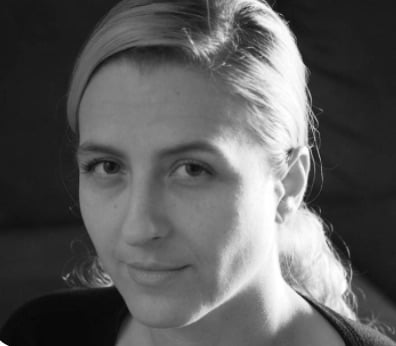
“We have this opportunity all of a sudden to realize that independent and fringe theater can be done, they’re safer, they cost less,” she said. “We want to discuss what will be, what will happen to theater? How will the audience take it? And what is everyone else doing about it?”
Theater folk worldwide have been grappling with responses to the ongoing pandemic.
The conference includes a panelist from The Juilliard School in New York City, where classes are on Zoom for the second year.
A participating sound artist from Scotland will present her program in which the entire staff of an opera house — including singers and backstage staff — can be called by the audience, just to check in.
“This kind of discussion is something that creates a conversation,” said Radnay, who has been meeting weekly on Zoom with the members of EVE, fellow theater makers, throughout the coronavirus. “This is a gathering, and we hope everyone gets that. The world of theater is going through this deep crisis and to be together fills the soul.”






The Times of Israel Community.