

Was there real communication at the 2018 GA? Yes, but not as part of the program
At the close of the three-day conference, TOI’s Jewish World editor reflects on lessons learned, from unexpected sources

 Add ToI as a Preferred Source on Google
Deputy Editor Amanda Borschel-Dan is the host of The Times of Israel's Daily Briefing, What Matters Now and The Reel Schmooze podcasts, and heads up The Times of Israel's features.
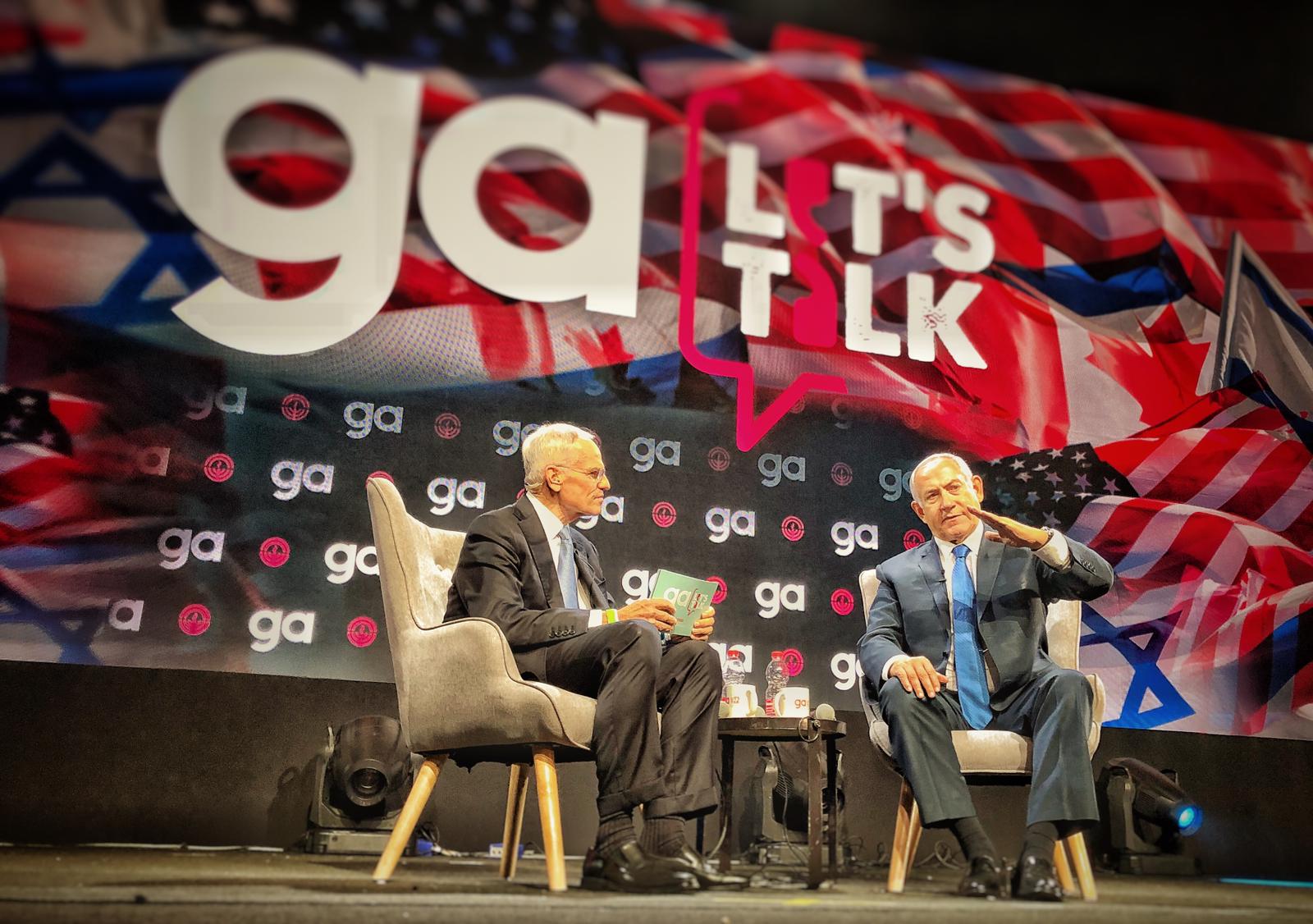


Prime Minister Benjamin Netanyahu was in fine form on Wednesday at the Jewish Federation of North America’s annual General Assembly. Sitting on the massive Tel Aviv stage, flanked by huge screens projecting the Israeli leader to one and all in the pitch black hall, Netanyahu hit all the right notes: Israel’s miraculous historical mission, his own successes in fighting for pluralism, an anecdote about “Hamilton” the musical and Hamilton the statesman’s Hebrew prowess. (Who knew? He did.)
And, of course, the Holocaust.
Except, this time the audience of Diaspora Jews — significantly smaller than the turnout on Monday for the address of Israeli President Reuven Rivlin — wasn’t all laughing at his jokes. While there was riotous agreement at the achievement of United States President Donald Trump’s recognition of Jerusalem, Netanyahu sometimes had to cajole the crowd for expected applause.
Exiting the venue into the steamy Tel Aviv humidity, a group of women from Rochester, New York, talked among themselves. One, a 30-something lay leader, said, “You know the thing about politicians? Well, with time, they become very polished.” Another rejoined, “What he said just didn’t make sense to me.” They shrugged.
As one would expect with a theme that was initially announced as “We Need to Talk,” there was an awful lot of speaking at the three-day conference. Even looming chipper banners — and the Joint Distribution Committee’s humorous breath mints — were branded with “Let’s Talk,” which, according to a JFNA official, was the final, much less threatening, “real” theme.
With all these blatant prompts, was there any real communication?

Beginning with the opening plenum, a series of proposals were offered to help mind the widening gap: On a mid-morning panel, McGill University History Prof. Gil Troy suggested a serious consideration of his idea, jointly conceived with former Jewish Agency head Natan Sharansky, of a Jewish People’s Council. Such a council, they think, would include representation from the broad Diaspora community and help bridge controversial issues.
After the strains of the schmaltzy theme music died down a few minutes later, Rivlin spoke of the need for a “Reverse Birthright” for Israelis, as well as a redrafting of the 1950 document signed by the president of the American Jewish Committee, Jacob Blaustein, and Israel’s first prime minister David Ben-Gurion, which helped define the relationship between Israel and US Jewry.
“The Blaustein-Ben Gurion agreement… cleverly captured the delicate balance between deep mutual responsibility and noninterference. We must cherish this principle,” the president said.
“On the same note, it is time to update or formulate a new ‘Blaustein Ben-Gurion agreement,'” he said. “An agreement that meets the current realities and challenges.”
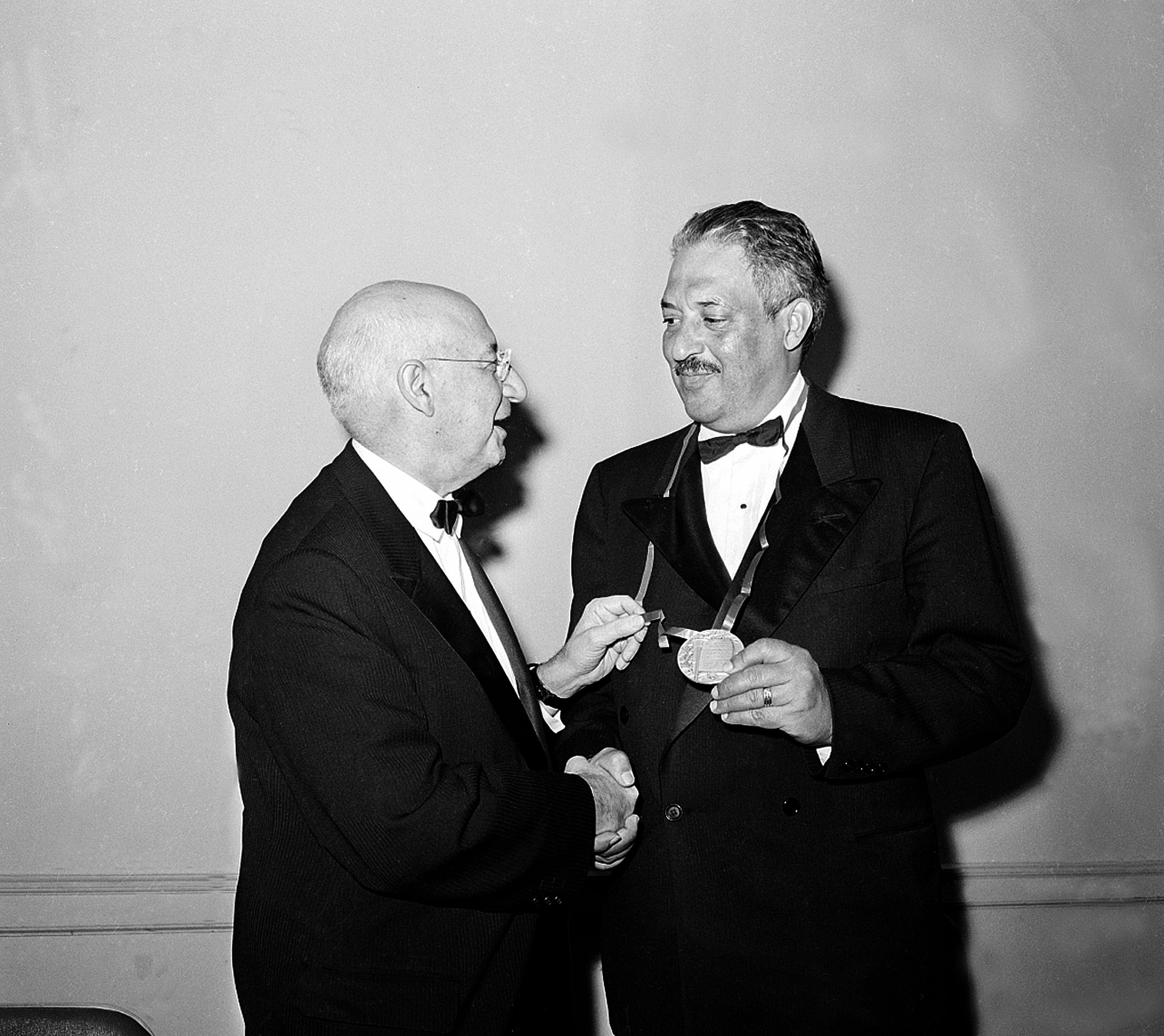
For historical accuracy, it should be noted that the Blaustein agreement, whose roots are based on a press release summarizing a speech given by Ben-Gurion that was issued by the AJC leader upon his return to the US, included choice phrases such as, “the State of Israel speaks only on behalf of its own citizens and in no way presumes to represent or speak in the name of Jews who are citizens of any other country.”
Also in the document, it is written, “The Jews of the United States, as a community and as individuals, have no political attachment to Israel.”
Clearly, some Diaspora Jews — many of whom are apparently GA participants — did not get the memo to not feel “political attachment” to the Jewish State.

Before heading out to the capital and the Knesset on Tuesday, the new head of the Jewish Agency for Israel, Isaac Herzog, called for a still different approach to spur communication: Since the English-language discussions have not borne fruit, he promoted more intensive Hebrew-language training. B’hatzlacha.
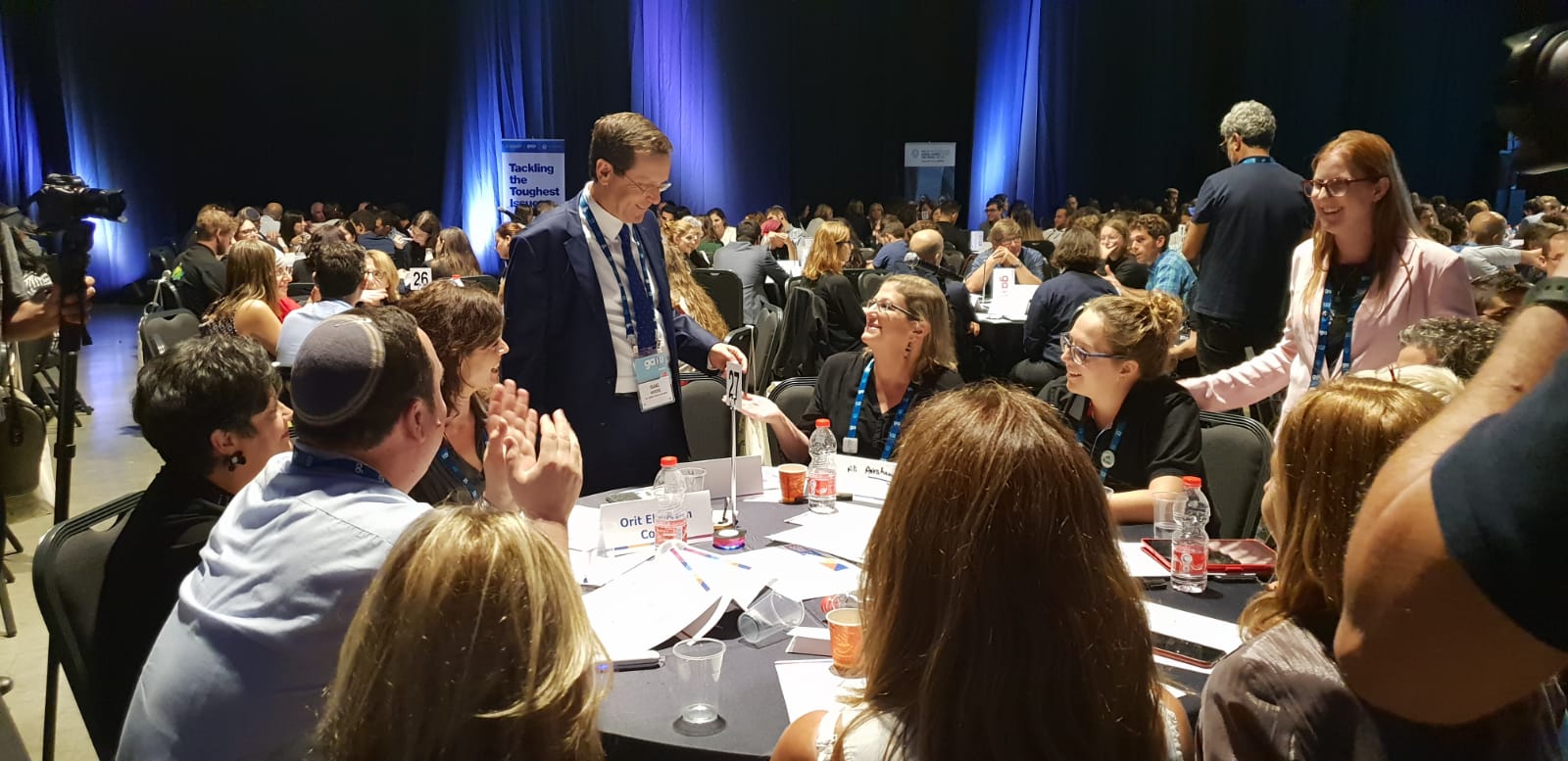
Through the three days, there were kitschily named “Rooftop Raps” and “Dialogue Dens.” There, the moderators used ice-breakers, flashcards, and simultaneously projected voting apps to run their tightly scheduled programs and force connections.
But according to several participants, in many cases, just as the conversations got rolling, it was time to move on to the next topic. The moral of that story? You can talk, but only superficially.

In one case, as an impromptu round-table conversation spontaneously flourished over the use of social media among the impressive 20-something Jewish activists there, a 60-year-old American-born self-proclaimed tech luddite wondered loudly, “How can this help the Jewish people?” For him, this “modern” talk was the end of a discussion; for the activists, it was a fruitful meeting of minds.
Forget learning Hebrew and bringing Israelis and Diaspora Jews together, we can’t even bridge the age gap.
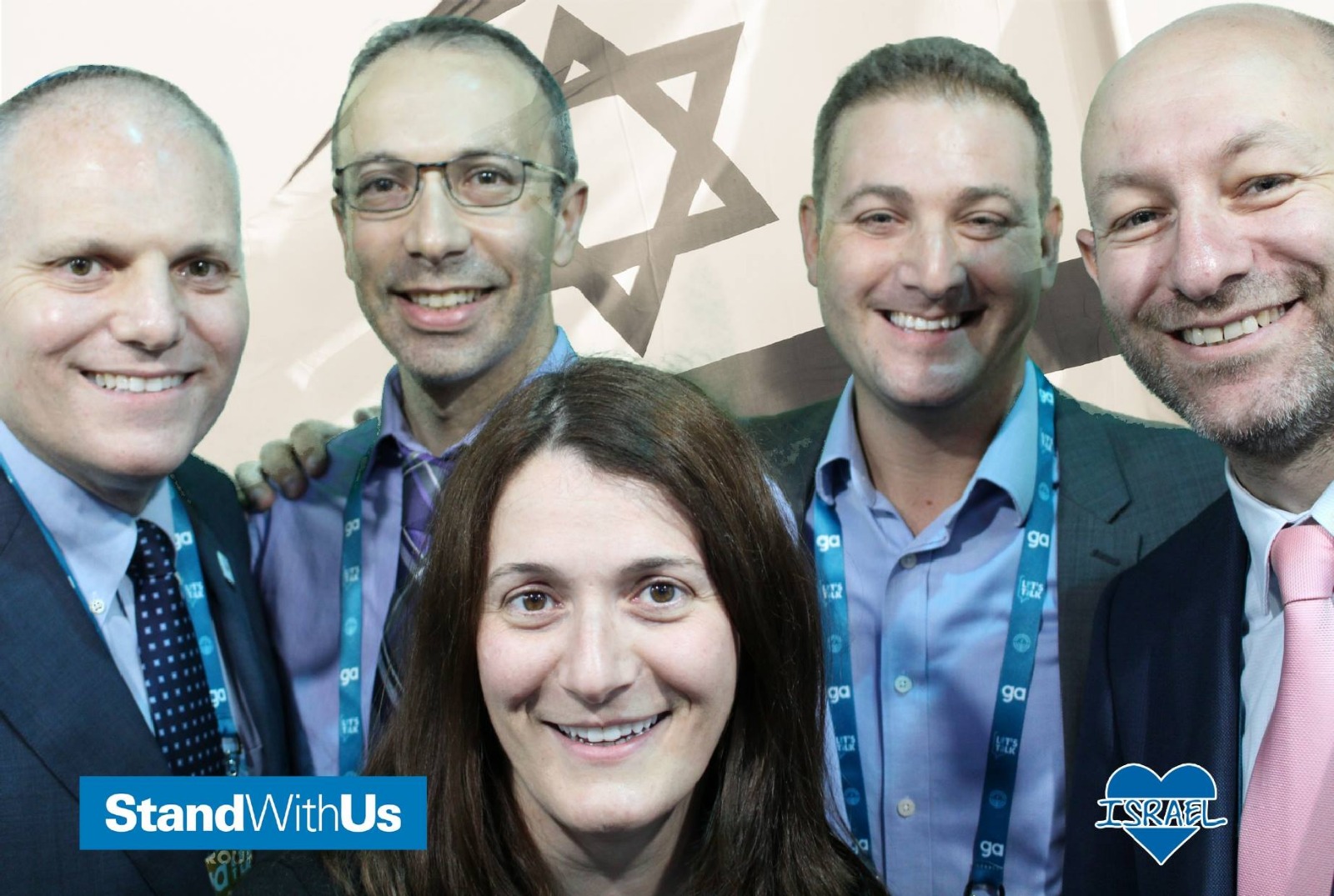
Outside of the programmed plenums and panels, the real magic happened in the halls and lunch tables. There, old friends reconnected over some surprisingly good food, and new friends were made.
For this writer, the most meaningful part of the past three days was an unexpected conversation with an 82-year-old from Palm Beach, Florida. Between cracking jokes and proudly telling stories of his many grandchildren’s recent successes, Sandy Baklor shared the vantage point of a veteran Jewish community volunteer and philanthropist.
Baklor recounted the backstory behind the increasingly evolving tools that are now nonchalantly being used to strengthen the Israeli-Diaspora relationship, from the addition of IDF soldiers to Birthright buses — today widely regarded as one of the most significant pieces of the journey — to the plethora of young adult leadership development programs, such as the JDC’s Entwine.
With a realistic vision of the present aging Jewish leadership, Baklor is passionate about training another generation to whom he and his cohort can pass the baton.
At the end of our discussion, he confidently went off to the exhibition room to see for himself what else can be done. And left this writer feeling very hopeful.









The Times of Israel Community.