

What happens now: A timetable of the process to (maybe) form a government
A look at significant upcoming dates as Israel’s warring political leaders try to navigate the deadlocked election results, prevent a fifth national vote
 Add ToI as a Preferred Source on Google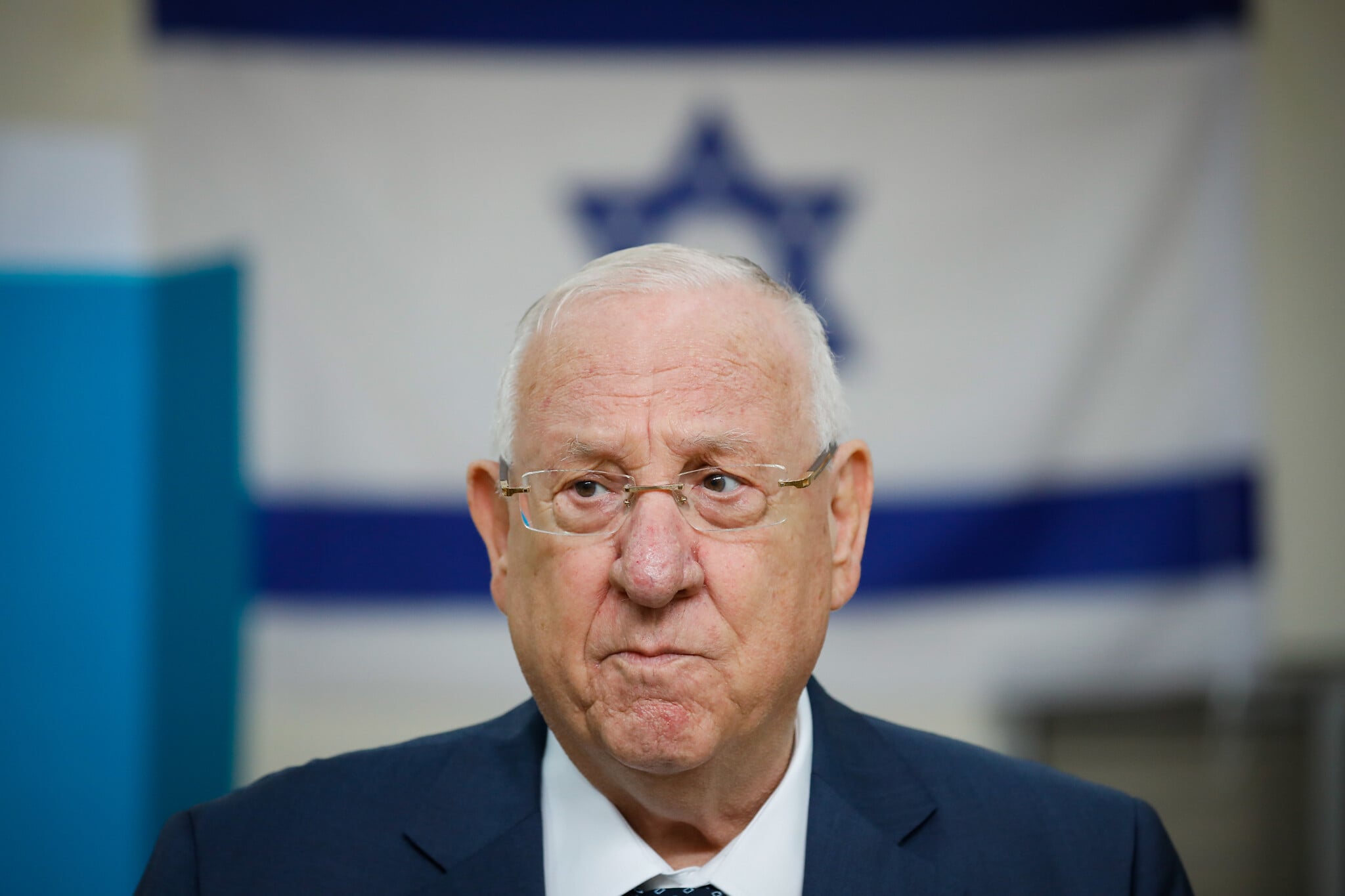
With Israel’s latest election over, attempts to form a new government begin, though at the moment the prospects of those efforts succeeding look about as grim as in the wake of the country’s last three inconclusive national votes.
Below is an approximate timeline for the next stages of the process:
Next Wednesday, March 31, the Central Elections Committee will present the official election results to President Reuven Rivlin. The CEC has noted that though all votes have been tallied, the process is still being double-checked, and until the results are handed over to Rivlin, slight changes are still possible.
However, such changes are at this point unlikely.
A few days later, on April 5, Rivlin will meet with representatives of all elected parties to hear who they recommend be given a mandate to form the next government. This process has traditionally lasted a few days, but after last year’s election it was completed in one.
That same day will see the start of the evidentiary stage of Prime Minister Benjamin Netanyahu’s criminal trial for alleged corruption — the years-long parallel process that is seen by many as the source of the country’s political paralysis. He may be required to attend.

On April 6 the new Knesset’s members will be sworn into office. It remains to be seen whether they’ll get to spend much time there, or whether the legislature is once again disbanded weeks from now.
A day later, on April 7, Rivlin will announce who will be given the mandate to form the next government, based on whom he assesses has the best chance of doing so. That person will then have 28 days — or until May 5 — to present his or her government. If he or she fails to do so by that time, he or she can request a two week extension, until May 19.
If the person with the mandate does not succeed in forming a government, the president can either task a second person with the attempt (for another period of 28 days and a possible additional 14), or send the mandate back to the Knesset, giving the legislature 21 days to agree on a candidate supported by 61 MKs. If the president appoints a second person and that person also fails to assemble a coalition, the mandate automatically returns to the Knesset for the 21-day period. during that time, any MK is eligible to attempt forming a government led by them.
At the end of the 21-day period, if no candidate has been agreed upon by 61 MKs, the new Knesset automatically disbands and the country heads to yet another election. The latest this would happen would be mid-July, with an election some three months later.
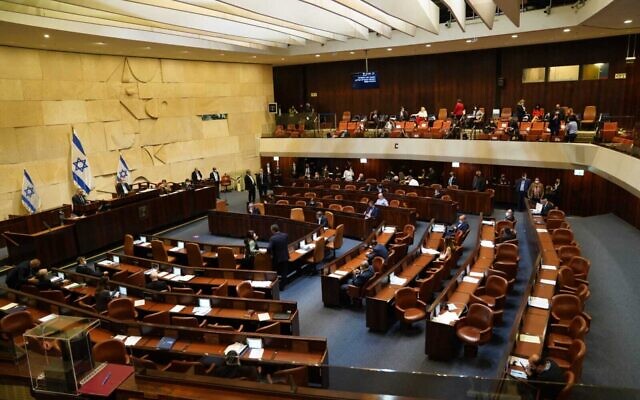
Up until the current political crisis that began in 2019, no candidate tasked by the president with forming a government had ever failed to do so within the initial time limit. However, following the April 2019 election Netanyahu failed to do so, and a Knesset majority voted to disband and hold new elections; following the September 2019 election, both Netanyahu and then Gantz failed to form a government, triggering the 21-day deadline for the first time ever, at the end of which new elections were called; and finally, after the March 2020 election, Gantz was given the mandate and eventually agreed to a power-sharing coalition with Netanyahu, which collapsed nine months later.
With the Knesset once again divided into warring blocs and no clear path to a ruling majority for any candidate, how things will play out in this fourth round remains anyone’s guess.






The Times of Israel Community.