

Yemen’s Houthis threaten potential closure of key Red Sea strait if Gulf states join war
As Iranian proxies keep up attacks, senior official says the Yemeni rebels could also move to close Bab el-Mandeb ‘should the aggression against Iran and Lebanon escalate savagely’
 Add ToI as a Preferred Source on Google
A senior Houthi official warned that the Iran-backed terror group in Yemen could move to shutter the Bab el-Mandeb Strait if any Gulf countries join the US and Israeli strikes against Iran.
The strait, a key shipping chokepoint and narrow passageway that controls sea traffic toward the Suez Canal, is located at the southern mouth of the Red Sea, between Houthi-controlled Yemen and Djibouti.
The threat to the shipping lane would further exacerbate global economic instability, after Iran effectively shut the critical Strait of Hormuz last month.
“We bear a religious, moral and humanitarian responsibility that precludes us from standing idly by,” Houthi Deputy Information Minister Mohammed Mansour told Al-Monitor.
“The option of closing the Bab el-Mandeb Strait is a Yemeni option that can be implemented should the aggression against Iran and Lebanon escalate savagely, or if any Gulf state becomes directly involved in military operations in support of the [Zionist] entity or the United States,” Mansour said.
So far, no Gulf country has officially joined in the US-Israeli war against Iran, though the United Arab Emirates is pushing for the US to launch an operation to forcefully reopen the Strait of Hormuz, and is willing to assist militarily, The Wall Street Journal reported Tuesday.
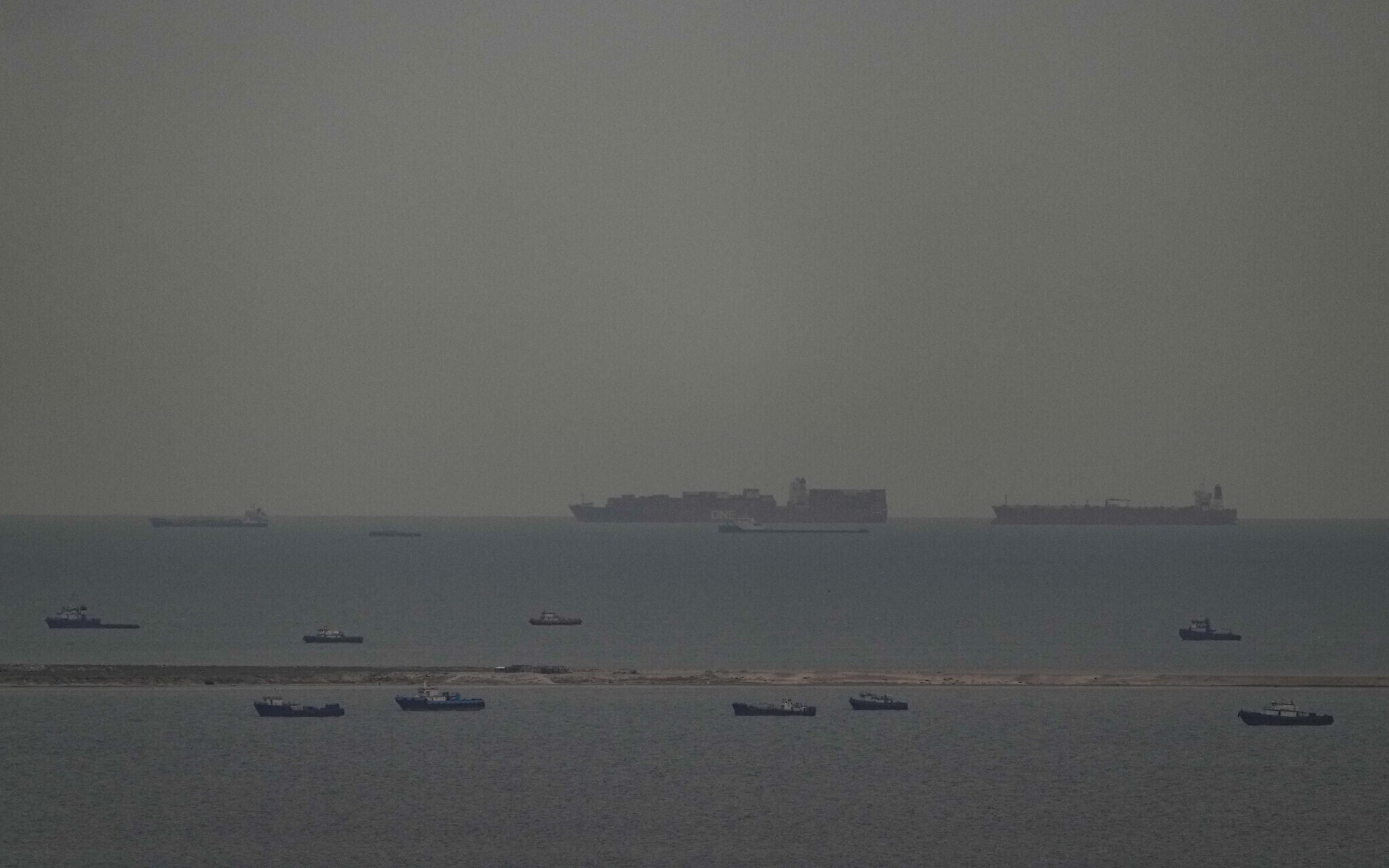
Gulf countries, most of which host US bases, have been repeatedly fired upon by Tehran during the US-Israeli campaign against the Islamic Republic, with concerns mounting over Iran’s closure of Hormuz and its use of the vital waterway, a conduit for a fifth of global oil and liquefied natural gas, as a bargaining chip.
While privately grumbling that they were not given adequate advance notice of the US-Israeli attack, officials from Saudi Arabia, the UAE, Kuwait and Bahrain have conveyed in private conversations that they do not want the military operation to end until there are significant changes in the Iranian leadership or there’s a dramatic shift in Iranian behavior, AP reported Tuesday, citing sources.
The threat to close the strait came a week after the Houthis joined the war, launching ballistic missiles and drones at Israel in solidarity with the regime in Iran. The attacks were the first from Yemen in nearly six months, after the Houthis halted launches due to the October 2025 ceasefire in Gaza between Israel and Hamas.
The Yemeni rebel group — whose slogan calls for “Death to America, Death to Israel, [and] a Curse on the Jews” — first began attacking Israel and maritime traffic in November 2023, a month after the October 7, 2023, Hamas massacre that started the Gaza war.
As the Houthis threatened to further involve themselves in the current conflict, Iran’s other regional proxy groups on Wednesday continued to assist in the Islamic Republic’s fight, with Hezbollah launching rockets and drones at Israel, wounding several, and causing sirens to sound well into the evening during the first night of the Passover holiday.

Iran-backed militia groups in Iraq have also kept up their attacks on US bases and targets in the country with missiles, rockets and drones. The Hashed al-Shaabi, an Iran-backed former paramilitary coalition that is now part of the regular Iraqi armed forces, on Wednesday blamed the US and Israel for a strike in northwestern Iraq that killed two of its fighters.
An official with the group told AFP there were “two dead and six wounded in a Zionist-American aggression” on a position in the Tal Afar district in Nineveh Governorate, near the Syrian border.










The Times of Israel Community.