

6 questions that may hold the key to Israel’s upcoming elections
Will the attorney general indict Netanyahu? Will a new center-left leader rise? How will Gideon Sa’ar fare in a hostile Likud? And will the next coalition be exactly the same?

 Add ToI as a Preferred Source on Google
Marissa Newman is The Times of Israel political correspondent.
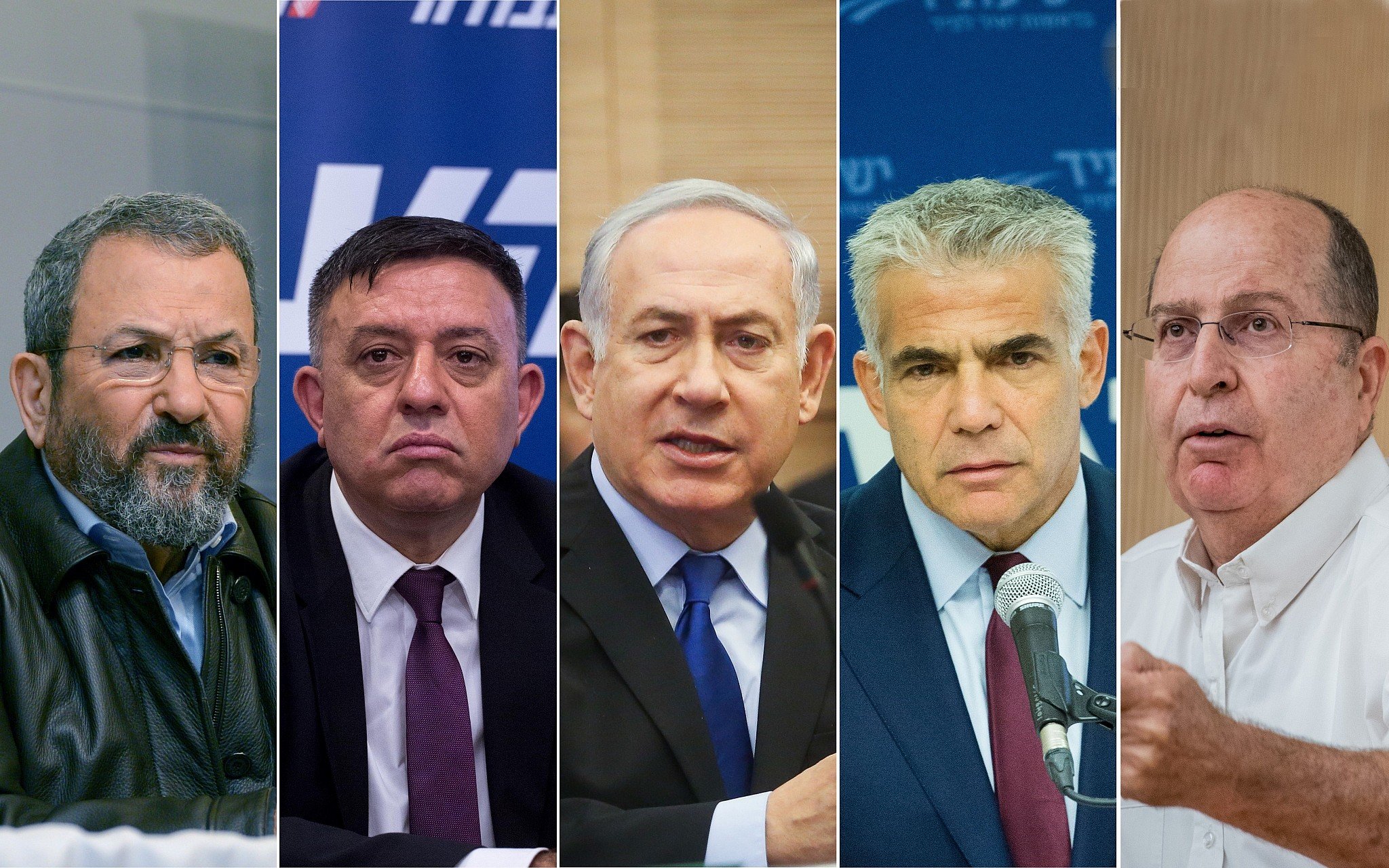
On April 9, days before the Passover holiday, Israelis will head to the polls, seven months earlier than planned, coalition leaders announced on Monday.
The long-anticipated early elections were announced with relative aplomb, after months in which political observers anticipated a dramatic bust-up would bring the coalition down in a slow-motion freefall.
Nonetheless, the upcoming national vote has raised a number of nail-biting questions that could determine the outcome and the makeup of Israel’s next government.
Will the attorney general indict Netanyahu?
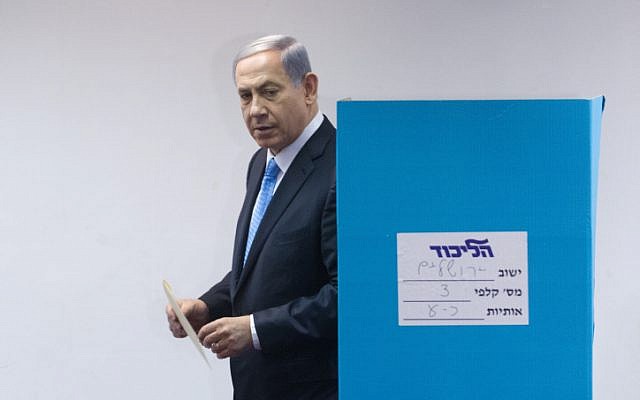
The elections announcement came as Attorney General Avichai Mandelblit began reviewing the criminal cases against Prime Minister Benjamin Netanyahu, with reports suggesting he intended to make a decision on whether to indict the premier by mid-April.
Many analysts suggest Netanyahu’s timing was far from coincidental. The prime minister, they argue, is gunning to secure reelection before an indictment is handed down, under the assumption that the attorney general would shy away from pressing charges against Israel’s longtime leader in the throes of an election campaign.
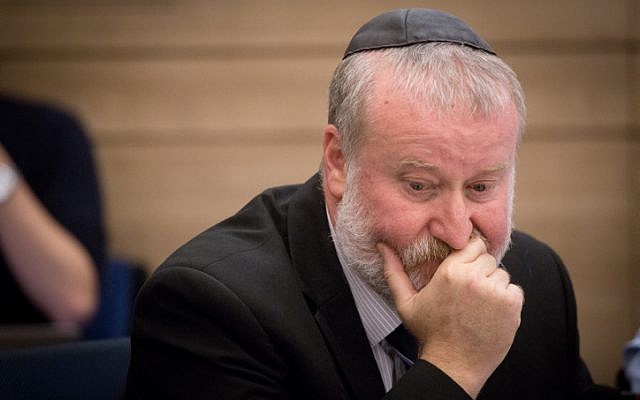
With elections now due on April 9, initial reports on Monday, citing shadowy unnamed legal officials, said Mandeblit would likely delay any such announcement to avoid the suggestion he was intervening in Israel’s political process. Later reports, however, quoting similar anonymous officials, said he could make a decision by February.
The Justice Ministry has denied the attorney general’s work will be influenced by the political developments, and on Monday highlighted its internal directive to continue prosecution work against political candidates even during election campaigns. That same directive, however, also urges prosecutors to exercise caution and — ironically — to consult with the attorney general in particularly sensitive cases.
How Mandelblit, Netanyahu’s former cabinet secretary, proceeds could be a major factor in the race.
Will there be a center-left bloc to challenge Netanyahu?
In the run-up to the election season, Israeli television stations have been running political polls that include a hypothetical party chaired by former IDF chief of staff Benny Gantz. The surveys suggest that a center-left bloc headed by Gantz could give Netanyahu’s Likud a run for its money.
Gantz, who commanded the 2014 Gaza war under Netanyahu, is widely believed to be poised to announce a political run. Though little is known of his actual views, he has been cast as dovish. The former general is also seen as a rare candidate for the center-left with the security chops to challenge Netanyahu’s self-styled and well-burnished “Mr. Security” image.
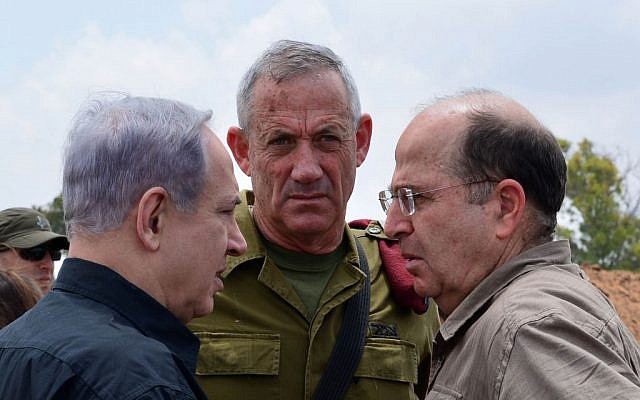
Former prime minister Ehud Barak on Monday said he was considering a political comeback — if a center-left bloc coalesced for him to join. Barak also reportedly met recently with Zionist Union chairman Avi Gabbay, opposition leader Tzipi Livni, and former defense minister Moshe Ya’alon, fueling speculation that such a union could be in the works. Yesh Atid leader Yair Lapid has previously rejected any suggestion he should join such an alliance.
Current polls — notoriously fickle — have placed Netanyahu’s Likud with a solid lead over his rivals, suggesting that no single opposition party could knock him out of the running. A coalition of forces, however, might.
Whether the centrist and left-wing party leaders will be able to iron out their differences and come together could prove decisive for the election — and for Netanyahu.
Will the Likud defame its prodigal son as a ‘putsch’ mastermind?
In 2017, former Likud minister Gideon Sa’ar — long seen as the only realistic internal challenger to Netanyahu — announced his political comeback with a relatively conciliatory speech that saw him say he would not seek to replace the prime minister and merely wants to strengthen the Likud party.
Nonetheless, Netanyahu has since openly attacked Sa’ar, going as far as accusing him of hatching a plot to replace him, calling the alleged plan the “conspiracy of the century.” The prime minister’s loyalists also attempted to advance a bill — now abandoned — that would restrict the president’s powers in picking a political leader to form a coalition after national elections, in a move widely seen as an attempt to stifle the alleged potential rebellion led by Sa’ar.
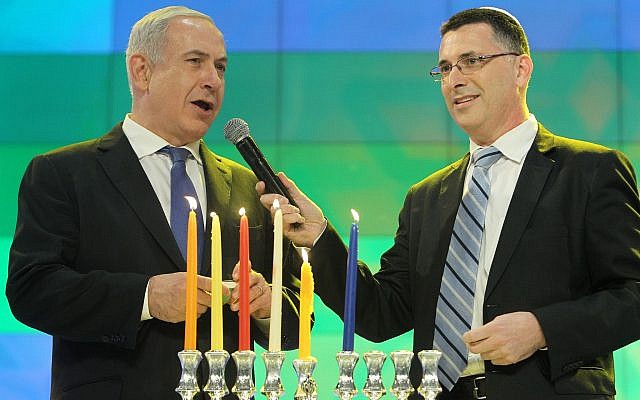
In a possible indication of his larger political ambitions, Sa’ar’s wife, anchor Geula Even, abruptly resigned from the Kan public broadcaster in a live statement on Monday night, hours after the elections were announced.
With Likud primaries in the offing — likely to be held in February — it remains to be seen whether the prime minister will continue to go after Sa’ar to quash a possible rival, whether Likud voters will take the prime minister’s claims about Sa’ar seriously and turn against him, and how the purported upstart will fare in the party vote after three years away from political life.
Will United Torah Judaism remain united and will Joint List remain joint?
Ahead of the national vote, the unity of some parties remains in question.
Leaders from the ultra-Orthodox United Torah Judaism party were expected to meet this week and decide whether its Agudath Yisrael and Degel Hatorah factions will run together or separately in the upcoming April race.
The Haredi factions went head to head in the local elections in October, backing different candidates in various cities in campaigns that frequently turned acrimonious.
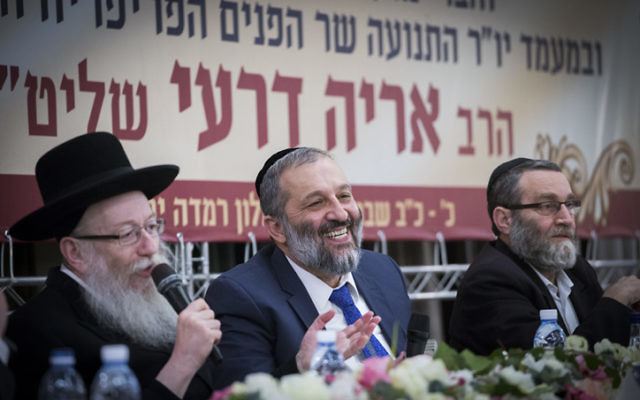
The factions were also at odds over the controversial ultra-Orthodox enlistment bill, with Degel HaTorah said more inclined to support the legislation.
The factions will have to decide whether to run separately, and risk failing to clear the Knesset’s electoral threshold, or stick together despite their differences.
Similarly, it remains to be seen whether the diverse 13-seat Joint List — made up of secular Arab communists, devout Islamists, Muslim feminists, and one left-wing Jew — will hold together, or whether the alliance will revert back to its original four distinct parties.
Also imperiled by the electoral threshold is the Haredi Shas party, after polls over the past year have shown it barely entering the Knesset.
Police have recommended that its party leader, Interior Minister Aryeh Deri, stand trial for allegedly committing fraud, breach of trust, obstructing court proceedings, money laundering, and tax offenses involving millions of shekels. Prosecutors have yet to make a decision on whether to indict Deri, who served 22 months in prison from 2000 to 2002, after he was convicted of taking bribes during his previous stint as interior minister in the 1990s.
What will happen to the Haredi draft law?
Coalition leaders had gathered Monday to discuss a controversial piece of legislation, on the enlistment of ultra-Orthodox men, when elections were abruptly announced.
That move came after MK Yair Lapid announced that his opposition Yesh Atid party would vote against the bill, having previously backed it, claiming that the government was preparing an “under the table” deal that would change the import of the legislation.
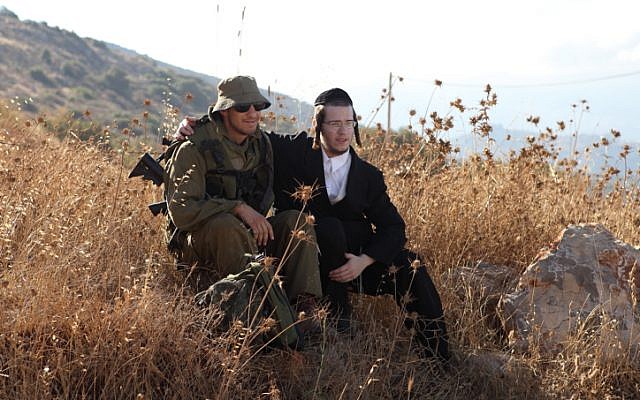
Earlier this month, the Supreme Court granted the government a further month and a half to pass the bill, extending an early December deadline to mid-January. Without the extension, thousands of yeshiva students would have become eligible to be drafted.
As Israel goes to elections, the court will likely grant a further reprieve.
But should Netanyahu win in April, and again fold the ultra-Orthodox parties into his coalition, his government would ostensibly be back to square one on the 70-year-old issue. Should another candidate, from the center-left, emerge victorious, the bill will likely not be seen as sufficiently tough on the issue, inviting revisions.
Will Israel get the same government it had before?
Netanyahu, speaking to journalists after the elections were announced, laid out what he sees as his achievements and said he expected the outgoing multi-party coalition to serve as the “core” for the next one.
“The current coalition is, in my eyes, the core of the next coalition,” Netanyahu said. “We ask for a clear mandate from the voter to continue to lead the State of Israel in our own way.”
Israel’s (often unreliable) polls have in recent months suggested this could happen, placing Netanyahu’s Likud in the lead, and the other current coalition parties raking in enough seats to cobble together another government.
“What is the purpose of going to elections if they are already announcing that afterward there will be almost a totally identical coalition?” mused United Torah Judaism MK Moshe Gafni in an interview with Army Radio on Monday.
But as deadpan Israelis like to solemnly say, one knows how wars begin, but not how they end.
The same could be easily said for Israeli political campaigns.
Times of Israel staff and agencies contributed to this report.








The Times of Israel Community.