

AG rejects Netanyahu’s request to gather extra evidence in graft cases
Mandelblit’s office tells PM’s lawyers ‘no need’ to delay work on probes for more testimony; premier says AG is caving to ‘pressure from the left and the media’
 Add ToI as a Preferred Source on Google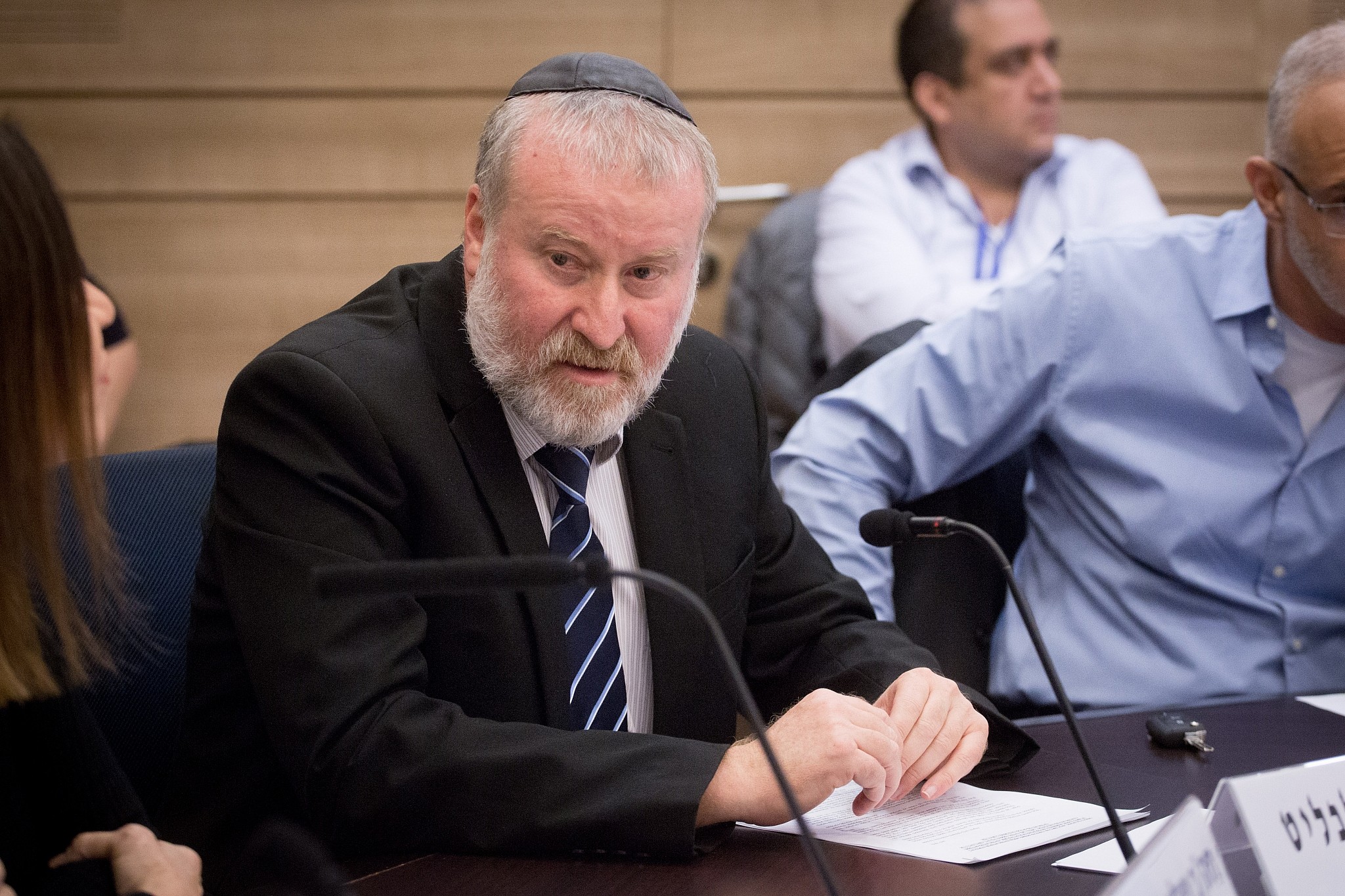
Attorney General Avichai Mandelblit on Wednesday rejected a request by Prime Minister Benjamin Netanyahu’s legal team to interview further witnesses in his corruption probes before reaching a decision on the cases.
“It is the attorney general’s position that at the current stage there is no need for further investigative action,” Mandelblit’s office said in a letter to Netanyahu’s lawyers, stating that the work done up to this point had been thorough.
The decision drew fresh criticism from Netanyahu, who once again accused Mandelblit of “caving to pressure” from the left and the media.
Police have recommended Netanyahu stand trial for bribery in three separate corruption cases. Mandelblit is currently reviewing the material and is reportedly set to announce a decision this month, but final charges would only be filed after a hearing procedure, which could take up to a year.
The prime minister, who has denied any wrongdoing, has called on Mandelblit not to announce whether he intends to indict him, pending a hearing, prior to the April 9 elections, since the hearing process could not be wrapped up before the vote. Netanyahu has vowed to continue leading his Likud party after the elections even if he is summoned for a hearing.
Netanyahu and his defense attorneys have made various last-minute requests for further investigation in the cases — all of which would require putting off the attorney general’s decision.
In a letter dated January 31, Netanyahu’s attorneys asserted that important evidence had not yet been gathered from key witnesses, and complained that time constraints were forcing Mandelblit to base his work on the recommendations of the state prosecution rather than examining the evidence himself.
Mandelblit’s office refuted those claims on Wednesday, saying the attorney general had “personally examined the original evidence wherever he felt it necessary.” It added that the defense team had not yet been shown “the investigative material held by law enforcement officials, and thus the information you possess is incomplete, to say the least.”
The attorney general’s office added that “several witnesses mentioned in your letter, whose testimonies you asked for, have already given testimony… everything has been done as required to get to the truth.”
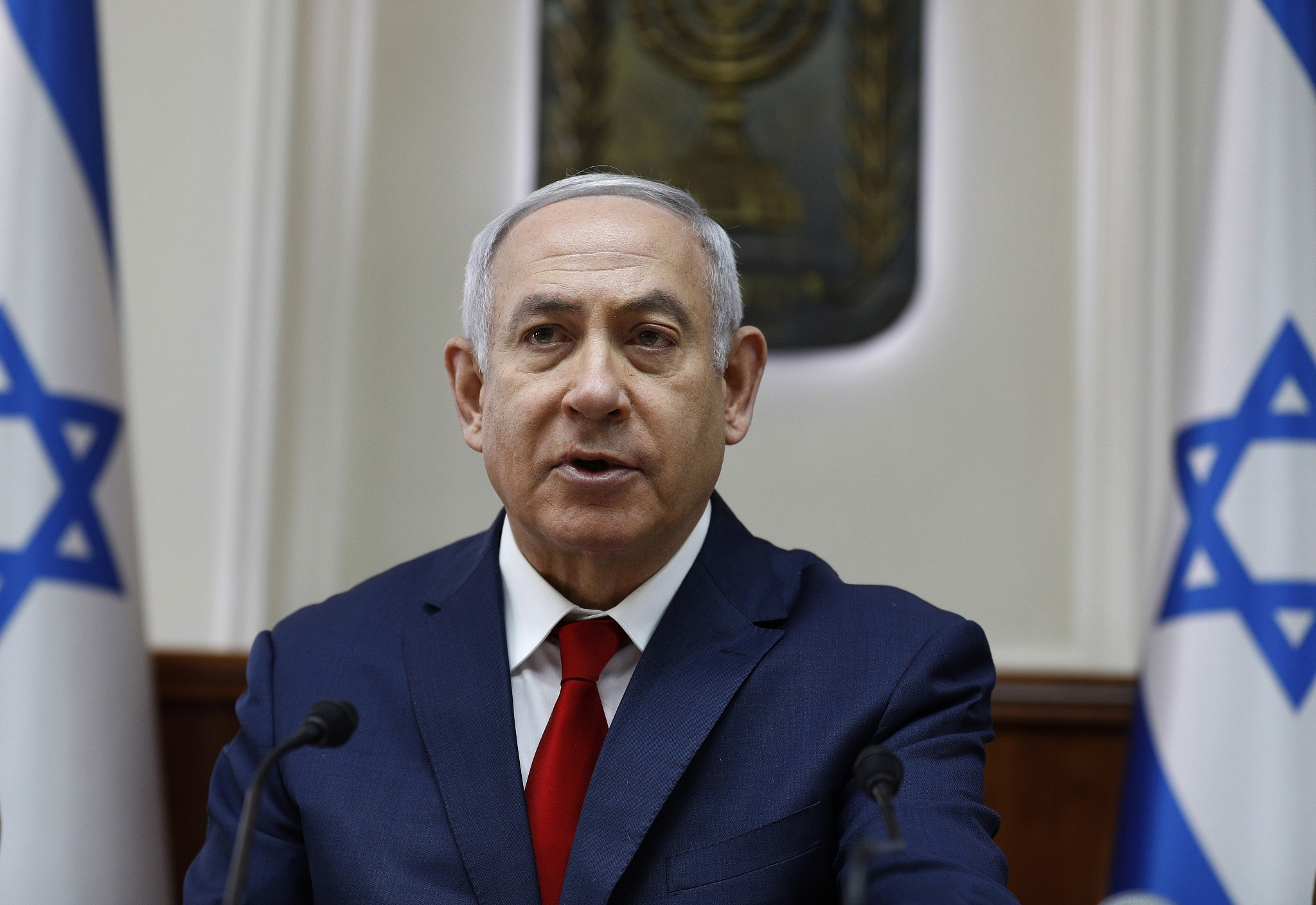
Responding Wednesday to the attorney general’s decision, Netanyahu said in a tweet that it was “unfortunate that the pressure from the left and the media is probably causing the attorney general to rush and announce a hearing before the elections, while the truth will come to light during the hearing process only after the elections.”
The premier claimed the new witnesses would prove his innocence and that the accusations against him would “crash” during the hearing process.
Earlier this month, Mandelblit rejected a request from Netanyahu’s legal team to postpone his decision until after the elections. Netanyahu responded by charging that Mandelblit was failing to do his job properly in rushing to rule on the cases, and claimed that he had “surrendered to the pressure from the left and the media.”
During a live statement on prime time television in January, Netanyahu demanded that police allow him to confront his former aides and colleagues who have reportedly provided incriminating evidence in the three graft cases in which he is a suspect.
Two days later Channel 12 news quoted a source close to the investigation as saying the prime minister had already missed an earlier opportunity to confront those testifying against him, a claim attorneys for Netanyahu rejected.
In Case 1000, Netanyahu is suspected of receiving benefits worth about NIS 1 million ($282,000) from billionaire benefactors in exchange for favors.
Case 2000 involves a suspected illicit quid pro quo deal between Netanyahu and Yedioth Ahronoth newspaper publisher Arnon Mozes that would have seen the prime minister weaken a rival daily, the Sheldon Adelson-backed Israel Hayom, in return for more favorable coverage from Yedioth.
In Case 4000, Netanyahu is suspected of having advanced regulatory decisions as communications minister and prime minister from 2015 to 2017 that benefited Shaul Elovitch, the controlling shareholder in Bezeq, the country’s largest telecommunications firm, in exchange for positive coverage from Elovitch’s Walla news site.
Netanyahu denies any wrongdoing. He has claimed the investigations are part of a witch hunt aimed at ousting him, involving the political left, the media and the police. He has not provided evidence to back up those claims.





The Times of Israel Community.