

An Israeli embassy in Khartoum? Not so fast. This peace deal may take some time
Friday’s normalization announcement speaks of end to ‘state of belligerence,’ promises economic and trade relations; it doesn’t specify full diplomatic ties or reciprocal embassies

 Add ToI as a Preferred Source on Google
Raphael Ahren is a former diplomatic correspondent at The Times of Israel.
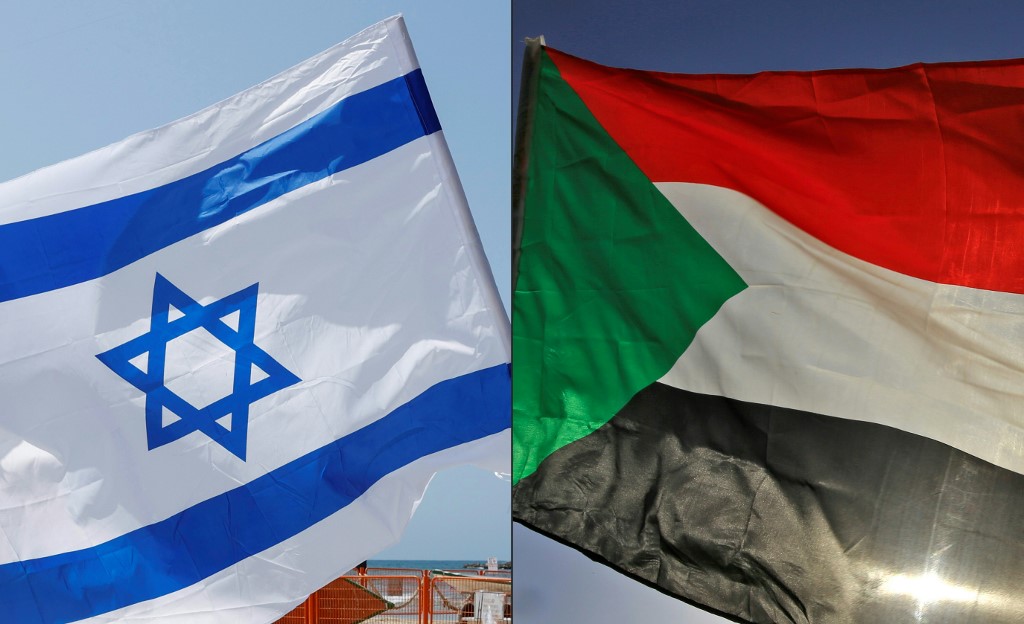
The Israel-Sudan normalization agreement announced Friday was a historic breakthrough, but the path to a formal peace treaty and the establishment of full diplomatic relations may yet be complicated and lengthy.
Only 33 days after US President Donald Trump released a joint statement announcing that the United Arab Emirates had agreed to establish ties with Israel, the UAE and Israel signed a “Treaty of Peace, Diplomatic Relations and Full Normalization.” It took Bahrain exactly as long to move from a vague “Declaration of Peace” to a “Joint Communique on the Establishment of Diplomatic, Peaceful and Friendly Relations.”
Both countries then moved speedily to ratify their respective agreements with Israel.
But Khartoum is a very different case. As opposed to the two Gulf monarchies, the Republic of Sudan, where animosity toward the Jewish state is still widespread, is currently in a fragile period of transitioning from a dictatorship to a democracy; this alone will make the establishment of full ties with Israel a formidable challenge.
Its foreign minister, Omar Gamareldin, has already stressed that a peace deal with Israel would first have to be ratified — by a body that doesn’t currently exist.
“Agreement on normalization with Israel will be decided after completion of the constitutional institutions through the formation of the legislative council,” he said. It is unclear when the civilian and military parts of Sudan’s transitional government will agree to convene this legislative council.
Even if normalization with Israel were to be brought to a formally acceptable vote in the coming weeks, it is by no means guaranteed that it would be rubberstamped by Sudanese officials as easily as the establishment of diplomatic relations was approved in the UAE and in Bahrain.
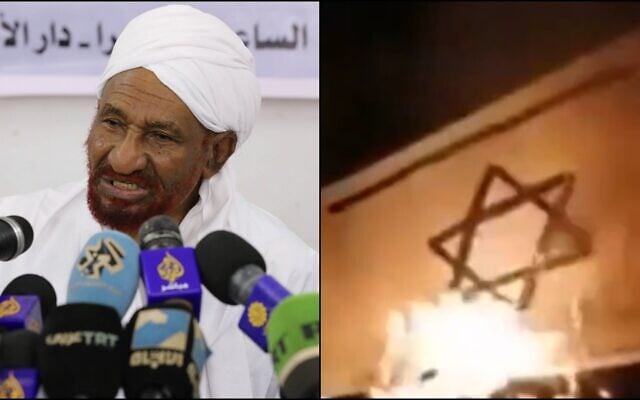
In Khartoum, a broad coalition has formed against the notion of peace with Israel — including the leader of Sudan’s largest party — and vowed to fight the deal.
“Our people will abide by their historical positions and work through a broad front to resist normalization and support the Palestinian people in order to obtain their full legitimate rights,” the so-called National Consensus Forces, which consists of four parties, said in a statement.
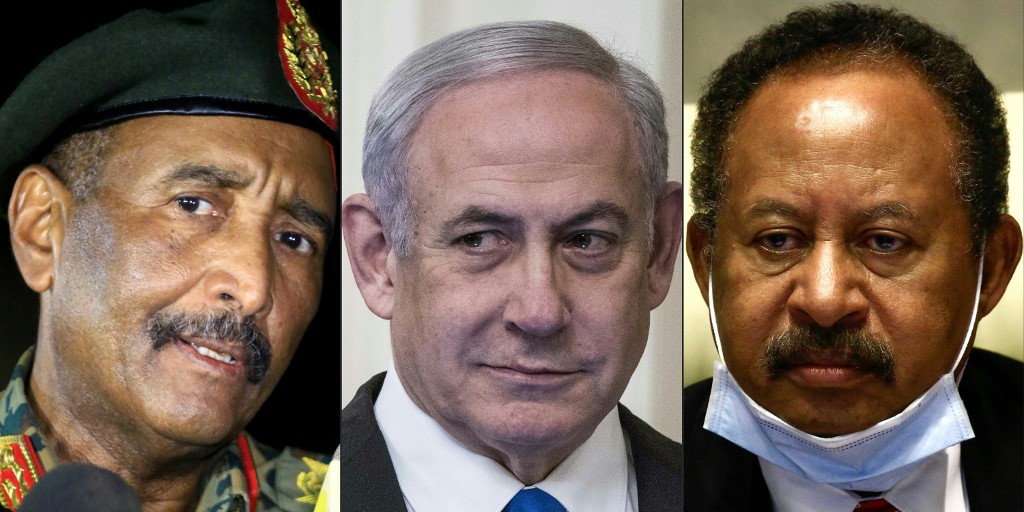
The joint statement by Prime Minister Benjamin Netanyahu, Trump, Sudanese Chairman of the Sovereignty Council Abdel Fattah al-Burhan and Sudanese Prime Minister Abdalla Hamdok issued on Friday also offered a few hints that the normalization process between Khartoum and Jerusalem would look different from the deals with the UAE and Bahrain.
“The leaders agreed to the normalization of relations between Sudan and Israel and to end the state of belligerence between their nations. In addition, the leaders agreed to begin economic and trade relations, with an initial focus on agriculture,” the statement read.
They also vowed to start negotiating “agreements of cooperation in those areas as well as in agriculture technology, aviation, migration issues and other areas” and resolved to “work together to build a better future and advance the cause of peace in the region.”
The statement says a lot by what it does not say. For a start, it does not specify “full normalization of relations” or the establishment of diplomatic ties. It does not provide for the reciprocal opening of embassies. And it does not refer to the Abraham Accords, the US-brokered statement endorsing religious tolerance signed at the White House last month by Israel, the US, the UAE and Bahrain.
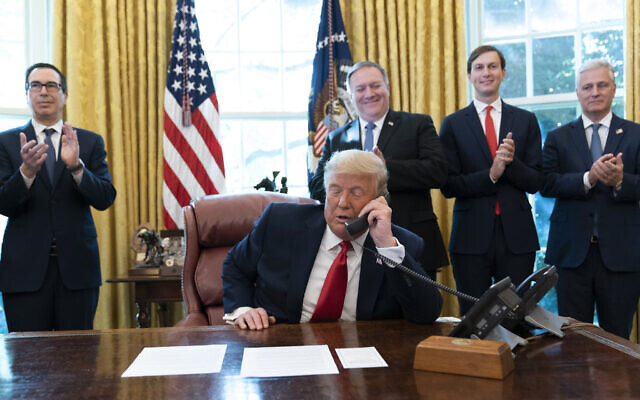
Friday’s statement is merely a political declaration about future intent, similar to the August 13 joint statements issued by Trump, Netanyahu and the UAE’s Crown Prince Mohammed bin Zayed al Nahyan, and the September 15 “Declaration of Peace” with Bahrain. It is not a treaty and has no legal status.
Still, even in their preliminary declarations, both the UAE and Bahrain promised “full normalization of relations” and agreed to start discussing the establishment of reciprocal embassies, language absent from the joint statement about the Sudan deal.
On Saturday, Netanyahu announced that an Israeli delegation will head to Khartoum “in the coming days to complete the agreements.”
The exact nature of bilateral relations, and if and when we’ll witness the signing of a peace treaty and the opening of embassies, will to a large extent be determined by the upcoming talks.
The outcome of the US presidential election and domestic political situation in Sudan will also play a role.
As things stand, however, it looks likely that it will take more than 33 days before Friday’s announcement can culminate in a bona fide peace agreement.







The Times of Israel Community.