

As Arab Israelis embrace mental healthcare, unseen crisis emerges
A mere 2.7% of Israel’s clinical psychologists are native Arabic speakers, and while demand for therapy increases, few in the community finish tough career path
 Add ToI as a Preferred Source on Google
Dov Lieber is a former Times of Israel Arab affairs correspondent.
Arabs in Israel suffer from a severe lack of mental healthcare professionals who can speak their language, experts and government officials said this week.
The 1.5 million Arab citizens of Israel are 20 percent of the state’s population. Yet a mere 2.7% (175 in total) of the country’s registered clinical psychologists are native Arabic speakers.
This has led to a crisis in the Arab community in which people in desperate need of therapy, including those who may be suicidal, could end up waiting up to half a year for treatment. Unlike physical medicine, psychological care requires the caregiver to be linguistically and oftentimes culturally suited to the patient.
“You cannot call it a lack. It is a complete absence,” Joint List MK Hanin Zoabi told The Times of Israel.
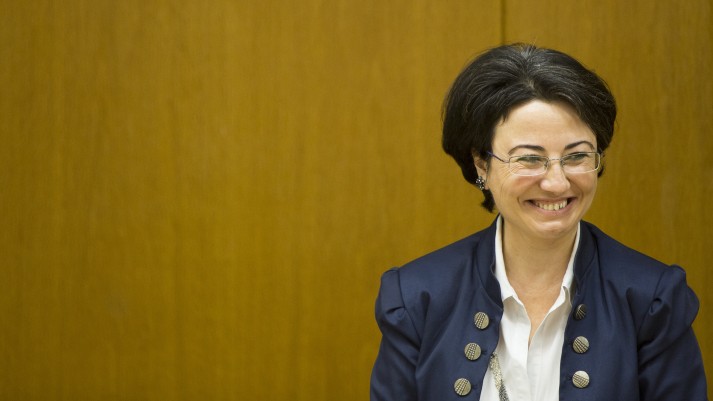
Zoabi, who has been working on the issue for years, argued that several factors are responsible for the current situation, including that only a tiny percentage (4%) of students studying psychology are Arab. Additionally, she argued the competition for internships is too high, with only the top 10% being accepted.
The lawmaker said such a policy disregards the urgent need to increase the number of Arab psychologists. She advocates a system that would allow qualified Arab candidates not in the top 10% to get internships, similar to affirmative action in the United States.
The lawmaker also claimed that there are too few clinics in Arab towns to provide enough Arabic language internships and that there are not enough scholarships for Arabs in the field.
Idit Saragusti, coordinator of the mental healthcare department for the Israeli rights group Bizchut, argued that the problem is so acute because it appeared it so suddenly.
After massive nationwide reform in 2012 added mental healthcare to public medicine, and, at the same time, more local health clinics were established in Arab towns, it suddenly became clear there was a dearth of Arab psychologists, Saragusti explained.
Additionally, once mental healthcare became a public service, some would-be doctors have generally become disinclined to enter the less lucrative market, opting instead for a medical specialty suited for private practice.
This has made it more difficult to find young Arabs ready to embark upon the long path to become a clinical psychologist, which could take a total of 10-12 years, Saragusti said.

Israel’s Health Ministry has not been blind to the shortage.
The ministry convened a round table in February, which included representatives from the Council for Higher Education, academia, hospitals for mental healthcare, the Finance and Social Equality ministries and national health clinics.
During the meeting, according to the Health Ministry spokesperson, several recommendations were made to increase the number of Arabs in mental health professions.
These recommendations, which hewed closely to Zoabi’s criticisms, included: increasing awareness of the problem for students before they begin their bachelor’s degrees, certifying caretakers “with the cultural ability to serve the Arab sector,” increasing the number of those accepted into psychology programs, preventing dropouts, and increasing the number of scholarships and internships for Arabs going into the field.
A total of 17 scholarships have been granted to Arabs to become clinical psychologists since January, the Health Hinistry said.
Despite taboo, ‘over 100%’ of patients remain in therapy
Dr. Katnany Auad, a senior psychiatrist at the Soroka Hospital in Beersheba and manager for the psychiatric healthcare clinic in the majority-Bedouin city of Rahat, said that a stigma for mental healthcare continues to exist in Arabic society, among both possible patients and potential doctors.
“The culture teaches them that they are doctors for crazy people,” Auad said, adding that even his friends sometimes treat his profession with disrespect.
This taboo, Auad admitted, was more pronounced in the poorer Bedouin communities of the Negev than in northern Arab communities.
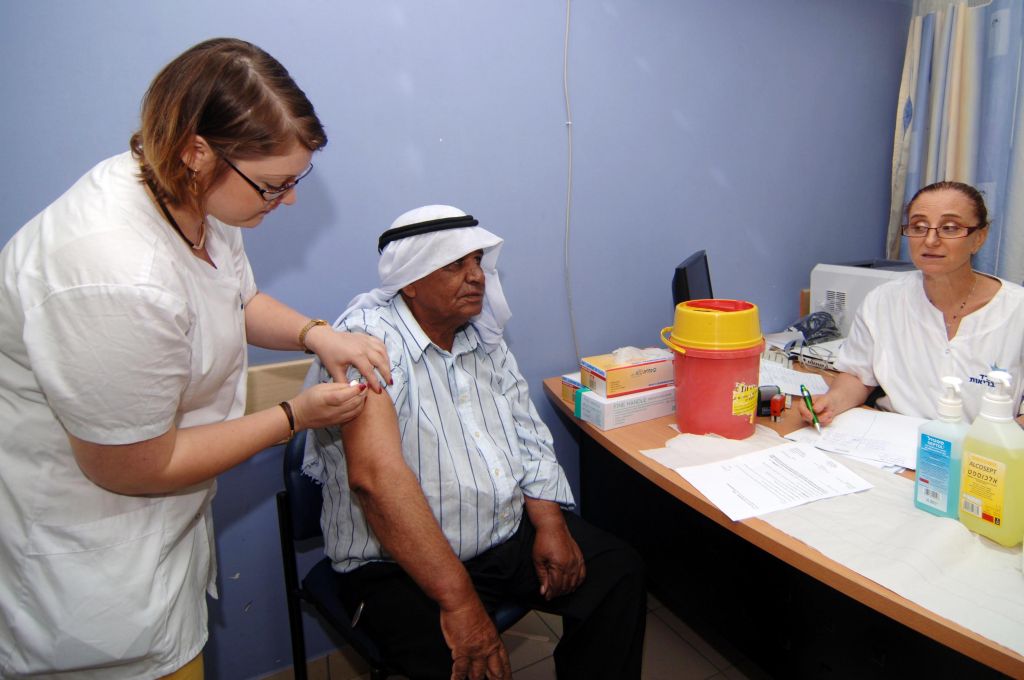
Though the taboo remains, Auad said, since he began working in 2010 at the hospital and started trying to counter the stigma in the local Bedouin community, the number of Arab patients has greatly increased, as has the number of those who remain in treatment.
Whereas only one-third of patients would remain in treatment before, today, the psychiatrist said, more than 100% continue in the process.
“It’s more than 100%,” says Auad, the only Arabic speaking psychiatrist at his hospital, “because if 16 people are on the list for treatment in one day, 17-18 show up to the office.”
As for interns, Auad said his office received two new trainees for children’s psychiatric care four months ago, and Israel’s south, rather than lacking room for Arab interns, was seeking students to fill empty spaces.
The problem, perhaps more than the stigma, argued Auad, was that it just does not pay to be an intern in the field today.
“The sum total of their salary each month is like a bus driver’s,” he said.








The Times of Israel Community.