

Coronavirus or democracy? Which crisis should Israelis be more worried about?
Life-changing moves to battle the virus are overseen by the admirably effective… and deeply mistrusted Netanyahu, who himself conflates national, political and personal interests

 Add ToI as a Preferred Source on Google
David Horovitz is the founding editor of The Times of Israel. He is the author of "Still Life with Bombers" (2004) and "A Little Too Close to God" (2000), and co-author of "Shalom Friend: The Life and Legacy of Yitzhak Rabin" (1996). He previously edited The Jerusalem Post (2004-2011) and The Jerusalem Report (1998-2004).
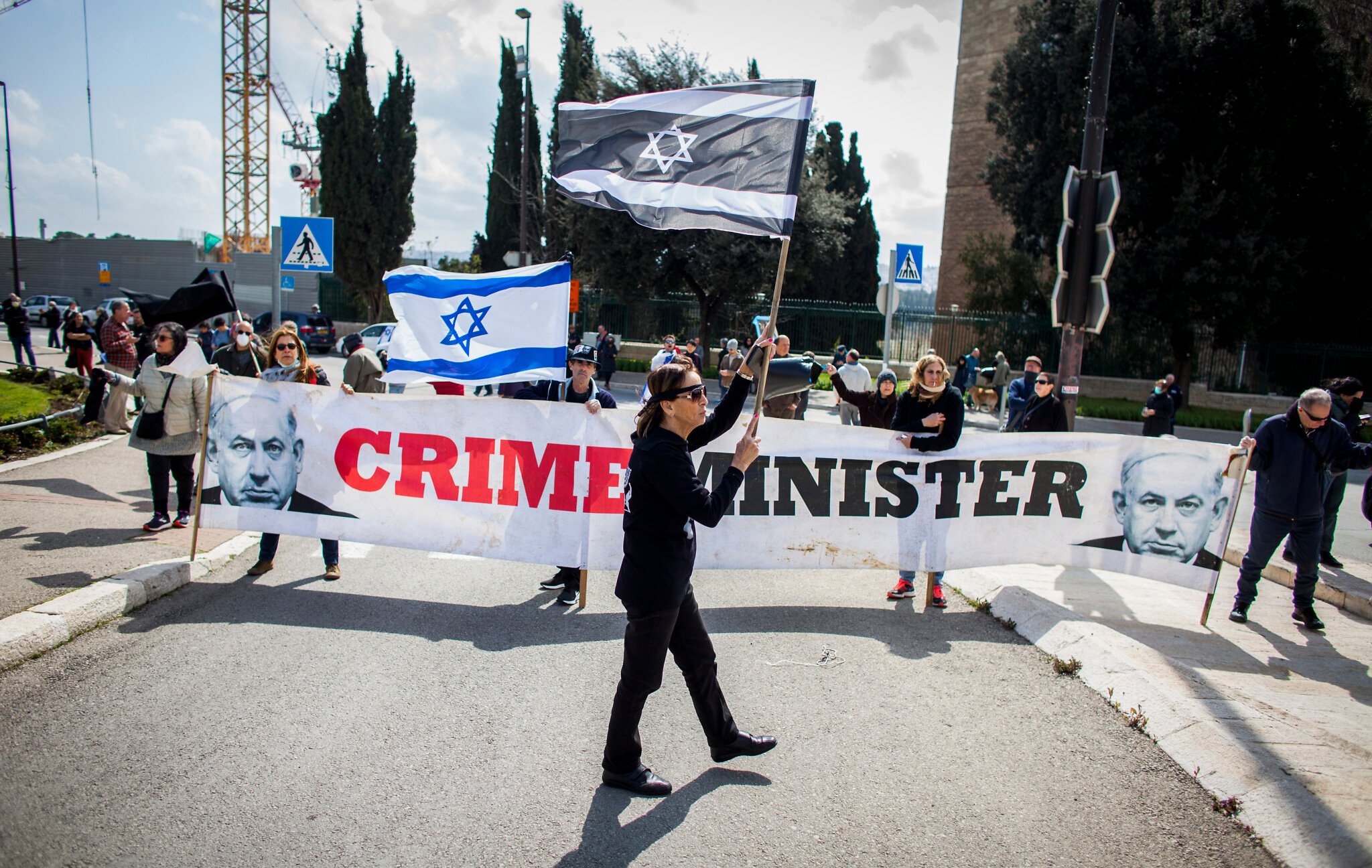
As of Friday, Israelis aren’t supposed to leave home except for the most vital of reasons — things like buying food, getting medical help, going to weddings and funerals in crowds of no more than 10. Oh, and participating in demonstrations.
The inclusion of that “you can still go out and protest” clause on the list of Health Ministry exceptions to the emergency stay-at-home orders neatly symbolizes the dismal intertwining of Israel’s (effective) fight against the coronavirus pandemic with Israel’s (miserable) political and democratic reality.
Having all but sealed its borders and gradually hammered home the message that this virus is highly contagious, infects via droplets of saliva and mucus and can be devastating to the elderly and the sick, Israel has, as of this writing, prevented the numbers of citizens seriously ill with the disease from spiraling out of control.
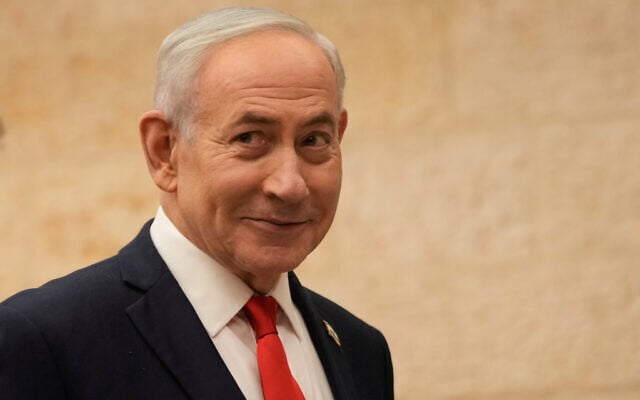
Plenty of credit for this belongs to Prime Minister Benjamin Netanyahu who, as he reminds the nation on a near-nightly basis, placed Israel ahead of much of the international community with a series of measures gradually restricting movement and close personal interaction, to try to thwart the spread of the disease.
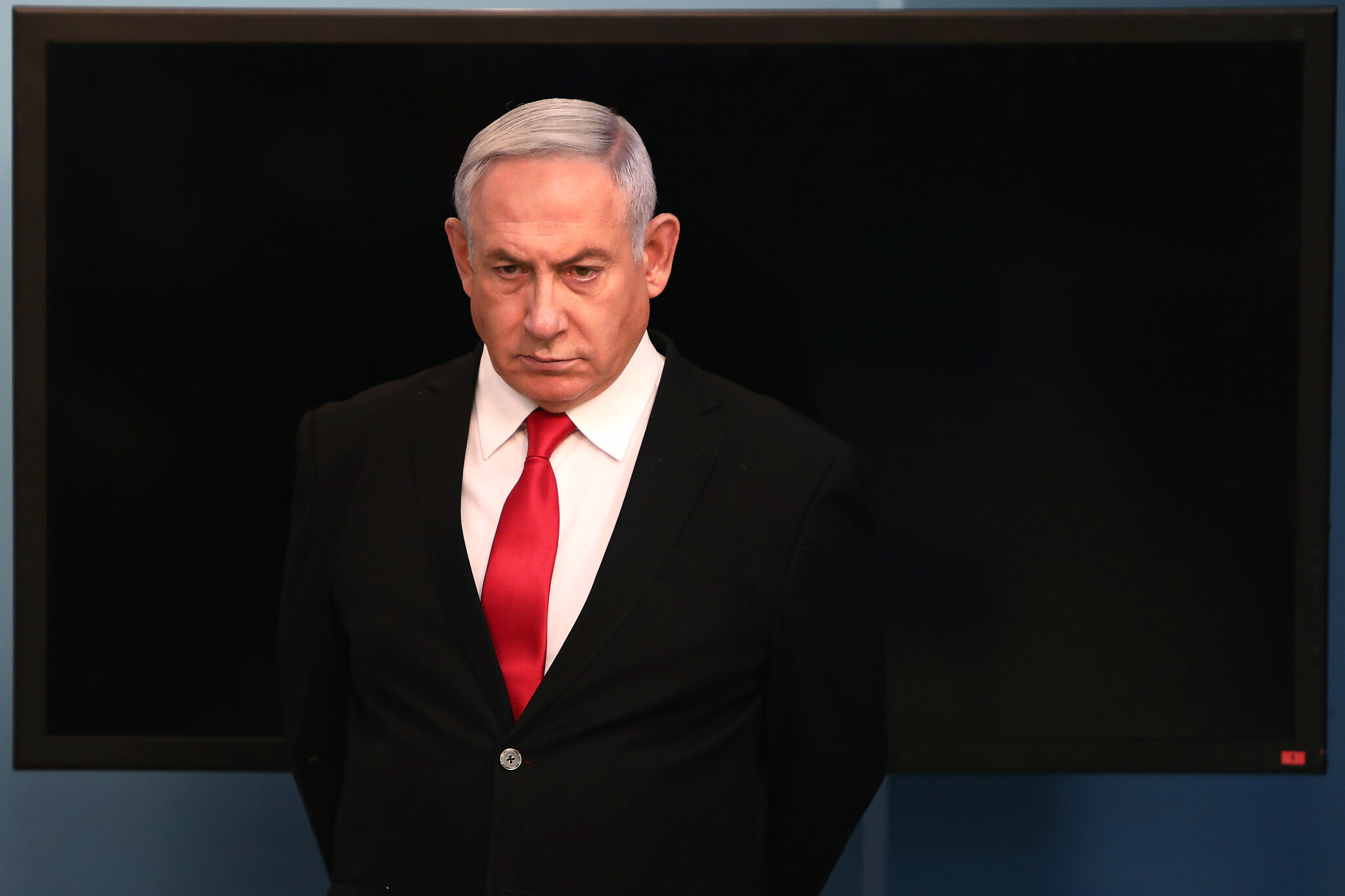
But Netanyahu has also, day after day — directly and via his loyalists — conflated the essential struggle against a deadly pandemic with his own political and personal interests. Along with his articulate explanations of the dangers posed by our invisible viral enemy, his entreaties to the public to act responsibly to defeat it, and his detailing of the latest preventative measures, he has also used his appearances to rail against ostensibly undemocratic efforts to replace him as prime minister, and attempted to publicly shame his political opponents into serving under his prime ministership. (It is his rival Benny Gantz who was tasked by President Reuven Rivlin on Monday with trying to form Israel’s next government, after an election on March 2, the country’s third in less than a year, left neither Netanyahu nor Gantz with a clear route to a majority.)
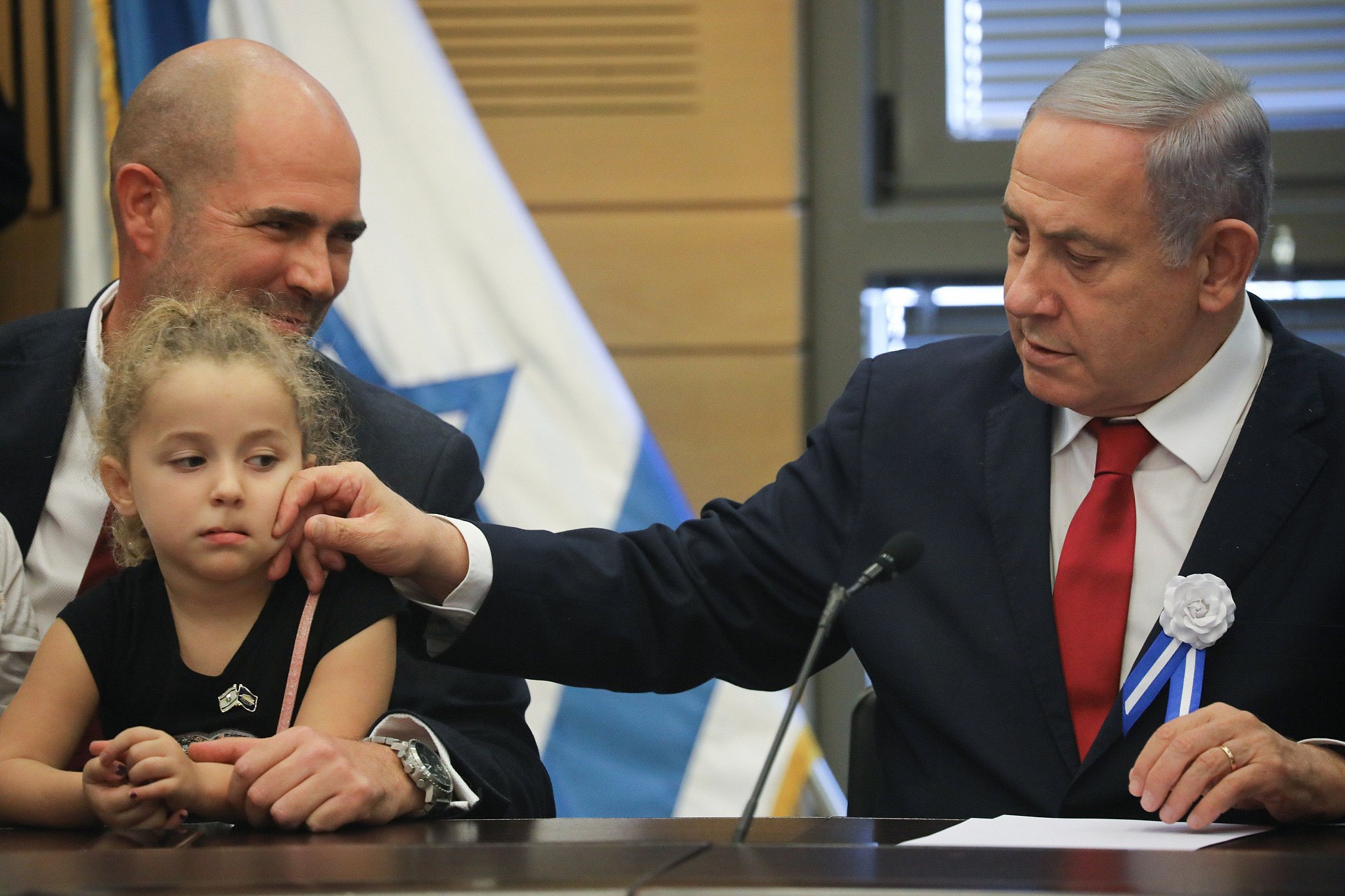
In the pre-dawn hours of Sunday morning, Netanyahu’s ultra-loyalist acting justice minister Amir Ohana (Likud) ordered the shuttering of most of Israel’s courts, leading to the postponement of the opening of Netanyahu’s trial for corruption, which had been set for Tuesday.
On Wednesday, his minister of public security Gilad Erdan (Likud) announced that Israel was now using hugely intrusive digital technology to track the movements of diagnosed Israelis — and potentially anyone in Israel — in order to inform those people who have unwittingly been in 10-minutes or more of close proximity to a virus carrier that they must immediately self-quarantine. A Knesset subcommittee that oversees Israel’s clandestine security hierarchies and activities had been debating the appropriate framework for the use of such surveillance, but had not finalized its work when the digital tracking was pushed through and okayed by the cabinet.
Furious rights groups and political activists, profoundly worried about the possible abuse of the monitoring capabilities, not to mention data falling into dangerous hands, immediately petitioned the Supreme Court, which on Thursday ruled that the potentially life-saving surveillance would have to stop if appropriate parliamentary oversight is not introduced by this coming Tuesday. (Adding to concerns about the Netanyahu government’s capacity to ensure our data is kept safe is the fact that, just weeks ago, in a massive leak by Likud, the entire electorate’s ID details were placed in the public domain. Furthermore, at the start of the month, Likud officials explained that they had raised their tally in the March 2 elections by using an electoral data app of dubious legitimacy, Elector, to “fish” supporters out of their homes to vote.)
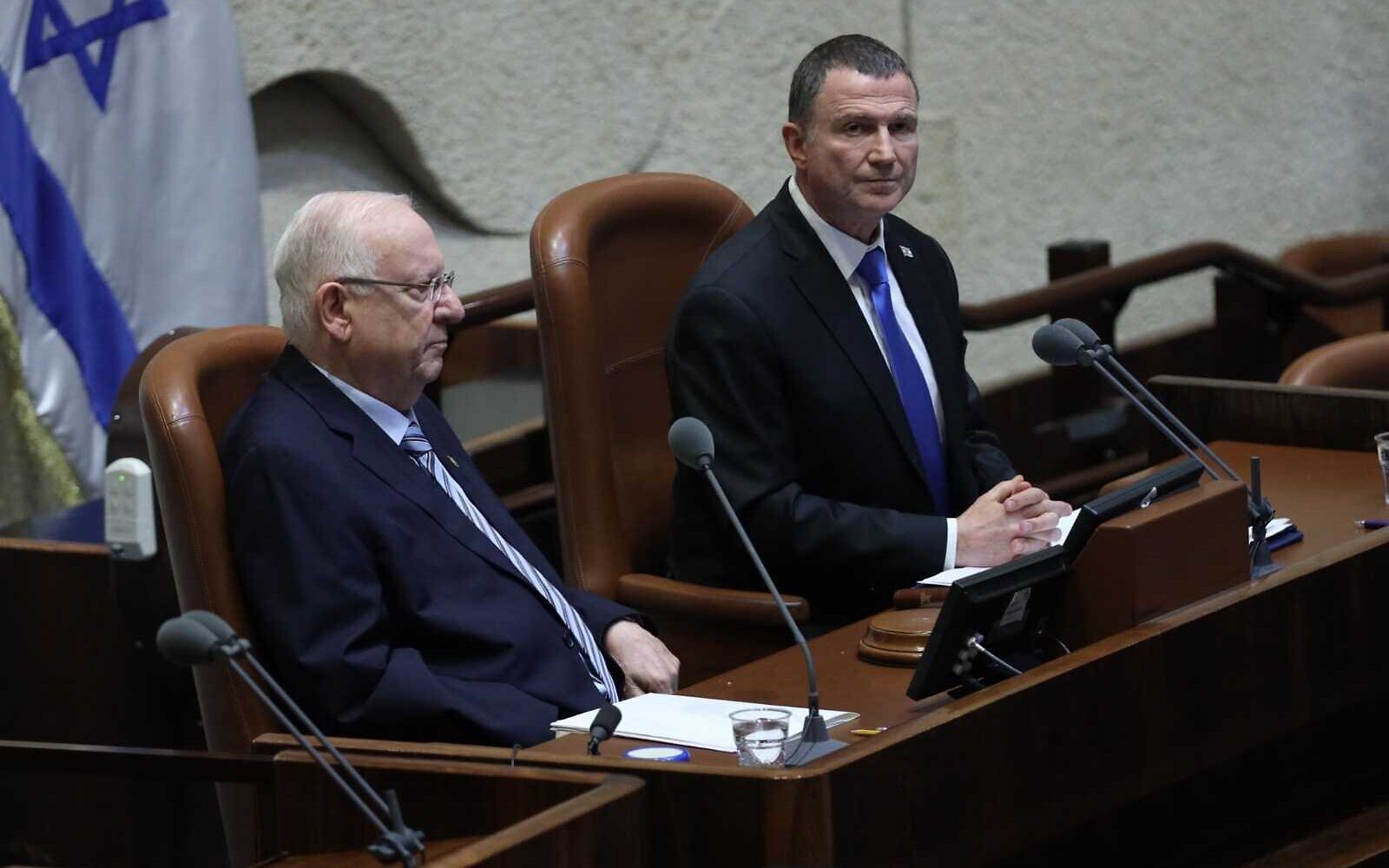
Also on Wednesday, the hitherto quite widely respected speaker of the Knesset, Yuli Edelstein (Likud), took the staggering step of shuttering parliament, amid bitter wrangling between MKs allied with Netanyahu and those loyal to Blue and White leader Gantz, over the composition of the Arrangements Committee, a key body in setting the Knesset agenda. Edelstein raised a series of weak pretexts for this extraordinary move — including the impossibility of getting anything done when MKs are behaving too stubbornly, his desire to see Israel led by a unity government, and the virus regulations barring gatherings of more than 10 people.
Edelstein’s move — which not incidentally also delayed a looming vote in which he is likely to be unseated as Speaker — prompted another slew of petitions to the Supreme Court. Unprecedentedly, it led to a frantic phone call from Israel’s President Reuven Rivlin, who warned Edelstein that he was harming Israeli democracy, told him to get parliament reopened, and then published the content of their conversation.
“A Knesset that is out of action harms the ability of the State of Israel to function well and responsibly in an emergency,” Rivlin told Edelstein, in a politely phrased presidential lashing. Edelstein, who until this week was dreaming of one day becoming president himself, is now promising to restore parliamentary operations on Monday.
When a convoy of protesters headed up from Tel Aviv to Jerusalem Thursday to mount a protest at the perceived cumulative assault on Israeli democracy under the cover of the anti-virus battle, they were intercepted by police for purportedly breaching the rules on public gatherings, which by and large they were not.

These are bad, mad and uncertain times — for all of us humans. To stop a virus that scientists acknowledge they do not yet fully understand, all of human interaction is being remade. We’re advised against hugging and kissing and shaking hands. International travel is grinding to a halt. Jobs are disappearing. Economies are tanking.
In increasing swaths of the planet, we can’t go out for what are deemed non-essential purposes, as though social interaction was anything other than essential.
Cultural, religious, sporting and entertainment events and gatherings — many of the things we most look forward to, and that most preoccupy us outside of work — are rapidly grinding to a halt. The life-cycle events that are often the centerpieces of our lives, everything from births to weddings to funerals, must now take place only in constrained, limited frameworks. The psychological consequences do not bear thinking about.
And as it happens, here in Israel, this rapidly, radically altering framework for our daily existence happens to coincide with an ongoing political crisis, in which our war on the coronavirus killer is being directed, and directed well we broadly think, by a deeply controversial politician. Netanyahu is a leader who has always been divisive, who the state legal hierarchy alleges is corrupt, and who has led an assault on core institutions of our democracy in the past two years as he faced off against police investigators and state prosecutors. Netanyahu is also a leader some of whose reasonable measures to thwart the spread of the disease — the closure of most court functions, for instance is not unique to Israel — just so happen to serve his narrow interests as well.
When his carefully selected ministers and party allies send most of our judges home, when they introduce the monitoring of all our phones, and when they suspend the activities of the parliament that is meant to provide at least some oversight of his government, Israel finds itself in the midst of two crises.
I think it’s the virus we should be more worried about.




The Times of Israel Community.