

Could Biden’s deep Israel ties ease Obama-era tensions?
With long history of support for Jewish state, experts say that if elected US president, Democrat would be embraced by Israel’s political and military class
 Add ToI as a Preferred Source on Google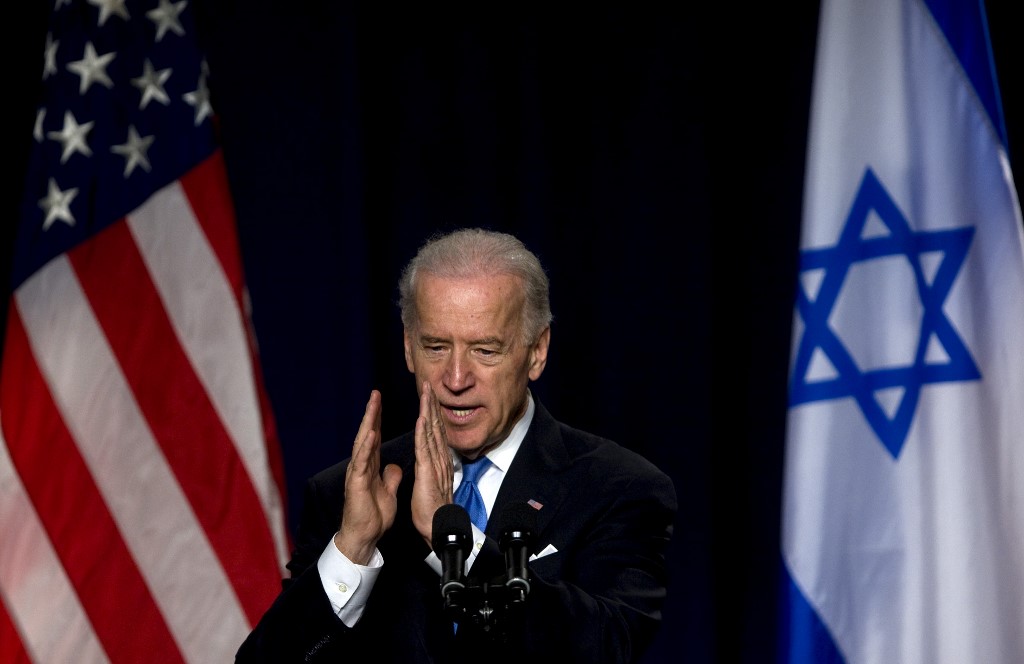
AFP — During Joe Biden’s first trip to Israel in 1973, he met prime minister Golda Meir, who chain-smoked as she detailed regional security threats days before the Yom Kippur War.
Biden, a newly elected senator at the time, later described that meeting as “one of the most consequential” of his life. In the more than four decades since, his career has been punctuated by a staunch defense of Israel, especially in its handling of the Palestinian conflict.
Biden, set to become the Democratic Party’s presidential nominee next week, will face in Donald Trump a president that Prime Minister Benjamin Netanyahu has described as Israel’s best friend to ever sit in the White House.
Netanyahu’s acrimonious relationship with Biden’s old boss, former president Barack Obama, is well documented.
But some experts say a Biden win would be welcomed across Israel’s political and military establishment — not just by Netanyahu’s rivals on the left.
Biden has long been a vocal supporter of the Jewish state, saying in a 2015 speech that the US must uphold its “sacred promise to protect the homeland of the Jewish people.”
Such a history of defending Israel is key to winning the trust of Israeli leaders, perpetually sensitive to international criticism.
“We like people who love us,” said Nadav Tamir, a past diplomat and foreign policy advisor to former Israeli president Shimon Peres.
“There is no doubt Biden is a friend who has very strong emotions for Israel,” he told AFP.
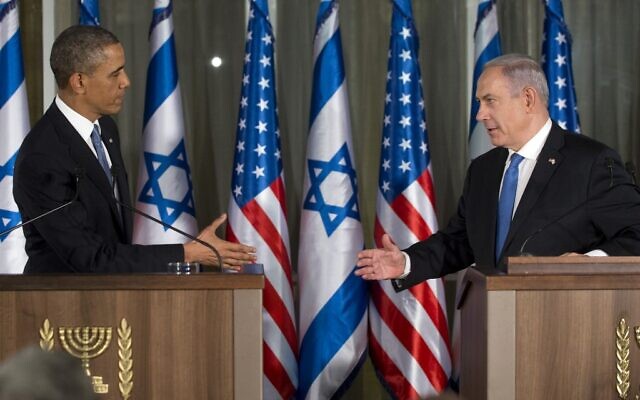
But experts suggested Biden could also restore the traditional American role of interlocutor between Israel and the Palestinians.
The Palestinian Authority has cut ties with Trump, accusing him of egregious bias towards Israel.
Biden “will do much better than Trump on the real issues because he understands that the Israel-Palestinian issue is not a zero-sum game,” Tamir said.
Not just Obama’s VP
Biden served in an Obama administration that often clashed with Israel.
Netanyahu was outraged by the 2015 Iran nuclear deal and, in an unprecedented diplomatic slight, took advantage of a Republican party invitation to condemn it in front of Congress without a presidential invitation.
Just weeks before Obama’s term ended, Washington abstained on a UN Security Council resolution condemning Jewish settlement construction in East Jerusalem and the West Bank, a decision that left Netanyahu fuming.
“We cannot hide it. There is a problem between Israeli officials and the Democrats,” said Eldad Shavit of Tel Aviv University’s Institute for National Security Studies.
But Shavit, a former military intelligence officer who worked in Netanyahu’s office from 2011 to 2015, stressed that Biden was comfortingly familiar to Israel’s political class.
“Biden knows us and we know him,” Shavit said.
Jerusalem embassy
Biden’s record on the Israeli-Palestinian conflict extends beyond the flashpoints of the Obama years.
He supported recognizing Jerusalem as Israel’s capital two decades before Trump triggered global outcry by doing so.
Biden supported a 1995 Senate bill to establish a US embassy in Jerusalem by 1999, saying the move would “send the right signal.”
His 2020 campaign says that if elected, Biden would not reverse Trump’s embassy move, but would reopen a consulate in East Jerusalem “to engage the Palestinians.”
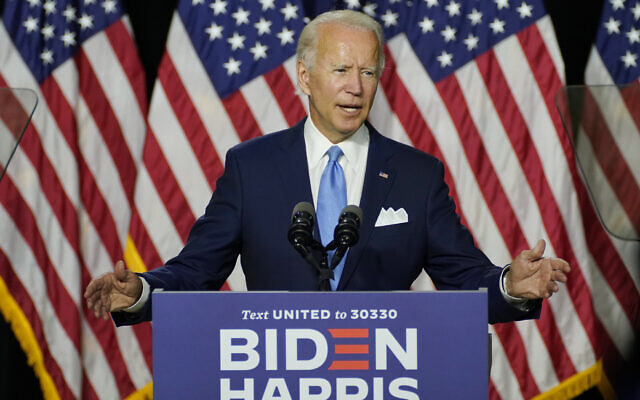
Biden has also dismissed Trump’s controversial Middle East peace proposal as a “political stunt” and pledged to pursue fresh negotiations on a two-state solution with the Palestinians at the table.
The Palestinian Authority was not consulted on Trump’s plan, while Netanyahu’s government gave substantial input.
Political comfort zone
Tamir voiced concern that Biden is steeped in an American political tradition that urges disagreements with Israel to remain discreet.
During the second Palestinian intifada, or uprising, Biden pointedly refused to criticize a 2001 Israeli missile strike in Nablus that killed two children, saying disputes with Israel should be “aired privately,” even after George W. Bush’s administration had publicly condemned the incident.
While Biden has openly criticized Israel since then, Tamir argued that he remains naturally inclined to address pro-Israeli audiences and reference his affection for the Jewish state, absent any tough love.
“He needs to get out of his political comfort zone… (and) leverage his superpower force” on Israel, by pushing it to consider difficult but essential decisions, like seeking a viable resolution with the Palestinians, Tamir said.
As Shavit noted, Biden may be compelled to alter his approach towards Israel because the Democratic Party now includes “more progressive” Israel skeptics, notably supporters of Senator Bernie Sanders, who has called Netanyahu a “reactionary racist.”
Whether he is capable of adopting a tougher public posture towards Israel is an important but “open question,” Tamir said.
He added: “You need to push us, because the Israeli political system is so deadlocked, you cannot reach a historic decision without being pushed.”





The Times of Israel Community.