

Court seeks to avert constitutional crisis in Ronen Bar hearing, while upholding law
Rancorous session on the firing of the Shin Bet chief reflects the national schism over how the country should be run, which the October 7 disaster has only magnified

 Add ToI as a Preferred Source on Google
Jeremy Sharon is The Times of Israel’s legal affairs and settlements reporter
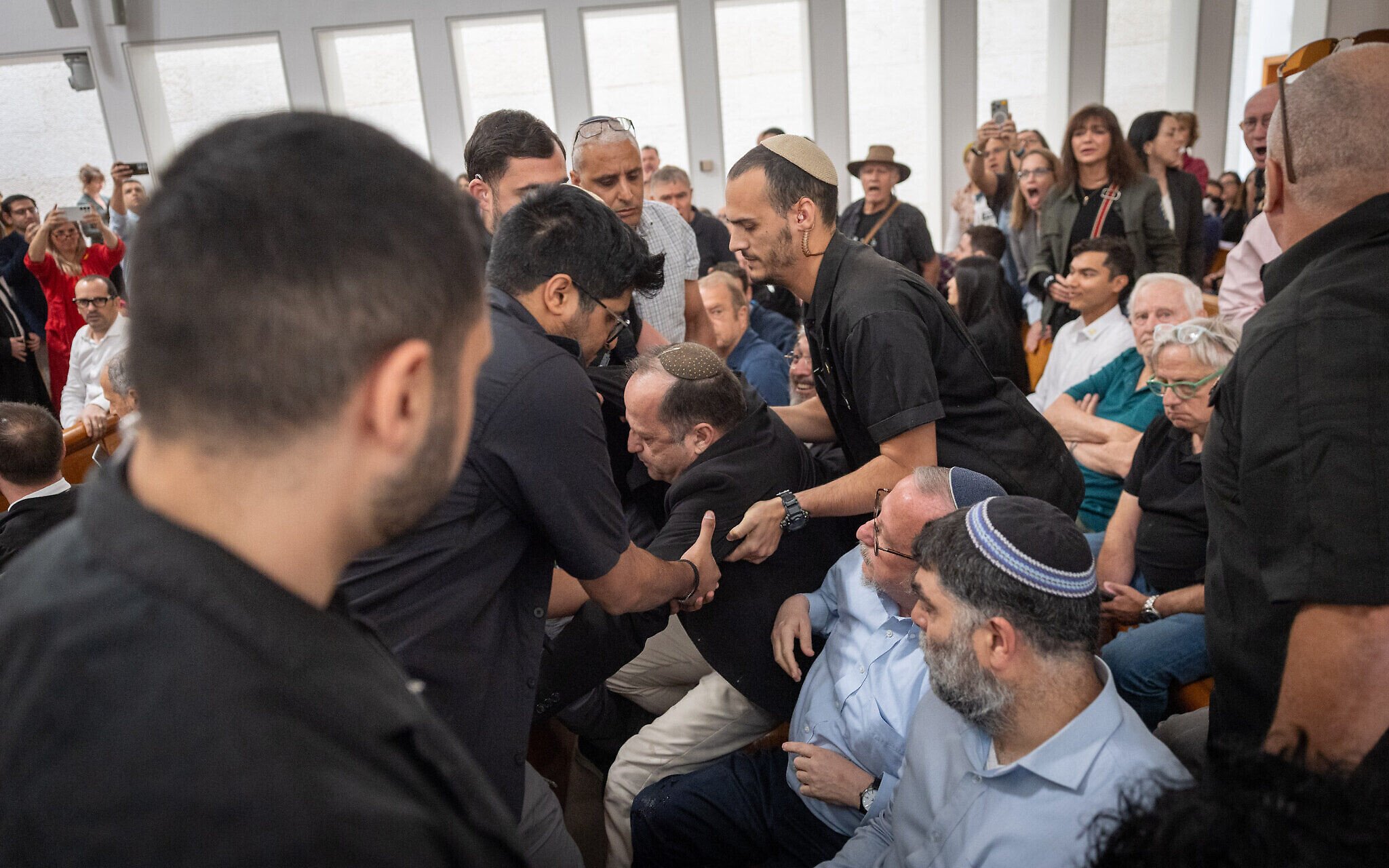
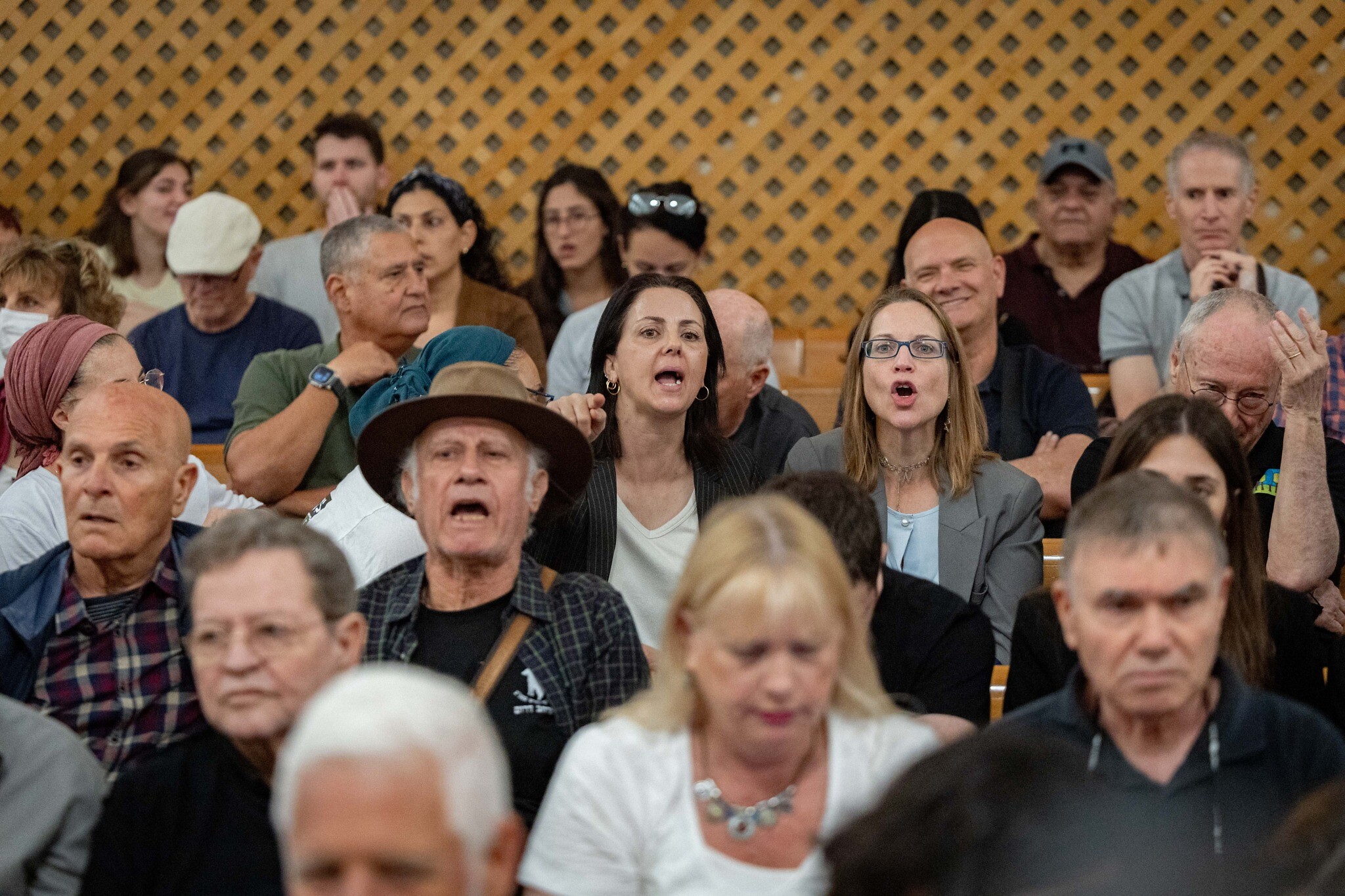
The disturbing scenes Tuesday in the High Court of Justice, where an angry crowd chanted “disgrace” at the presiding judges, appeared in many ways to be the pinnacle, or perhaps the nadir, of the bitter divisions that have emerged in Israel in the last two years over how the country should be run.
The legal dispute over the government’s decision to fire Shin Bet chief Ronen Bar cuts to the very heart of the political and ideological clash that, having festered for years, erupted when the government — at the very beginning of its tenure — embarked on a campaign to neuter the judiciary and the legal establishment.
The fact that the court was considering petitions to stymie the will of the government in firing Bar recalled every aspect of the national schism that the overhaul engendered, and which the cataclysm of October 7, 2023, attack and the ensuing war have magnified.
All the rancor and bile that the overhaul dredged up flooded into the courtroom, with Bar’s failings in the lead-up to October 7 being the proximate cause of the protesters’ outrage.
In firing Bar, Prime Minister Benjamin Netanyahu and his government conducted what appeared, at least to Attorney General Gali Baharav-Miara and the petitioners, to be a rushed and legally flawed dismissal process that bore with it a heavy whiff of political expedience and flouted the rule of law.
Bar’s investigation into the Qatargate scandal; his public declaration that there should be a state commission of inquiry into the October 7 onslaught; and, we subsequently learned, Netanyahu’s alleged request that Bar persuade the court presiding over his corruption trial to postpone his testimony — all combined to induce Netanyahu to fire Bar, the petitioners allege.
But the government and its supporters see in this attempt to intervene in the government’s decision merely the latest effort of the judiciary and the legal establishment to constrain a right-wing government, suppress the will of the electorate, and deny their elected leaders the ability to govern, hire and fire as they see fit.
In examining the position of the three judges presiding over Tuesday’s hearing, as well as that of the attorney general before Bar was fired, the reality appears to be somewhat different, however.
A focus on the procedural flaws
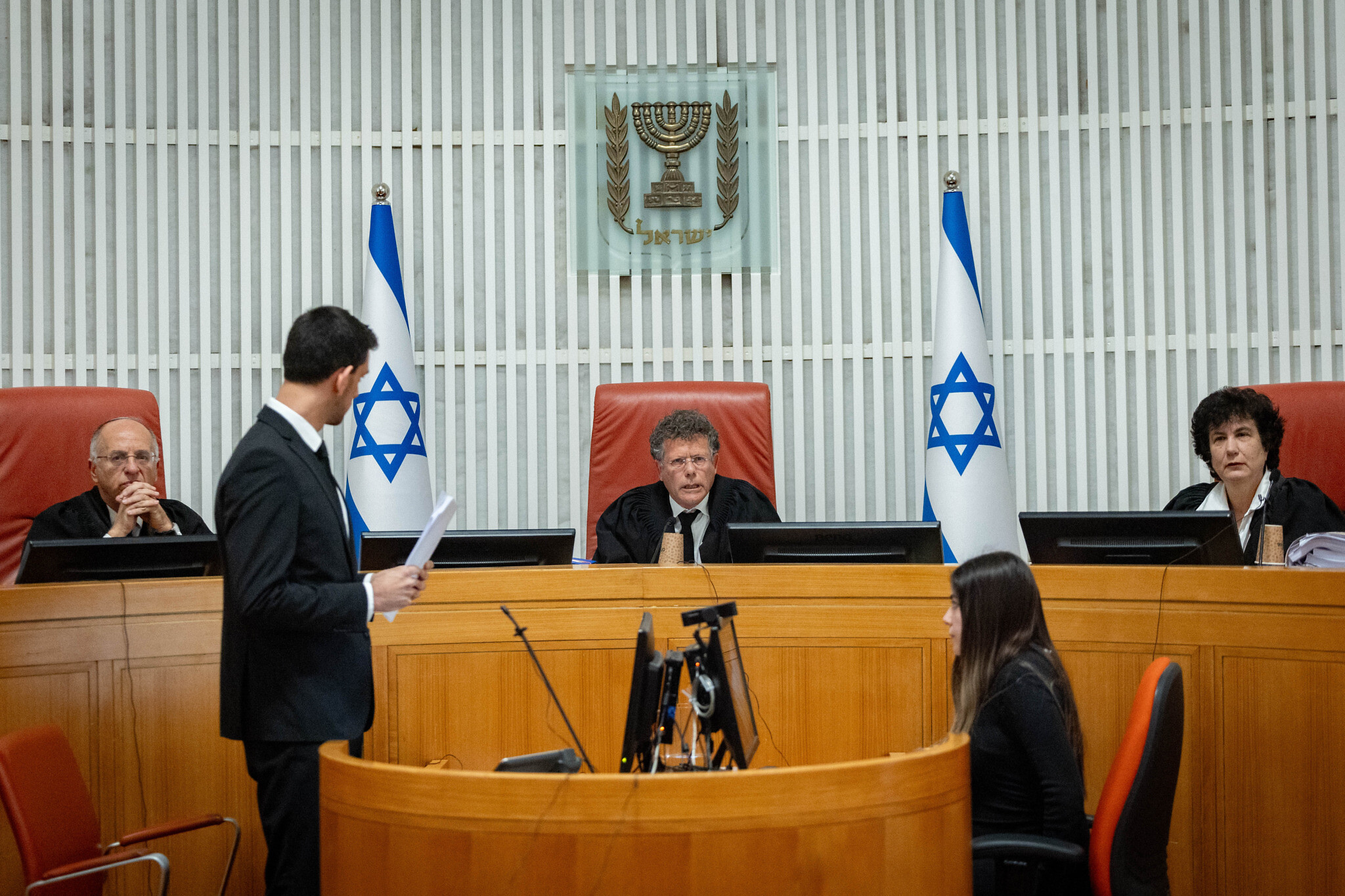
The judges to a large extent were focused on the procedural flaws in his dismissal, noting how the government failed to consult with the attorney general as to its cause for firing Bar; how it failed to tell Bar explicitly why it was dismissing him when it summoned him for a hearing, meaning he could not defend himself; and how it failed to accede to the attorney general’s instructions to consult a key advisory committee for removing him from office.
Crucially, the attorney general never actually told the government it could not fire Bar, but rather told it how to go about doing so if it wanted to comply with the law and proper administrative decision-making.
And that is how all three High Court judges appear to view the affair as well.
Supreme Court President Isaac Amit and Justice Daphne Barak-Erez, both liberals, made multiple comments during Tuesday’s proceedings questioning the legitimacy of how Bar was fired.
They focused in particular on the failure to tell Bar why he was being fired and the failure to consult with the advisory committee as required by a cabinet resolution from 2016.
Incoming deputy president Noam Sohlberg, a staunch conservative, was apparently of similar mind, saying explicitly he was concerned about “the process,” and did not dispute the government’s ultimate authority to fire the head of the Shin Bet.
Despite the endlessly repeated accusations against the court by the current government and the political right that it is overly activist and trespasses too often on the authority of the executive branch, the judges on Tuesday demonstrated a desire not to issue a ruling on this most incendiary political dispute.
If they are forced to rule, it will be against Bar’s dismissal
Sohlberg, despite his skepticism of the government’s position, was the first to suggest a compromise, proposing the government and the attorney general refer the matter to the advisory committee.
The formal decision of the court on Tuesday night was, however, merely to urge the government and the attorney general to find a way themselves to compromise on how to adjudicate the dispute over Bar’s dismissal, instead of having the court issue a final ruling.
The judges were essentially trying to avoid ruling on the petitions, since they know that in issuing a final ruling they have little option other than to declare Bar’s dismissal unlawful, given the multiplicity of procedural flaws the government committed when firing him.
It is this clash and the constitutional crisis it would likely precipitate — as threatened by Justice Minister Yariv Levin — which the court appears anxious to avoid.
Sohlberg’s proposed solution is also telling, suggesting that by bringing the matter to the advisory committee, the government could come into compliance with the original instructions of the attorney general that its very effort to circumvent resulted in Tuesday’s hearing, thus remedying the serious procedural flaws it committed when firing Bar.
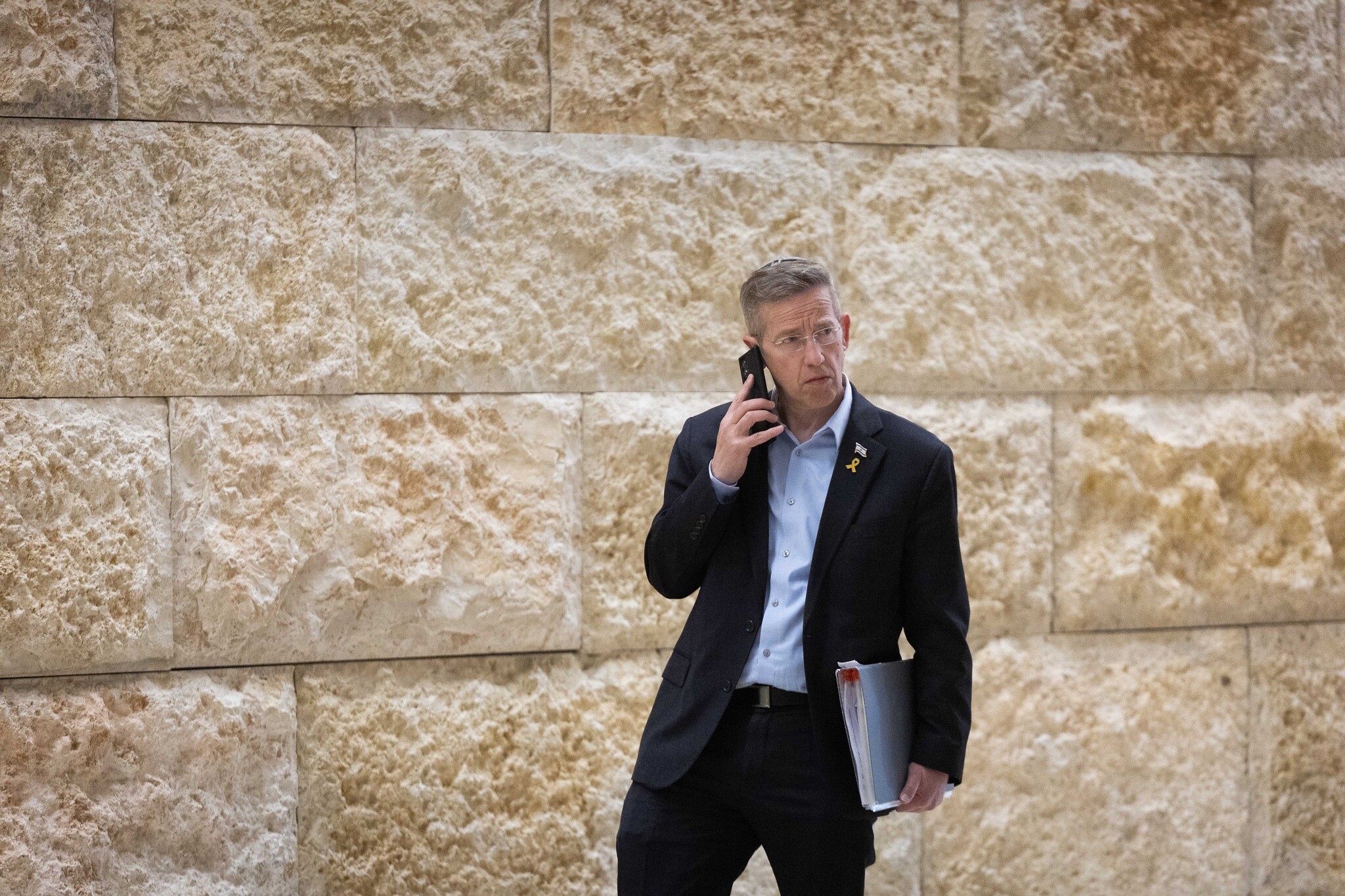
Cabinet Secretary Yossi Fuchs, who was present in court, appeared willing to consider such a solution, or at least the suggestion that the two sides compromise, prompting the judges to formalize their bridging proposal.
If the government were to cogently present its case and its cause for firing Bar to the committee, explaining its loss of trust in him due to the Shin Bet’s failings with regard to the October 7 invasion, then the committee might well approve of the government’s decision to exercise its legislatively mandated authority to terminate his tenure.
The government would be satisfied, the court would be satisfied, and the attorney general might be mollified, even if the petitioners would be mortified.










The Times of Israel Community.