

Election officials said refusing to tally ballots by quarantined Israelis
Boxes of slips cast by citizens suspected of carrying coronavirus remain untouched over fears of infection, reports say
 Add ToI as a Preferred Source on Google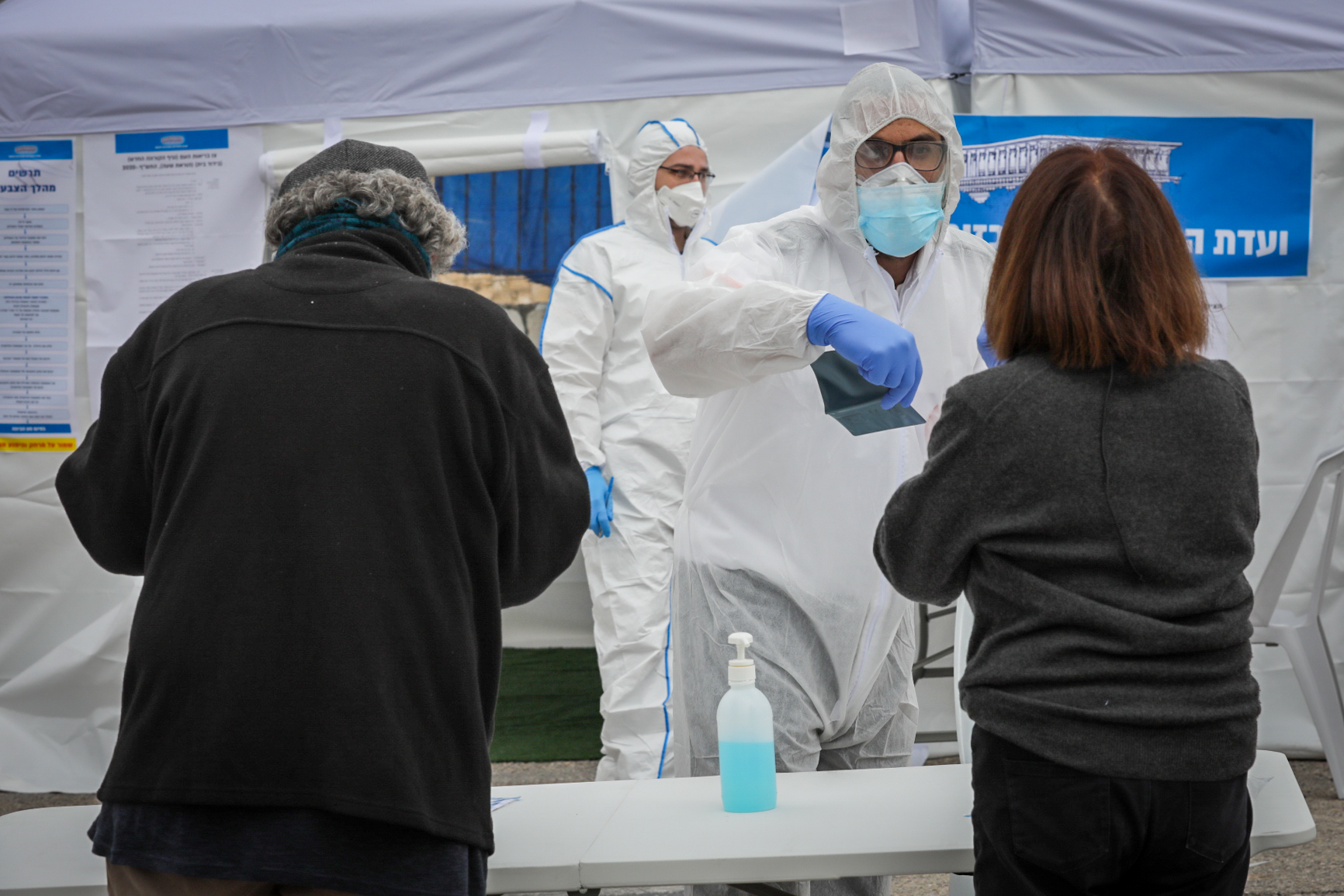
Election officials are refusing to count the 4,076 ballots cast by Israelis who could be carrying the deadly coronavirus, over fears of contagion, according to reports on Tuesday.
The boxes of slips from the 16 special polling stations where citizens under home quarantine were permitted to vote remain untouched, the reports said.
It remains unclear who will be responsible for counting these ballots, with Channel 12 saying medics from the Magen David Adom service could be tasked with the job. According to the network, the Central Elections Committee has appealed to the emergency service to take responsibility for the ballots and is awaiting its response.
On Monday, the specially equipped voting booths opened their tent flaps for the 5,600-plus voters who were under home quarantine as a precautionary measure to prevent the spread of the coronavirus in Israel. Over 4,000 turned out to cast their votes.
So far, 12 Israelis have tested positive for COVID-19, the disease caused by the coronavirus. Israel has taken far-reaching steps to prevent an outbreak, banning entry to foreigners who were in China, Hong Kong, Macau, Thailand, Singapore, South Korea, Japan and Italy in the 14 days prior to arriving, and compelling all Israelis recently in these areas to self-quarantine for 14 days.
The Israelis were, however, allowed out of quarantine Monday in order to vote in the special polling stations. But they were ordered to take special precautions such as putting on face masks before they exit their vehicles and trying to make the trip to the voting station without being accompanied by others who are not in quarantine. They were also prohibited from stopping on the way to and from the voting stations.
Additionally, anyone who showed symptoms of the disease was forbidden from using even the special voting stations. Those hospitalized were granted special voting procedures already in place for patients.
Israel does not allow absentee ballots.
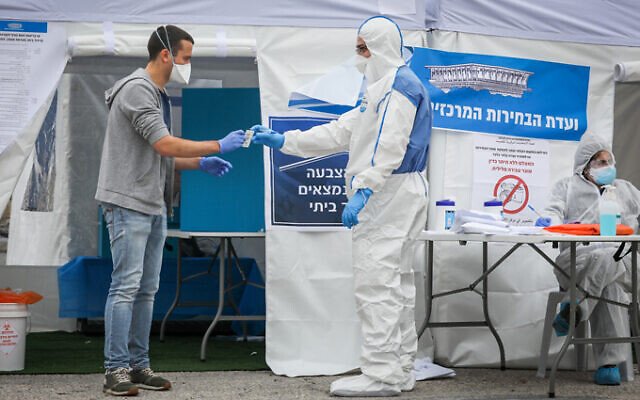
The polling stations, located in the cities of Jerusalem, Safed, Afula Illit, Haifa, Netanya, Tel Aviv, Holon, Beersheba, Ashkelon, Eilat, Rosh Ha’ayin, Modiin, and Kfar Saba, were each made up of two small tents with an adjoining window: in one tent sit Magen David Adom paramedics, specially trained for Monday as polling administrators; in the other, visible through the transparent plastic, the ballot box sat on a table behind a blue screen.
As voters arrived, they were greeted by polling staff wearing full protective gear who asked them to temporarily take off their face masks and checked their identity against their Israeli identity card. Then, after each applying anti-bacterial hand gel, the voters were given a specially prepared pack with a new face mask and gloves to wear while voting.
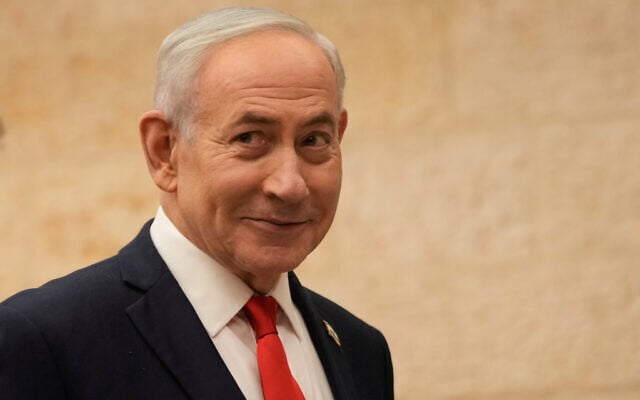
According to exit polls late Monday, Prime Minister Benjamin Netanyahu’s Likud party was expected to become the largest party in the Knesset, with some 36-37 seats. It was set to surpass its rivals Blue and White by several seats, though its path to building a majority coalition remained uncertain, with projections indicating the right was two seats shy of a majority.





The Times of Israel Community.