

Expecting further violent protests, IDF goes on high alert on Gaza border
Open-fire regulations said eased as army tries to prevent rioters from approaching border fence, following last week’s IED attack using explosive hidden in flag staff
 Add ToI as a Preferred Source on Google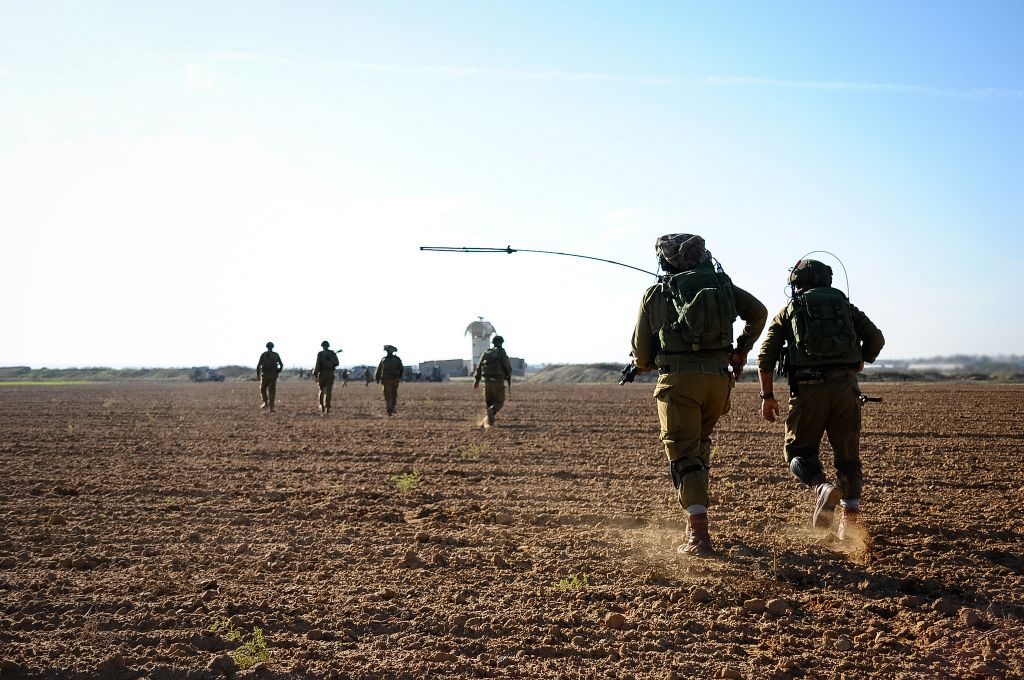
The IDF went on high alert Friday along the Gaza border amid expectations of a renewal of violent protests by Palestinians in the territory.
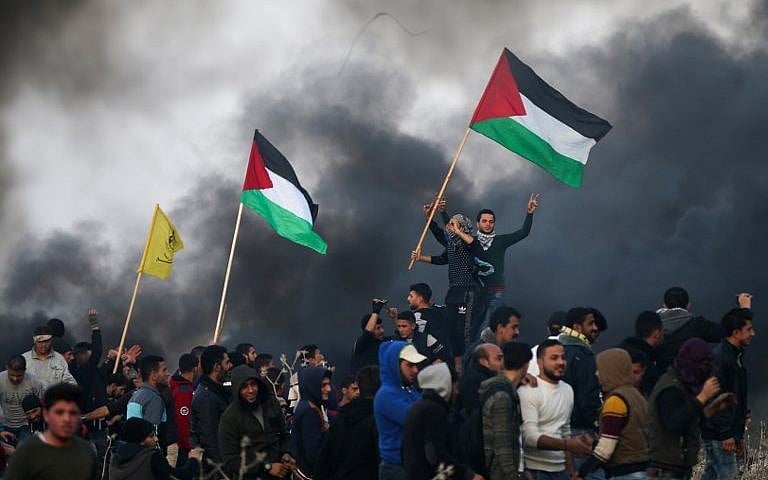
One such riot last Friday near Khan Yunis was used as cover for an improvised explosive device attack. Terrorists from the Popular Resistance Committees umbrella group approached the border fence during the protest and placed a Palestinian flag on it. The following day, when IDF troops from the Golani brigade and the combat engineering corps approached the fence to remove the flag, an IED — improvised explosive device — hidden in the flag’s staff detonated, wounding four soldiers, two of them seriously.
In response to that attack, and to a rocket fired from Gaza that hit a home in southern Israel late Saturday night, the IDF conducted a series of strikes against 18 targets in the Strip, including on an attack tunnel entrance in Gaza City, Defense Minister Avigdor Liberman said in the Knesset on Monday.
In a separate incident on Saturday night, an IDF tank fired on a group of Palestinians who the army said approached the security fence “in a suspicious manner,” killing two of them and seriously injuring two others.

The IDF has now eased the open-fire regulations in response to the heightened tensions, allowing soldiers to use lethal fire to prevent similar approaches to the border fence in future, Channel 10 reported on Friday. Snipers have also been stationed along the border for the purpose, along with other forces.
The move comes after Israeli officials warned that the IED attack crossed a red line, and “the gloves will be off” in the next encounter between rioters organized by Hamas and IDF troops.
On Tuesday, Liberman warned Gazans that their Hamas rulers were taking advantage of them and endangering their lives by sending them to take part in demonstrations near the border with Israel.
Echoing statements made by Israel’s military liaison to the Palestinians the night before, Liberman said the army had “learned the lessons” from last weekend’s attack and would respond more aggressively in the future, though he declined to elaborate on what specific policy changes the military was adopting.
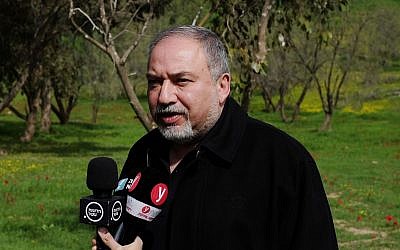
Though Liberman had previously said the direct perpetrators of the IED attack were from the Palestinian Resistance Committees terrorist group, he said on Tuesday that Hamas, which rules the Strip, was also liable as it allowed the attack to take place.
“What’s clear is that Hamas is using the residents of the Gaza Strip as a cover for terrorist activities,” he said. “This is unacceptable. We won’t continue with this game.”
The defense minister accused Hamas’s leaders of sending Gaza residents to take part in violent demonstrations while making sure their own family members never get close to the border. He also noted that senior figures in the terrorist group enjoy a constant supply of electricity, while most Gaza residents get just a few hours a day.
The defense minister repeated a message he has expressed multiple times, that Hamas was deliberately maintaining poor living conditions in the enclave as a matter of policy.
“Hamas is the one preventing economic development in Gaza, preventing growth,” he said. “You have to understand: poverty and terrorism go hand in hand.”
The defense minister didn’t explicitly blame Iran — which financially supports Hamas and the second-largest terror group in the Strip, the Palestinian Islamic Jihad — for recent unrest in Gaza, but implied that the Islamic Republic is playing a role in it.
Liberman said senior Hamas officials “live in Beirut, with Hezbollah’s blessing, and travel from Beirut to Tehran almost every other week in order to coordinate their activities — and most of the money Hamas is receiving comes from Iran.”
Judah Ari Gross contributed to this report.






The Times of Israel Community.