

France indicts two ex-bosses in Malaysia submarine graft case
In echo of Israeli probe, former chairman of French naval dockyards and ex-CEO of defense contractor face corruption charges
 Add ToI as a Preferred Source on Google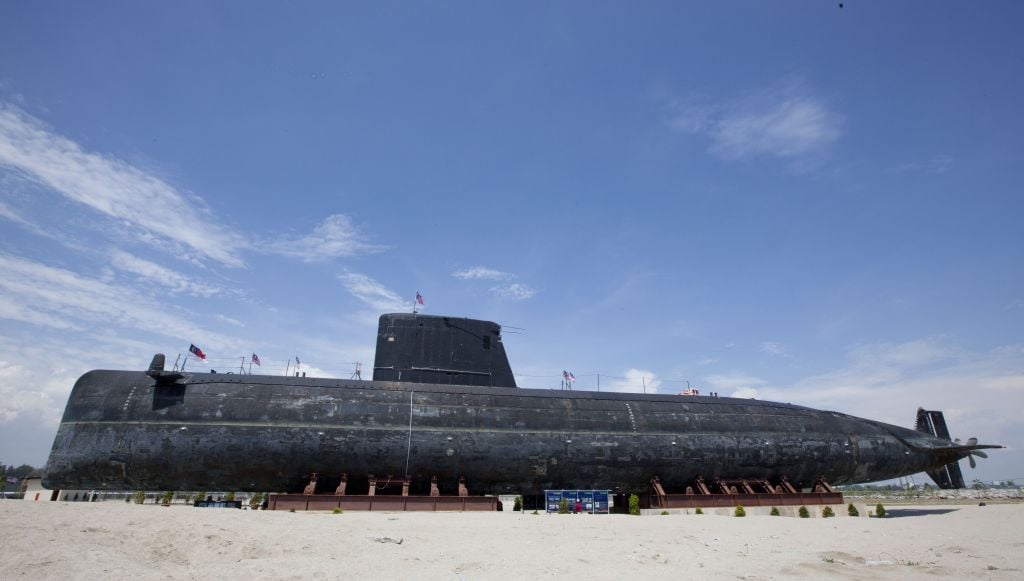
French investigators have indicted two former top executives in a long-running probe into alleged kickbacks from the 2002 sale of submarines to Malaysia, sources close to the inquiry said Tuesday.
The two are Philippe Japiot, former chairman of the French naval dockyards unit DCNI, and Jean-Paul Perrier, former chief executive of the French defense and electronics giant Thales, they said.
The two, interviewed in May, have both been indicted for corruption, one of the sources said.
Japiot has additionally been indicted for “abuse of social assets” and Perrier for “complicity in the abuse of social assets,” one of the sources said.
The investigation was launched in 2010 in response to a complaint by Malaysian rights group Suaram.
It centers on allegations that the French submarine maker paid a commission of more than 114 million euros ($132 million) to a purported shell company linked to Abdul Razak Baginda, a former close associate of Prime Minister Najib Razak.
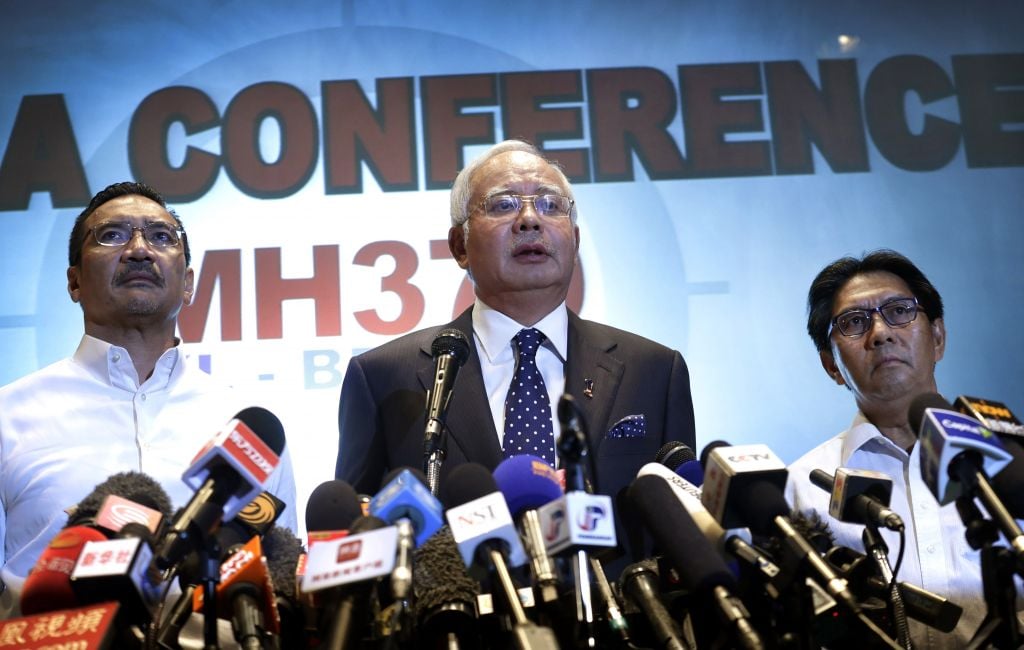
Najib was defense minister when the $1.1-billion deal for two Scorpene-class submarines was sealed.
From 2001 to 2007, Japiot headed the DCNI, the international branch of France’s centuries-old naval shipbuilding operations, which changed its name last month from DCNS to Naval Group.
The French state holds just under two-thirds of Naval Group, and Thales slightly more than a third.
Two other people are under investigation in France in the same case: Dominique Castellan, also a former DCNI president, and Bernard Baiocco, former president of Thales International Asia.
All four deny any wrongdoing and the Malaysian government has said the contract was free of corruption.
The affair emerged spectacularly in 2006, when Abdul Razak’s Mongolian mistress — who was said to have demanded a payoff for working as a language translator in the deal — was shot dead and her body blown up with plastic explosives near Kuala Lumpur.
A Malaysian court later cleared Abdul Razak of abetting the murder, sparking an outcry and opposition allegations of a cover-up.
The corruption case has certain similarities to an ongoing Israeli probe into suspected fraud in the multi-billion-shekel sale of German naval vessels to Israel.
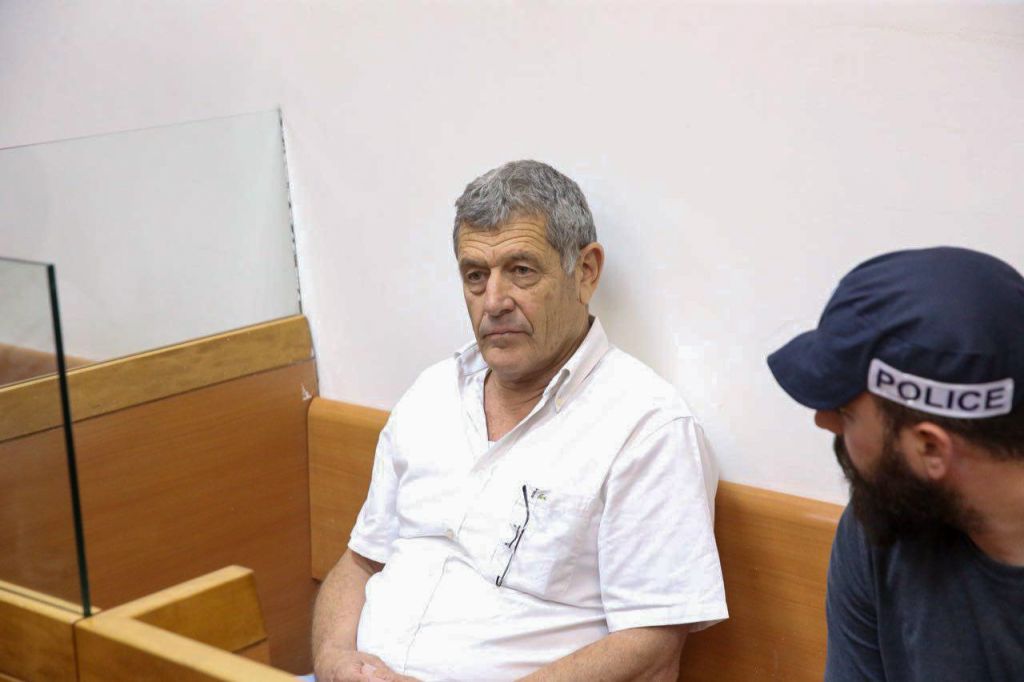
The police investigation, which has gained speed in the past week, centers on suspicions that German shipbuilder ThyssenKrupp’s representative in Israel, Miki Ganor, along with former National Security Council deputy head Avriel Bar-Yosef, paid out bribes in connection with a decision by Prime Minister Benjamin Netanyahu to buy three submarines from ThyssenKrupp, despite opposition from the Defense Ministry.
They also reportedly influenced decisions to buy naval corvettes to protect Israel’s gas fields and awarded ThyssenKrupp a contract to service other naval vessels.
In addition to Ganor and Bar-Yosef, former naval chief Eliezer Marom is a suspect in the affair, as is Netanyahu’s cousin and personal lawyer David Shimron, who acted as Ganor’s representative.
Although Netanyahu is not a suspect in the investigation, former defense minister Moshe Ya’alon has alleged that the prime minister pushed for the deal despite the objections of top defense officials and said that there is no way the premier was not involved in the alleged corruption.








The Times of Israel Community.