

Health Ministry officials warn Israel is not prepared for a 2nd coronavirus wave
But reports say ministry itself is foot-dragging and engaged in ‘ego games,’ preventing establishment of testing and monitoring system needed to stop fresh outbreak
 Add ToI as a Preferred Source on Google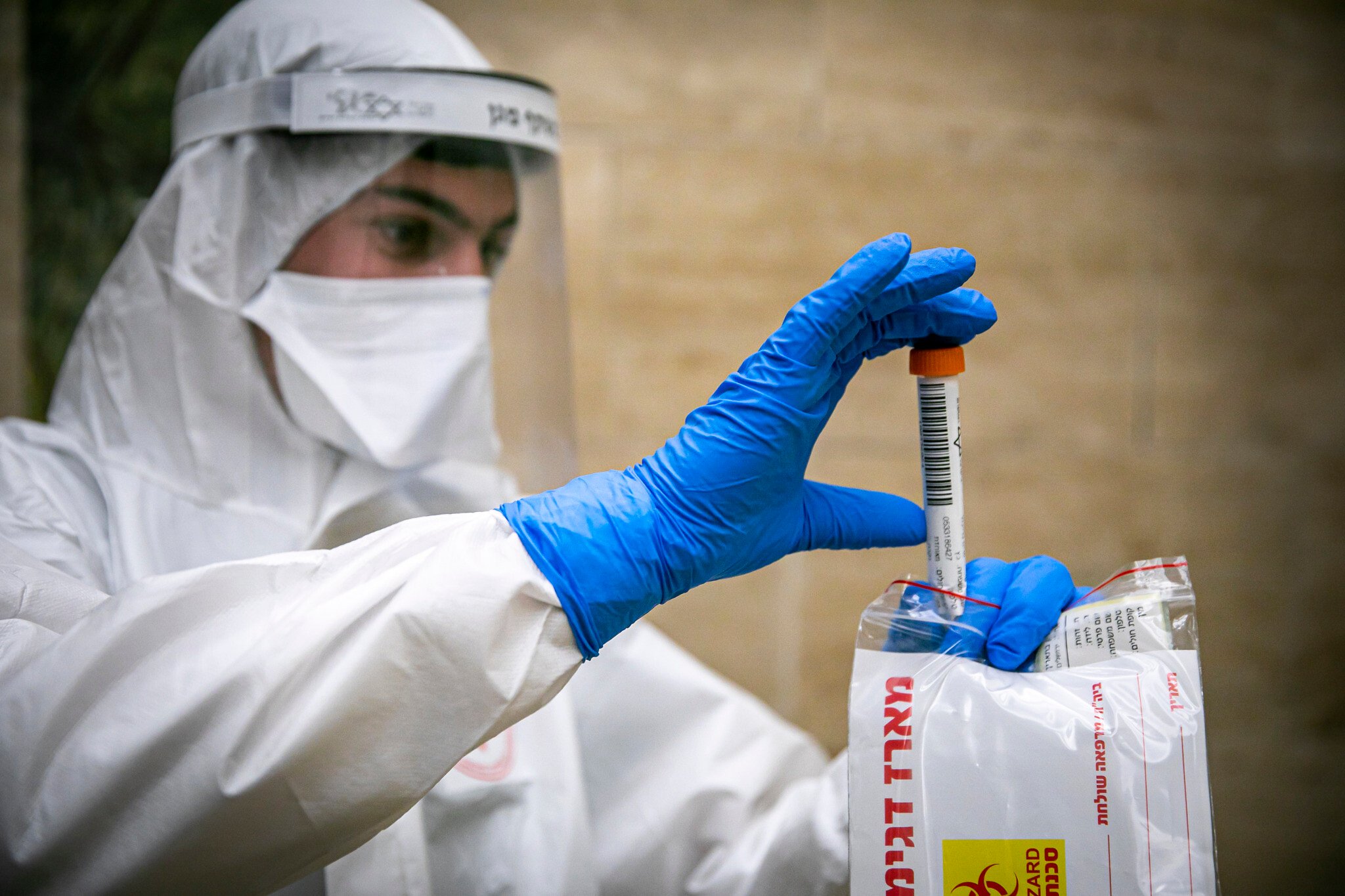
Senior officials in the Health Ministry are reportedly warning that Israel has not taken the necessary steps of establishing a wide-scale testing and monitoring system to prevent a second outbreak of coronavirus, even as the government began easing restrictions Sunday.
However, others lay the blame on the ministry itself, which has been slow to focus on testing. A separate report Sunday indicated that a former IDF general brought in to run a national testing and monitoring program had resigned in disgust over Health Ministry “ego games” that stymied his efforts.
According to Channel 13 news, ministry officials said that during the last month of closure, Israel had failed to use the time to establish the testing and monitoring infrastructure and warned that it will not be possible to prevent a second outbreak if there is no way to review each case of infection properly, and to identify an infection before it reaches the hospital.
Over the weekend Israel reduced some restrictions. But this came amid econiomic pressure and despite warnings the country was not ready, the report said, noting that during cabinet deliberations several ministers had raised similar concerns.
Environmental Protection Minister Ze’ev Elkin warned during the meeting that the easing could lead to a second outbreak in 3-4 weeks time, especially with the relaxing of work restrictions. That could mean a return to lockdown measures, or even a more severe lockdown.
Ministers told the channel that Netanyahu responded by saying he was aware of the dangers.
“It will be trial and error,” Netanyahu said of the coming weeks. “We will need to check ourselves all the time,” the report quoted him as saying.
However, Channel 12 news reported that the main reason Israel had failed to set up adequate testing was because of a reluctance in the Health Ministry and a clash between ministry officials and Brig. Gen. (Reserves) Ori Seiffert, who had been brought in to oversee the establishment of a national testing and monitoring program.
The report, quoting people close to the general, said Seiffert , a former Air Force pilot and commander of the Tel Nof base, had resigned from his post following repeated “ego games” by Health Ministry officials who refused to cooperate.

Neither the Health Ministry not Seiffert responded to the report, Channel 12 said.
Israel’s system of closures and lockdowns appears to have been an effective tool at slowing the spread of the coronavirus and preventing a collapse of the healthcare system for the time being. But experts see it as unsustainable in the long-term, preventing the reopening of the country and the economy and a return to something that somewhat resembles normalcy.
What’s needed to do that, according to many researchers, is testing — lots of it and of different varieties.
Israel’s National Security Council makes its “exit strategy” for the country contingent upon the results of a large, rapid testing program of at least 10,000 per day.
But the Health Ministry has not made mass testing a priority and its officials have regularly dismissed its importance in television and radio interviews.
Throughout the crisis, the actual directives for increased testing in Israel have come primarily from the Prime Minister’s Office, who called for 30,000 tests a day, not from the Health Ministry, which has regularly protested the moves and reportedly dragged its feet in carrying them out, allowing inefficiencies and bureaucracies to slow the process.








The Times of Israel Community.