

High Court overturns president’s ruling on appointment process for Civil Service head
Judges ruled last year that government must use a competitive process to appoint Civil Service commissioner, but expanded panel determines there is no such obligation
 Add ToI as a Preferred Source on Google
Jeremy Sharon is The Times of Israel’s legal affairs and settlements reporter
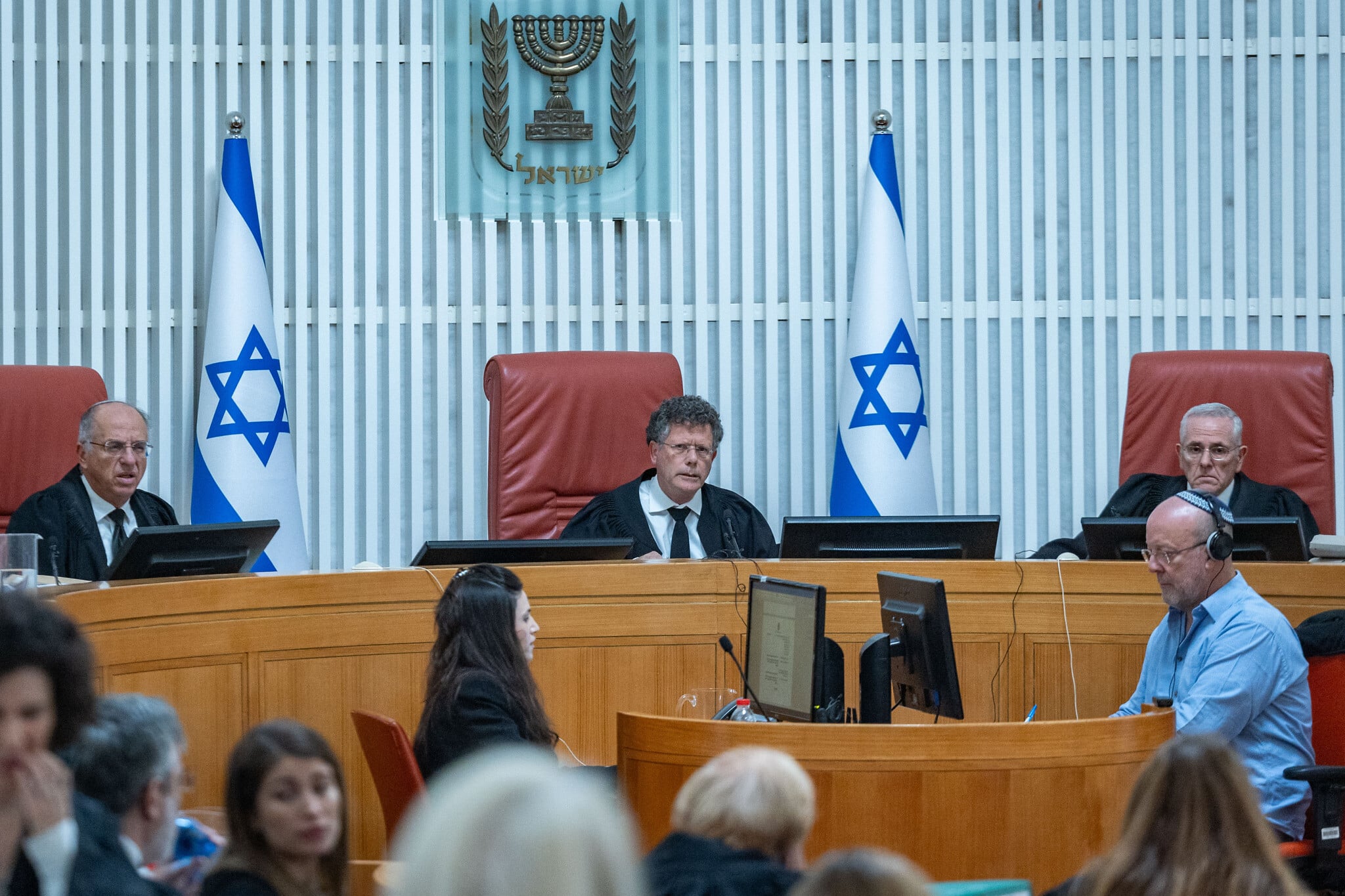
An expanded panel of the High Court of Justice on Tuesday ruled in favor of the government’s position that the Civil Service commissioner does not need to be appointed in a competitive process, reversing a ruling of a smaller panel of judges who had blocked the government’s proposed appointment process last year.
The ruling comes as a blow to Supreme Court President Isaac Amit, who wrote the majority opinion in May 2025 that the Civil Service commissioner must be appointed in a competitive process to guarantee the independence, impartiality, and apolitical nature of the role.
In Tuesday’s ruling by the expanded panel of five justices, three of Amit’s colleagues overturned that decision, with Amit himself and Justice Daphne Barak-Erez dissenting.
The ruling may also be seen as a rebuke to Attorney General Gali Baharav-Miara, who opposed the government’s position and backed maintaining a competitive process for the appointment.
The Civil Service commissioner oversees the tens of thousands of civil servants working in the ranks of Israel’s Civil Service. The commissioner has authority over how appointments are made within the Civil Service, disciplinary actions for civil servants, and enforcing political neutrality in the provision of services. The commissioner is also a statutory member on the Senior Appointments Advisory Committee, which helps appoint some of the most important officials in the country, such as the Shin Bet chief, the IDF chief of staff, the police commissioner and others.
Tuesday’s decision relates to a cabinet resolution from 2024, which created a formula whereby the prime minister, in an ad hoc process, would nominate one candidate for the influential position of Civil Service commissioner, whose background and qualifications would be vetted by an independent committee.
But petitions were filed against the appointment process, arguing that it would enable the prime minister to use political, not professional considerations when selecting a candidate, which would undermine the political neutrality of the role, and the Civil Service more broadly, while also potentially resulting in unsuitable candidates being appointed to the post.
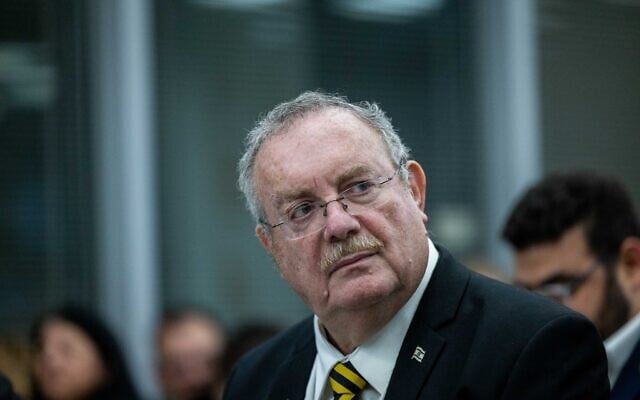
The legal proceedings have meant that the government has been unable to appoint a new, permanent Civil Service commissioner ever since the current acting commissioner, Daniel Hershkowitz’s term as commissioner ended in October 2024.
Following the ruling in May 2025, the government requested an additional hearing with an expanded panel of judges to review the decision, something any side to a ruling is entitled to request if they feel important aspects of the issue merit further examination or were not fully addressed in the original decision.
The High Court accepted the government’s decision in July and held the additional hearing in September.
Writing for the majority in Tuesday’s three-to-two ruling, Justice David Mintz pointed out that the 1959 Civil Service Law does not require a competitive process for appointing the Civil Service commissioner, and explicitly allows the government not to issue a public tender for the role.
He also ruled there was no room for judicial intervention, since he determined that there was no flaw in the government’s decision-making process not to be competitive. Mintz also pointed out that a previous High Court ruling on the issue in 2011 had determined that the appointment process need not be competitive. Amit himself was one of the three justices who issued that ruling.
Mintz also rejected claims by petitioners that the government had used non-pertinent considerations to formulate its decision not to have a competitive selection process.
The justice wrote further that a distinction had to be made between “the law as it is and the law as might be desirable,” noting that even if a competitive process may improve the selection process for the Civil Service Commissioner, that was not enough to obligate the government to change. Mintz was joined in his ruling by Deputy Supreme Court President Noam Sohlberg and Justice Yael Wilner.
The Movement for Quality Government in Israel, one of the petitioners against the government’s appointment process, said it would respect the decision but described the ruling as “the most severe injury to the ethos of Israel’s civil service,” “a substantial retreat from the principals of proper administration” and a ruling that could pave the way for political appointments to the position.










The Times of Israel Community.