

IDF officer says Syrian Druze should not flee to border, downplays danger
Official nixes Golan field hospital as fighting on border intensifies; Netanyahu says Israel will do what is necessary but does not elaborate
 Add ToI as a Preferred Source on Google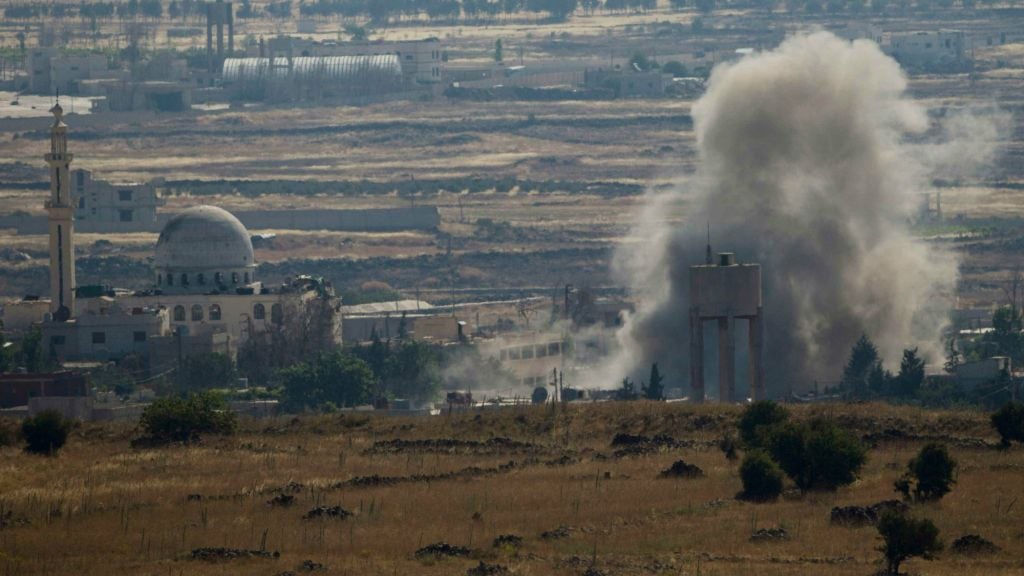
The Israeli army attempted to downplay the gravity of fighting on the other side of the border with Syria Wednesday, dismissing reports of an imminent “genocide” facing the Druze community which would necessitate an Israeli humanitarian response.
A senior officer who spoke on condition of anonymity said Israel was not planning on letting Syrian refugees into Israel or otherwise enter the conflict, despite calls by Israeli Druze for Jerusalem to intervene to aid their brethren threatened by the advance of Islamist rebels battling the Syrian regime.
“The Syrians should stay in Syria, and if they reach the fence – we will interrogate them. We won’t let people enter Israel just like that,” the officer said, according to Hebrew-language media.
“We have no intention of intervening in what’s happening in Syria. The village of Hader is under Syrian control but it’s not against Israel. Hader could fall [into the hands of rebels] but for now it is quiet. They are between a rock and a hard place,” the official added.
On Wednesday, a Britain-based monitor said rebels had surrounded the village of Hader, near the border with Israel.
“Hader is now totally surrounded by rebels, who just took a strategic hilltop north of the village,” Syrian Observatory for Human Rights Observatory director Rami Abdel Rahman told AFP.
[mappress mapid=”5130″]
The village lies along the ceasefire line, with the Israeli-occupied Golan to the west and the border with Damascus province to the northeast.
The advance came a day after Israel, with a significant Druze minority, said it was preparing for the possibility that people fleeing fighting might seek to cross into Israel.
Prime Minister Benjamin Netanyahu said Israel was “closely following what is happening close to our borders,” and that he had “given instructions to do what is necessary.”
He did not elaborate.
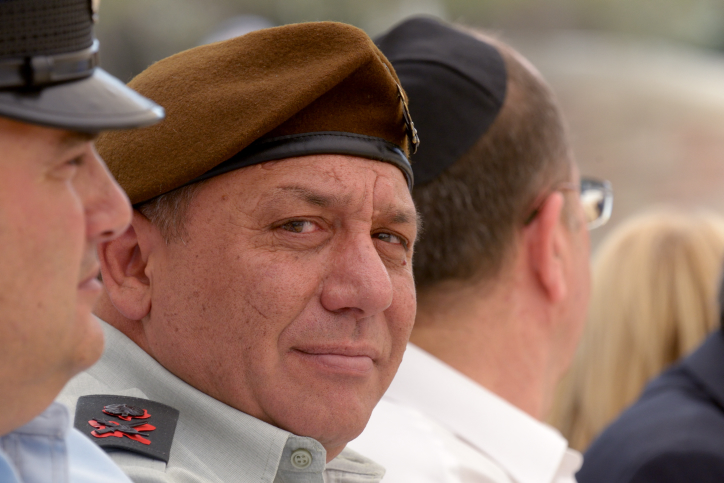
A day earlier, IDF chief Gadi Eisenkot told a Knesset committee Israel would act to stop a humanitarian disaster.
Last week, Prime Minister Benjamin Netanyahu urged US Joint Chiefs of Staff Martin Dempsey to boost US aid to the embattled minority. In talks with the other countries as well as the UN and Red Cross, Israel has also reportedly raised the possibility of a humanitarian “safe zone” on the eastern flank of Mount Hermon, which would assist the Druze.
These options came to the forefront after at least 20 Druze were massacred by Nusra Front rebels in the Idlib region of northern Syria last week. Some Druze leaders, including Lebanese Druze leader Walid Jumblatt, said the massacre was the result of local conflicts and not an ethnically motivated attack. In an unanticipated move, al-Nusra issued an apology for the attacks. But the Druze are worried that it’s only a matter of time before they follow in the footsteps of the Yazidis, Kurds, and other minorities subjugated by radical Islamist rebels in Syria and neighboring Iraq.
The unnamed official, though, said concerns over Hader had been blown out of proportion, sparking unfounded concerns of a looming massacre and leading the army to take steps to keep Israeli Druze from trying to go across the border to enter the fight.
“There was a rumor mill according to which dozens of wounded from the Druze village of Hader in Syria were nearing the border fence. The Druze in Israel are our brothers, but someone inflamed the atmosphere in a way that created unnecessary stress and pressure,” he said.
The officer said the army had blocked off the border area with Syria after the rumor spread and people flocked to the area.
“We wanted to prevent a security deterioration. We saw some guys grouping up near the fence on the Israeli side. When we saw that they scattered, we canceled the closed military zone,” the officer said.
The official added that the IDF had “no intention of establishing a field hospital. We know how to help wounded people in [regular] hospitals.”
Syrian rebels launched a wide-ranging offensive against government positions near the Golan Heights on Wednesday, after shelling in and around Damascus killed at least 33 people, activists said.
The rebels of the Southern Front alliance and the so-called Haramoun Army targeted several areas in the Golan, including the towns and villages of Quneitra, Khan Arnabeh, Baath, Jiba and the base of Brigade 90, the main government force in the region, said opposition activist Jamal al-Jolani, who is based in southern Syria.
Explosions from the fighting could be seen from the Golan Heights in Israel. A Syrian government helicopter could be heard dropping bombs on rebel targets as tanks, believed to belong to the rebels, fired back. An Israeli warplane flew along the frontier as a precautionary move.
The Israeli officer said sirens heard in the Golan Heights earlier in the day were in all likelihood triggered by misfire leaking from the battles inside Syria. “Our systems identified a launch toward Israel. Indeed a bomb was launched from Syrian territory but it exploded still inside Syrian territory,” the officer said.
Shelling and gunfire from Syria’s civil war occasionally has strayed across the frontier.
AP contributed to this report








The Times of Israel Community.