

In bold move, central bank cuts interest rates for 2nd straight time after ceasefire
Bank of Israel lowers rates to 4%, citing a moderation in inflation, a strong shekel, and growing labor market participation following the ceasefire agreement with Hamas
 Add ToI as a Preferred Source on Google
Sharon Wrobel is a tech reporter for The Times of Israel
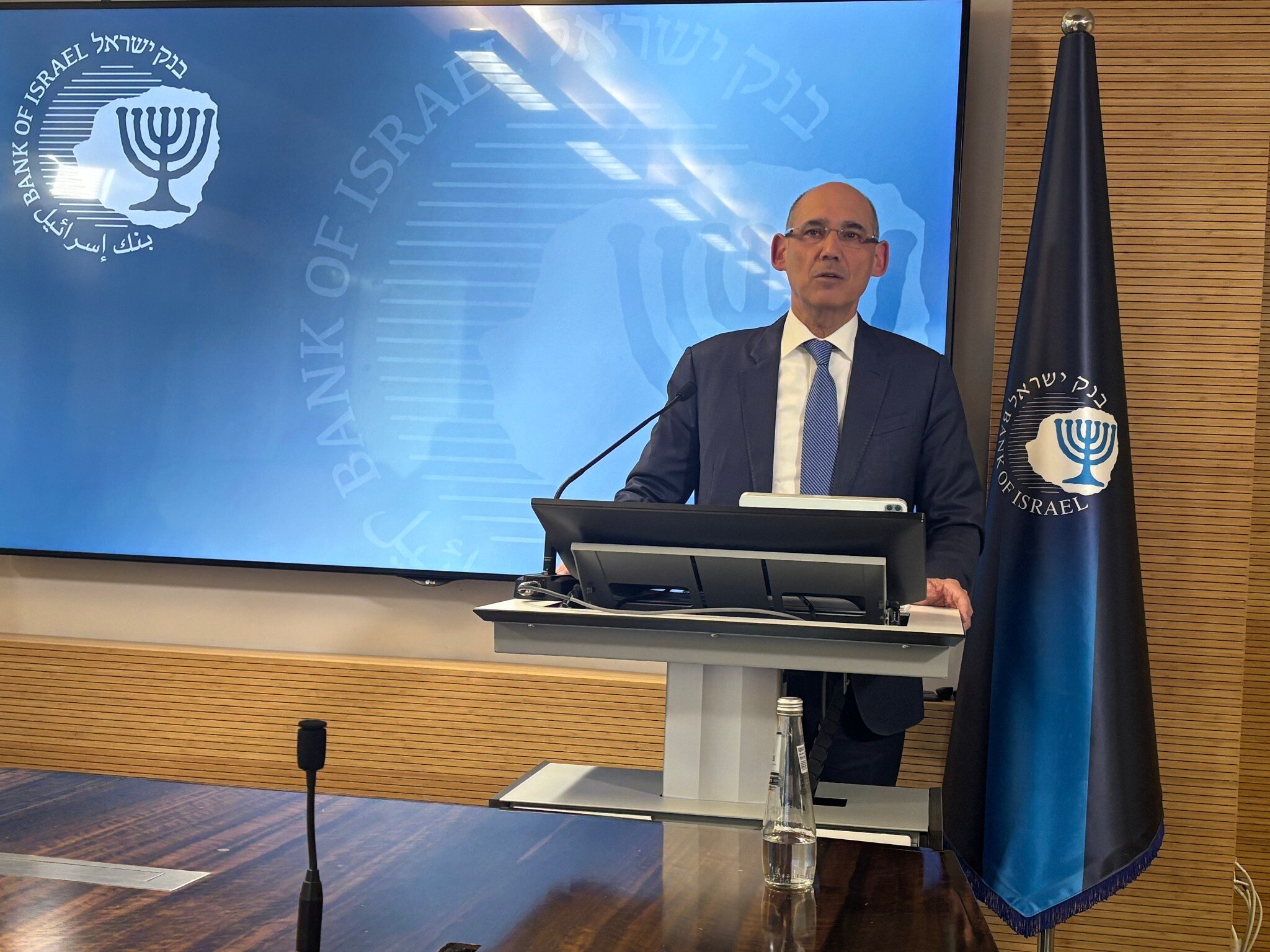
Bucking expectations, the Bank of Israel on Monday decided to lower interest rates for a second straight time as it projects the economy will recover faster than expected from the repercussions of the two-year war with the Hamas terror group, while the inflation environment is poised to moderate.
The central bank cut borrowing costs by 25 basis points from 4.25 percent to 4%. In its previous rate decision in November, it had reduced the benchmark lending rate for the first time in almost two years to 4.25% from 4.5%, following a ceasefire agreement with Hamas.
“The past year was marked by security-related and economic uncertainty, similar to the year before it,” Bank of Israel Governor Amir Yaron said at a press conference in Jerusalem. “Since the ceasefire agreement, we have seen changes in a number of economic indicators, including the inflation environment moderating more than we had previously expected, and the shekel strengthening, which is expected to help reduce inflation pressures.”
“The most recent labor market data indicate…an increase in participation and employment rates, a decrease in the share of those absent due to military reserve duty, and a decline in the growth rate of business sector wages. All of these indicators together have allowed us to lower interest rates now,” said Yaron.
In addition, Yaron emphasized that Israel’s “risk premium remains at a level close to what it was just before the war.”
Monday’s decision was made by the central bank’s monetary committee, led by Yaron. Ahead of the decision, the consensus view among economists was that the central bank would pause and hold borrowing costs even as annual inflation in November decelerated to 2.4%, from 2.5% in October.

The inflation rate moved within the government’s annual target range of between 1% to 3% in August after hovering above 3% for the past two years.
“The Bank of Israel’s decision is positive news for the Israeli economy,” said Dr. Gali Ingber, head of finance studies at the College of Management Academic Studies. “For mortgage holders, it will lead to some relief in monthly repayments, and for businesses, a reduction in the cost of credit encourages investment and growth.”
“The move is also positive for the stock market as lower interest rates push investors to seek higher returns in the capital market,” said Ingber.
Prior to November’s interest rate cut, Yaron had come under fierce scrutiny by politicians and manufacturers for hesitating to lower high borrowing costs as households and businesses struggled to make mortgage and loan repayments during the two-year war with Hamas.
Alongside the interest rate decision, the Bank of Israel’s research department said it now forecasts that the country’s economy will grow by 2.8% in 2025 and 5.2% in 2026. That projection was revised upward from a September growth estimate of 2.5% in 2025 and 4.7% in 2026. In 2027, gross domestic product is forecast to expand by 4.3%, according to central bank estimates.
“For the coming years, the forecast was compiled under the assumption that the ceasefire will be maintained and the number of people called up to military reserve duty will continue to decline,” said Yaron.
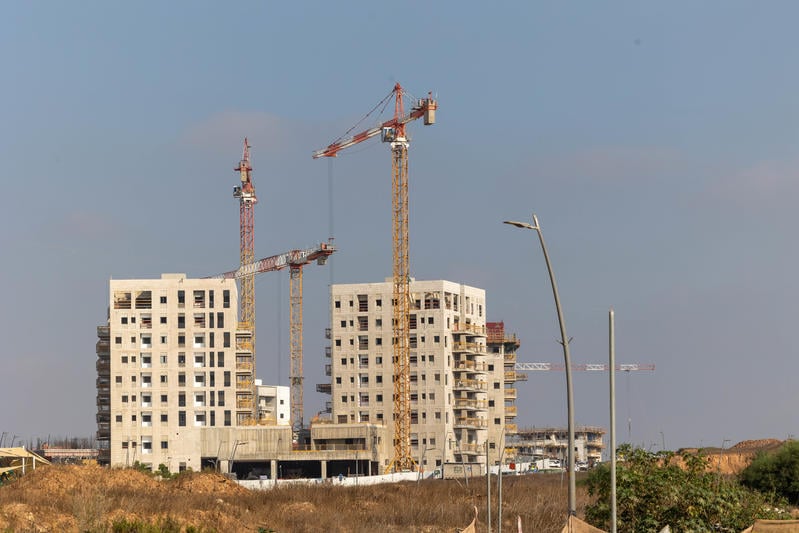
Looking ahead, he said that the “interest rate path in the future will continue to be gradual and cautious.”
According to the Bank of Israel’s current macroeconomic forecast, the interest rate is expected to fall by a cumulative 0.5% to 3.5% by the end of 2026, assuming a stable geopolitical environment and sound fiscal situation.
“As we head into 2026, and despite the decline in geopolitical uncertainty, we are facing economic challenges that underscore the need for responsible economic policy that will support economic growth in the coming years and will ensure continued financial resilience,” said Yaron.
Among the economic challenges, Yaron cited the impending approval of the 2026 state budget in the Knesset.
“It is important to approve the 2026 budget in the Knesset, taking care not to deviate from the proposed deficit ceiling of 3.9% of GDP,” said Yaron. “This is in order to support the markets’ trust in the economy.”








The Times of Israel Community.