

Israel, Greece seal deal to allow travel for vaccinated; UK, Estonia may be next
Agreement announced during Greek PM’s visit to Israel, likely won’t be enacted till late next month
 Add ToI as a Preferred Source on Google
Israel and Greece announced a Monday deal to mutually recognize each others’ “green passports,” enabling the vaccinated to travel freely between the two countries.
The policy is “without any limitations, no self-isolation, nothing,” said Prime Minister Benjamin Netanyahu in a press conference alongside his Greek counterpart, Kyriakos Mitsotakis.
Mitsotakis congratulated Netanyahu on Israel’s vaccination drive and said he looks forward to welcoming Israeli tourists to Greece when travel restrictions are lifted.
The cabinet last week voted to extend the shuttering of Israeli skies until February 20.
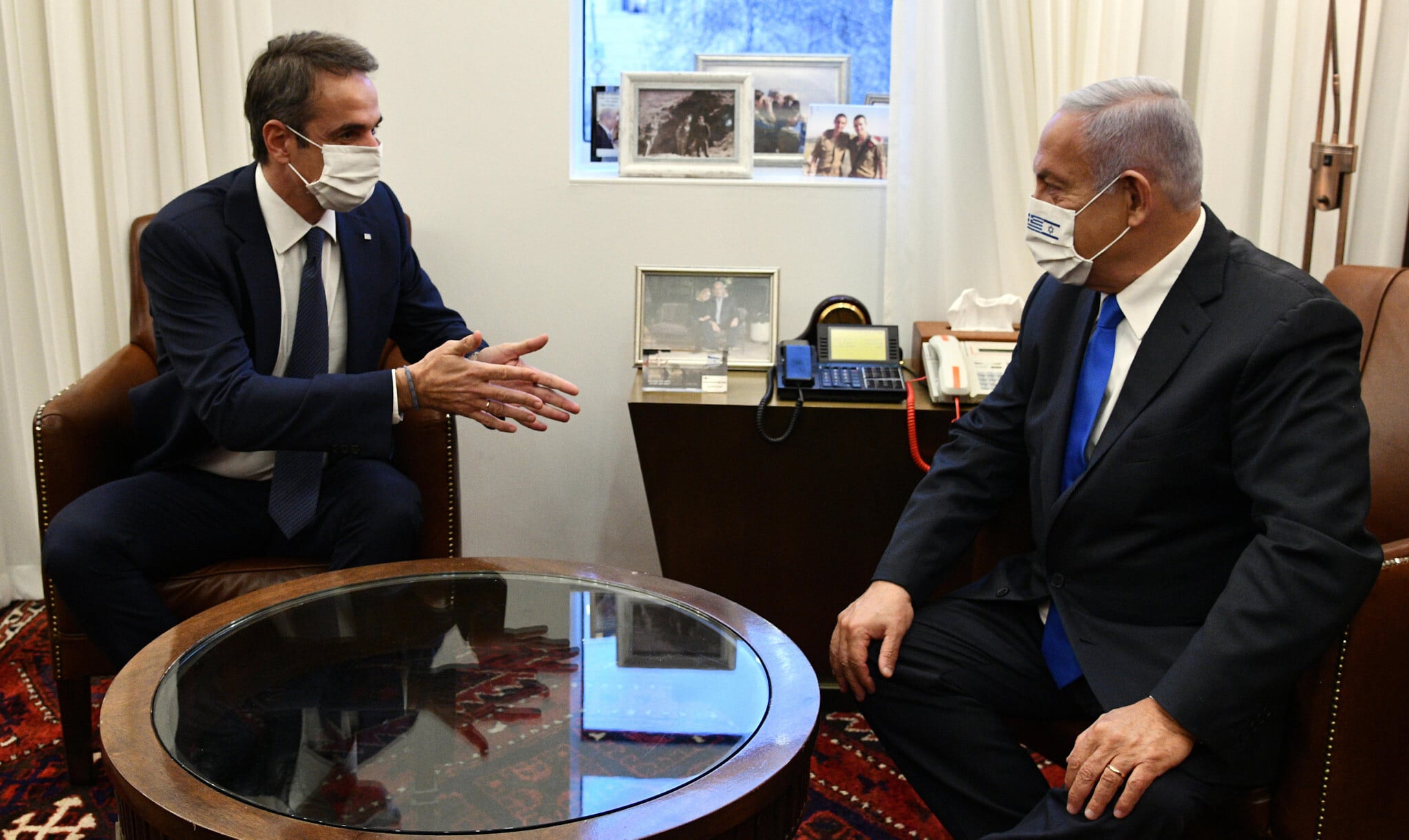
The tourism deal between Israel and Greece was signed at the Foreign Ministry in Jerusalem by Foreign Minister Gabi Ashkenazi and his Greek counterpart, Nikos Dendias.
Hebrew media speculated that the deal would be enacted shortly after the Passover holiday, which begins late next month.
Israel is also negotiating a deal with the United Kingdom and Estonia on a travel corridor between the countries for the vaccinated, according to Army Radio. The Monday report said the talks have been ongoing for several days.
Mitsotakis last visited Jerusalem in June to discuss tourism between Greece and Israel and other issues.
Israel is also in talks about enacting similar agreements with Romania, Serbia, Cyprus, Georgia and Seychelles, the Ynet news site reported.
Israel, Greece, and Cyprus have friendly relations, including over gas production in the Mediterranean, and all have a tense relationship with Turkey, which seeks to expand its fuel production in the region.









The Times of Israel Community.