

Israelis downplay concerns of anti-Semitism after Trump win
As some American Jews fear rise in anti-Jewish sentiment, right-wing Israelis say it’s a fringe phenomenon, focus on boosting settlements
 Add ToI as a Preferred Source on Google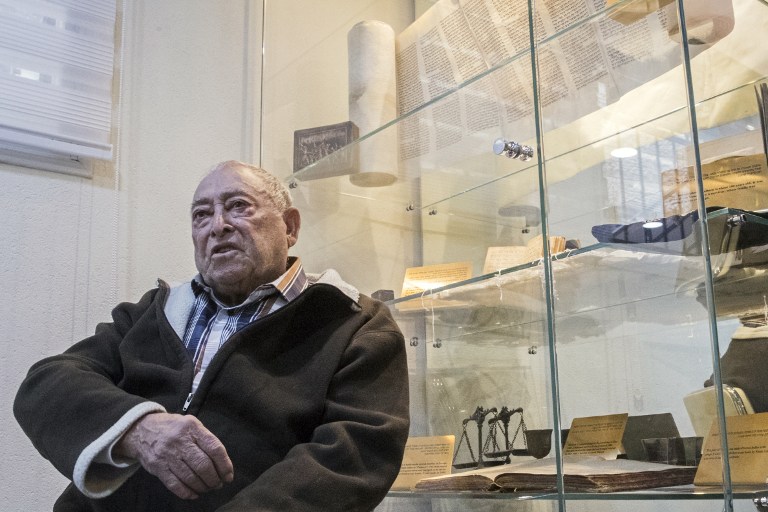
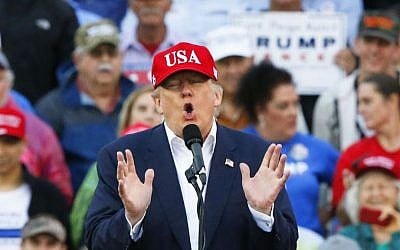
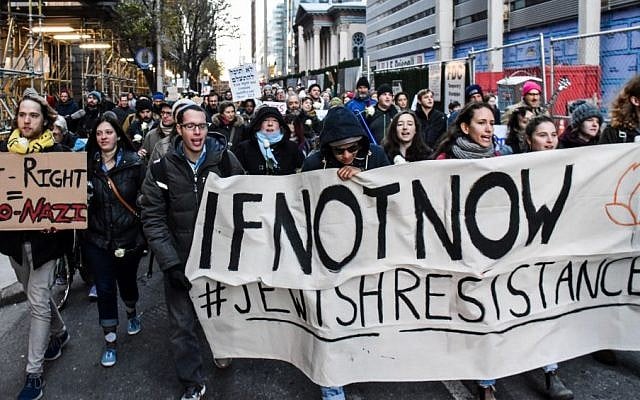
AFP — An outburst of anti-Semitism linked to US president-elect Donald Trump supporters has deeply concerned American Jews, even as many Israelis place hopes on his pledge to boost support for the Jewish state.
A leading American rights organization has called it the worst time for anti-Semitism in mainstream politics since the 1930s, with hate crimes reported in the United States in addition to a barrage of online harassment.
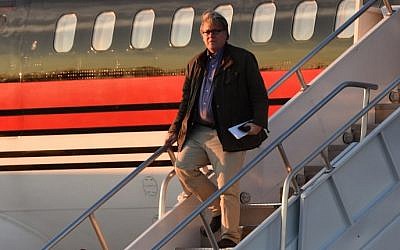
Ku Klux Klan members have supported Trump and the president-elect’s incoming chief strategist Steve Bannon formerly ran Breitbart News, criticized as providing a platform for white supremacist and anti-Semitic views.
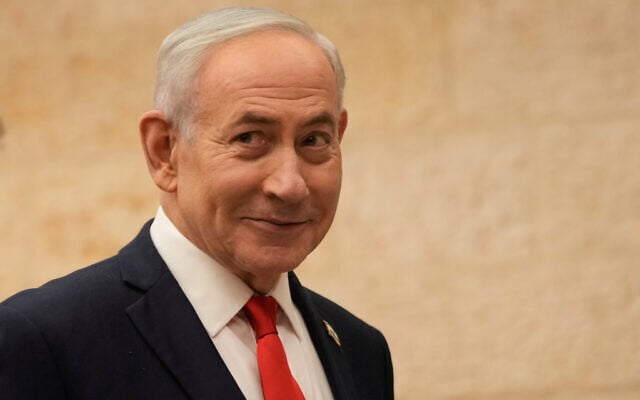
But Israeli Prime Minister Benjamin Netanyahu, usually a strong campaigner against anti-Semitism, has downplayed such fears, saying the phenomenon was more marginalized than being portrayed.
Israeli politicians, particularly on the right, have instead preferred to focus on Trump’s vocal support for Israel.
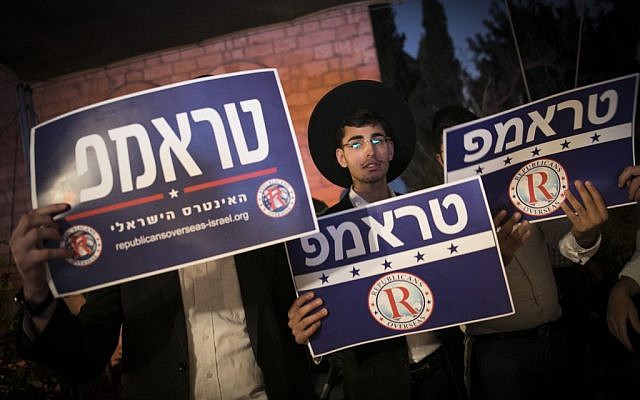
Polls suggest many Israelis see Trump’s election as positive for the country, with the billionaire businessman having pledged to recognize Jerusalem as its capital and refrain from pressuring it into deals with the Palestinians.
On Thursday, Trump named his new Israel ambassador as David Friedman, a man who has said Washington will not pressure Israel to curtail settlement building in the West Bank.
Some in the Israeli government — seen as the most right-wing in the country’s history — also view Trump’s victory as an opportunity to expand settlements in the West Bank.
Education Minister Naftali Bennett said he hoped Trump’s win would spell the end of the idea of a Palestinian state, the basis of years of peace negotiations.
Haia Kaspy and Yaacov Walden, both Holocaust survivors, epitomize the wider debate in Israel about Trump.

The two, who live in the same retirement home in the northern Israeli city of Haifa, have contrasting opinions on what his victory means for Jews.
“Of course it scares me,” said 83-year-old Kaspy, who has photos in her room of her two brothers who died after Germany seized her native Romania during World War II.
“Anti-Semitism is there on a large scale. We might get into the same situation again.”
But 87-year-old Walden’s primary focus is on Israel and its security. He sees Trump as a strong supporter of the Jewish state and thinks his more radical backers will not sway him.
In the 10 days after Trump’s victory, 867 hate crime incidents were recorded in the United States, including 100 involving anti-Semitism, a report by a US-based organization found.
Jewish journalists have also faced anti-Semitic attacks on social media.
Jonathan Greenblatt, head of the prominent US-based Anti-Defamation League (ADL), said in a recent speech: “The American Jewish community has not seen this level of anti-Semitism in mainstream political and public discourse since the 1930s.”
Some Israelis have raised concerns publicly, such as Zehava Galon, head of Israel’s left-wing Meretz Party.
“These actions of terror have made clear that Jews are not excluded and are now a clear target of violence,” she told AFP in a statement.
But others, including Netanyahu, have downplayed the threat.
“You always have anti-Semitism at the ultras — the ultra-left and the ultra-right,” he told a recent conference.
“But I think it is a marginalized phenomena contrary to what people think.”
In a recent poll, 55 percent of Jewish Israelis said fears that Trump’s election will increase US anti-Semitism were “unwarranted.”
Gershom Gorenberg, a historian and expert on US-Israel relations, said American Jews increasingly feel that Israel is not supporting them.
“Israel has always asked for the support of diaspora Jews on the level of solidarity and I don’t think that can be one way,” he said.
“Just as the Israeli government has responded to anti-Semitism in other countries in the world it should be publicly expressing some sort of response to this situation — concern or protests.”
Bannon’s appointment as Trump’s chief strategist has added to concerns among American Jews, who overwhelmingly voted for Hillary Clinton, the loser of November’s presidential election.
Before joining Trump’s campaign, Bannon headed Breitbart News, a website known for sensationalist reporting popular with many on the so-called “alt-right,” including white supremacists.
The ADL said it catered to a “loose-knit group of white nationalists and unabashed anti-Semites and racists.”
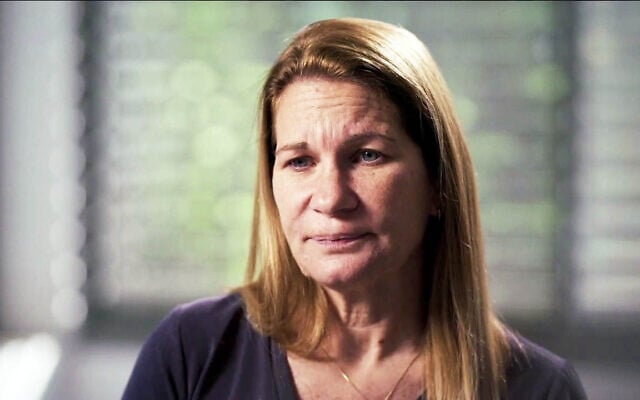
Bannon’s ex-wife also claimed he didn’t want to send his children to a particular school due to the high number of Jewish children. He has denied the claim.
Aaron Klein, Jerusalem bureau chief for Breitbart, rejected the ADL statement as a “baseless, offensive smear.”
“The allegation that Bannon is an anti-Semite would be laughable if it weren’t so frustrating,” he told AFP.
In Israel, concern over his appointment has been relatively muted.
“The more right-wing you go, the less concerned they are with these kinds of things,” said Hadas Cohen, a visiting researcher in politics at the Hebrew University in Jerusalem.
“For them it is a celebratory moment — ‘Now we can do away with the two-state solution.'”








The Times of Israel Community.