

Jews at US teachers unions subject to discrimination, forced to self-censor: report
Anti-Defamation League survey finds antisemitism, hostility to Israel’s existence in union spaces, leading to alienation and fear among Jewish educators
 Add ToI as a Preferred Source on Google
Luke Tress is The Times of Israel's New York correspondent.
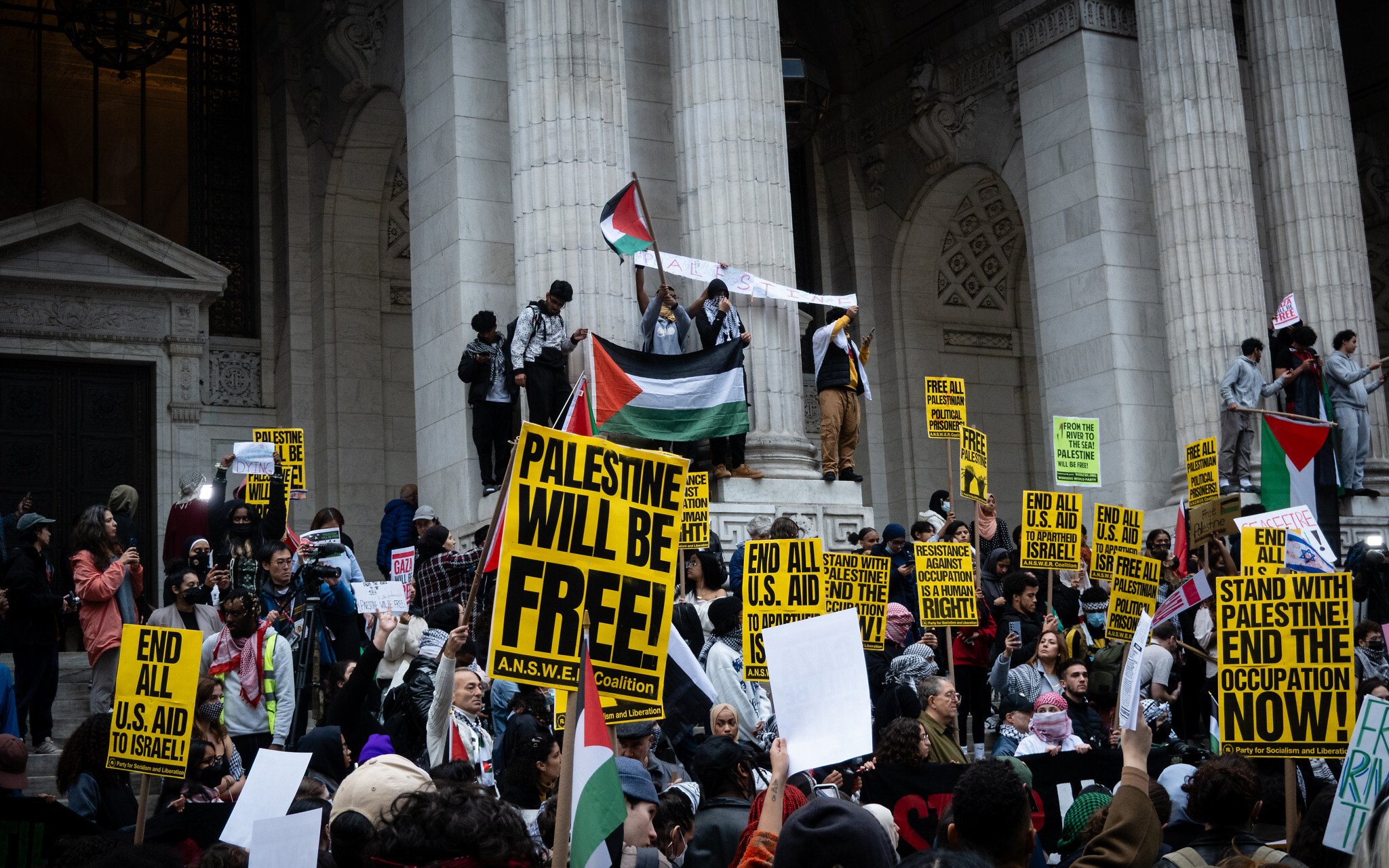
A Thursday report on the experience of Jewish educators in US teachers unions found widespread antisemitism, hostility to Israel’s existence and anti-Zionist discrimination.
The report, by the Anti-Defamation League (ADL), also described perceived mishandling of discrimination by union leaders and self-censorship by Jewish educators.
Teachers unions are significant because they influence educators and the children they teach, and hold significant political power through activities such as campaign endorsements, curriculum decisions and contract negotiations.
The study added to concerns about antisemitism and anti-Zionism in US schools, where there have been repeated incidents targeting Jews in recent years.
The ADL study surveyed 307 Jewish members of US teachers unions about their experiences in the past 12 months.
The respondents were recruited through the ADL’s network and through referrals, so the respondents may not have been a representative sample of all Jewish union members.
Some of the “problems” reported by respondents included union statements on the Gaza war that failed to condemn Hamas or the October 2023 attack on Israel (73%); resolutions accusing Israel of genocide, apartheid or ethnic cleansing (71%); and calls to cut ties with mainstream Jewish groups (68%).

Forty-four percent of respondents said they had witnessed speakers at union events justify violence against Jews or Israel.
The report stated that problematic “anti-Israel” speech did not include ordinary criticism of Israel or its government, but hostility to Israel that crossed the line into opposing the Jewish State’s existence.
Jewish union members reported hostile rhetoric at union meetings, on social media, in group chats and emails, at trainings, in conferences, and at informal social gatherings.
“There is now open hostility toward Jewish educators in union spaces from other union members. They hide it under the guise of hating Zionists, not Jews, but it’s all the same thing,” one educator quoted in the report said.
Other educators reported Jews being called “genocide supporters,” “baby killers” or “colonizers.” Some Jews were shouted down or mocked when objecting to union activity. Twenty-seven percent of the educators had heard statements equating Jews or Zionists with Nazis.
One teacher said that, at a union event, members distributed flyers that praised the “Al-Aqsa flood operation,” Hamas’s name for the October 2023 attack.
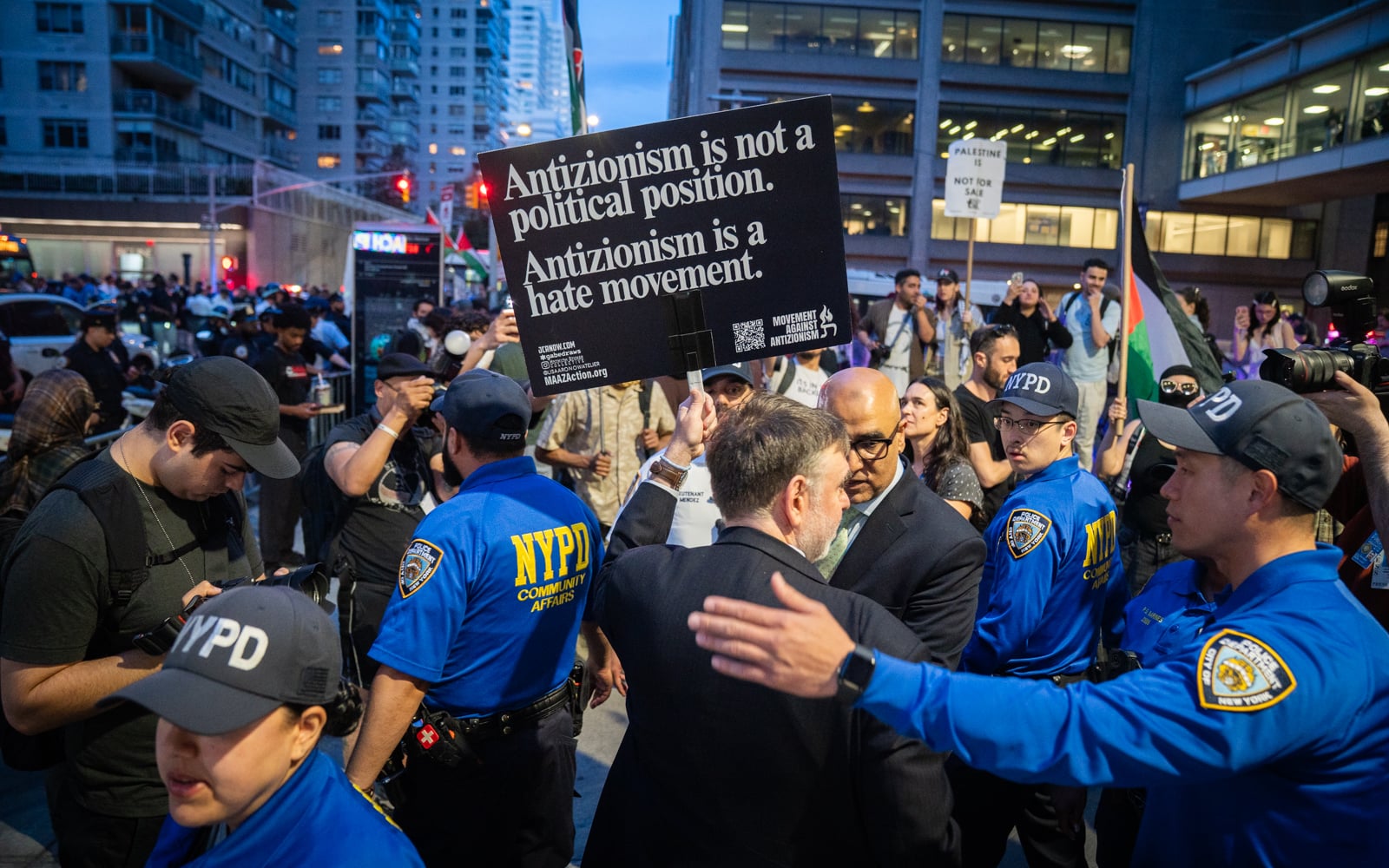
“The union only addresses Israel’s conflicts, not any others,” an educator said in the report.
Respondents reported experiencing isolation, alienation, extreme discomfort, “clear hatred,” and feeling unsafe and betrayed.
Around half of the respondents said that meetings and votes were held on Shabbat or Jewish holidays, excluding observant Jews.
A majority of 53% said anti-harassment protections had been inconsistent for anti-Jewish or anti-Zionist rhetoric; 52% reported witnessing minimization or denial of the October 2023 atrocities; 49% said they had heard the term “Zionist” used as a slur or pejorative.
“Every day just feels like a fight and something new to have to argue or try and prove. It’s exhausting on top of an already exhausting day working with students,” one educator said.
Most of the respondents — 70% — agreed that expressing concerns about the treatment of Jews in unions could cause “reputational or professional consequences,” and 74% said they self-censored in union spaces.
“We have to either claim to hate a part of our own identity, be quiet, or be shunned,” one of the respondents said.
Respondents said that the same patterns were present before the start of the Gaza war, but that the Hamas attack had accelerated those trends. One teacher quoted in the report said that the October 7 attack created “a permission structure to express their antisemitism.”
Jewish union members requested changes including condemnations of threats and harassment from union leaders, leadership avoiding resolutions about foreign conflicts, and balanced, evidence-based education on antisemitism.
The respondents hailed from 24 US states, with large representations from California, Massachusetts, and New York.
Nearly all of the respondents worked in public schools, and most were current or retired teachers, while some worked in other educational roles.






The Times of Israel Community.