

Knesset advances far-right MK’s bill to lower volume of mosque calls to prayer
Otzma Yehudit’s Zvika Fogel says it’s ‘not a political issue’ but one of equal law enforcement, though Arab lawmakers point to lack of effort to curb violent crime in minority community
 Add ToI as a Preferred Source on Google
Ariela Karmel is a political correspondent at The Times of Israel. She previously reported for Calcalist and Haaretz. She holds an MA in Middle Eastern and African History from Tel Aviv University and a BA in Political Science from the University of British Columbia.
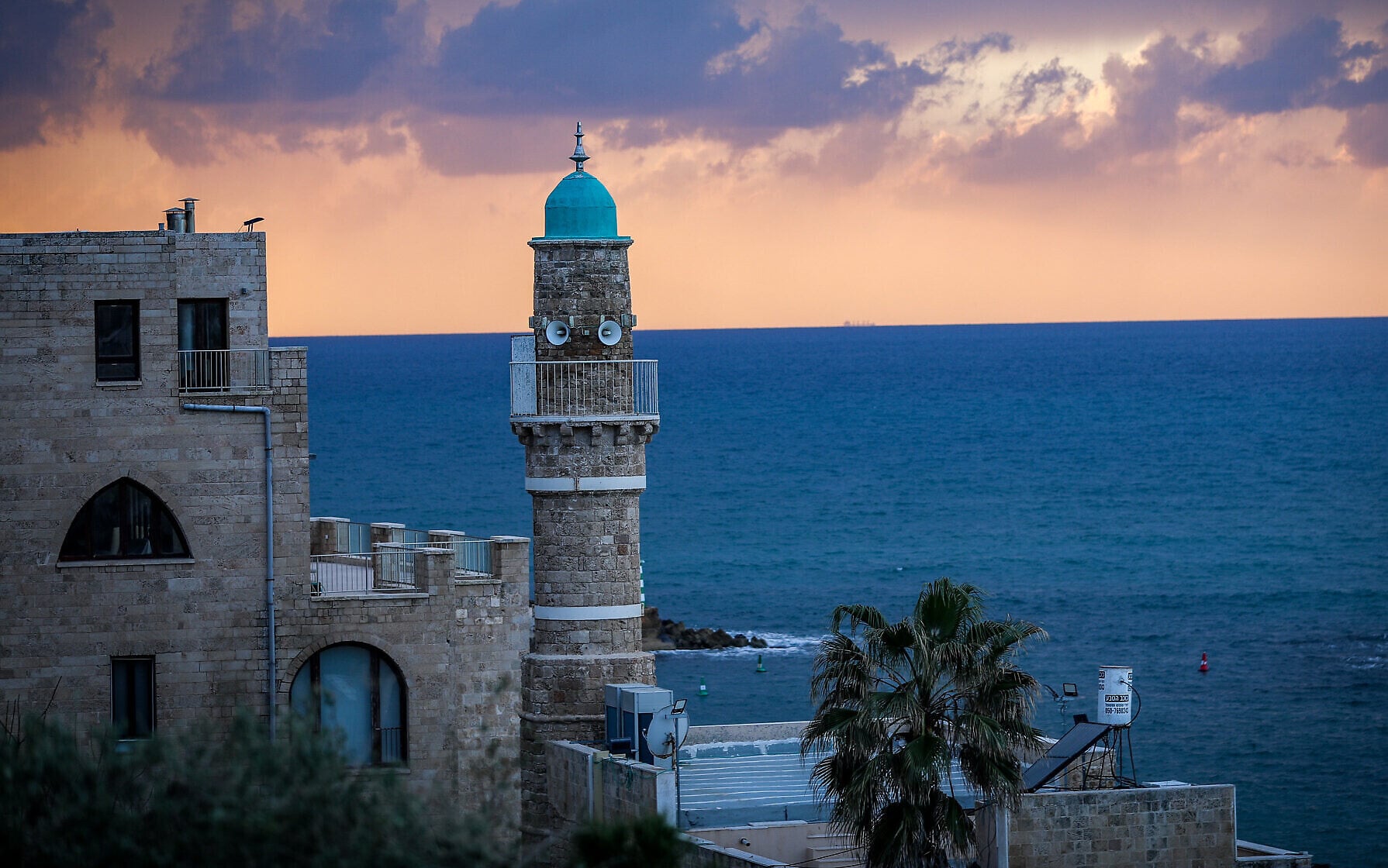
The Knesset on Wednesday voted 50-36 in a preliminary reading to advance a bill tightening restrictions on loudspeakers in mosques, in what supporters described as an effort to curb “unreasonable noise,” but which opposition lawmakers have said unfairly targets Israel’s Muslim minority.
Sponsored by far-right Otzma Yehudit MK Zvika Fogel, the bill would require mosques to obtain permits to operate loudspeaker systems, authorize police to enter premises to halt violations and impose administrative fines for breaches. Muezzins use loudspeakers in mosques to issue calls to prayer five times a day, including the predawn Fajr prayer.
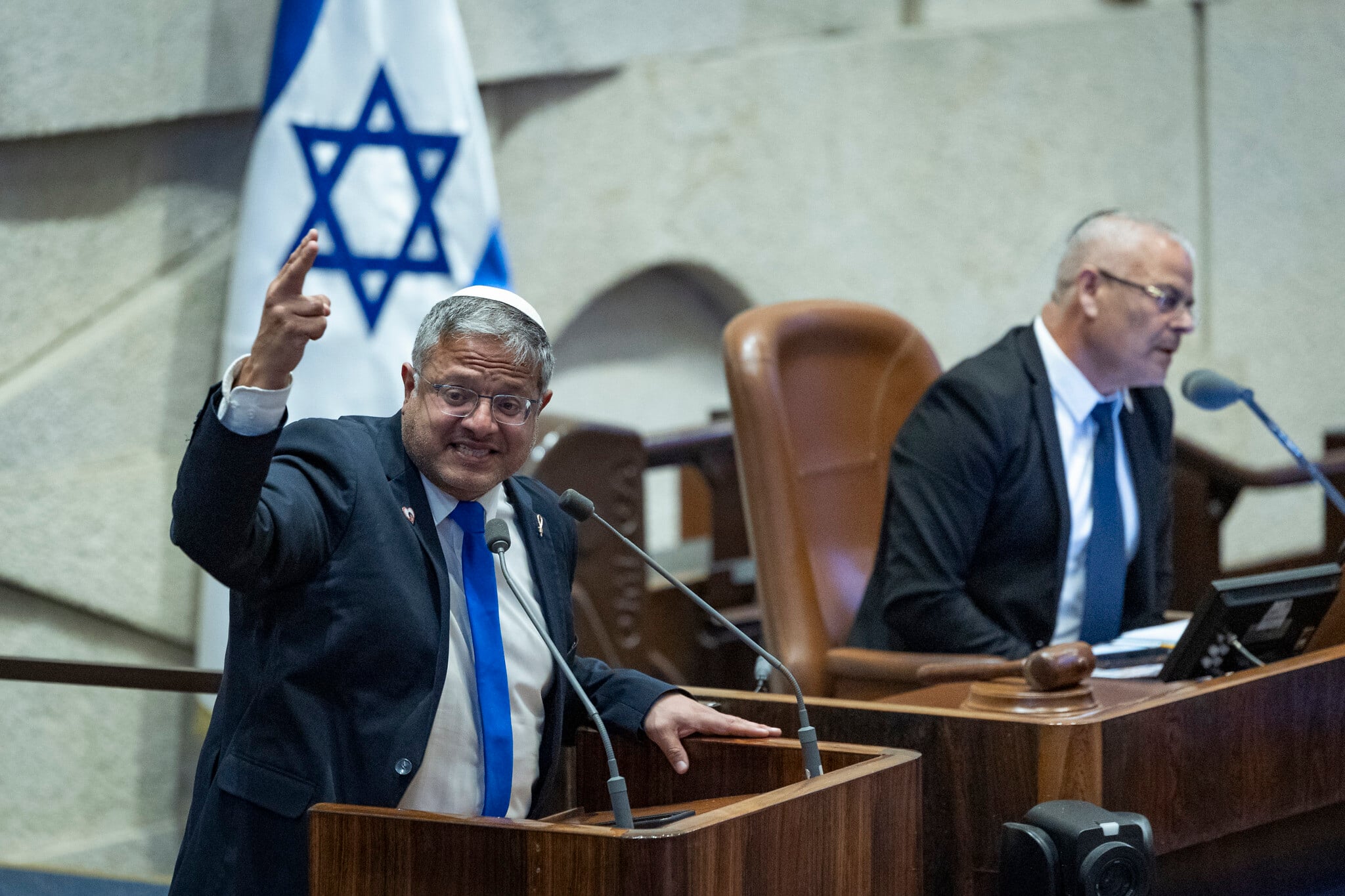
“This is not a political issue,” Fogel told the plenum.
“Just as the law is enforced against event halls, private businesses, factories and houses of worship of every kind, so too must it be enforced equally here,” he said.
National Security Minister Itamar Ben Gvir welcomed the bill — which must pass three more votes before being passed into law — declaring that “governance begins with noise,” and claiming that residents of Arab communities also suffer from the calls broadcast over loudspeakers.
Arab lawmakers countered that Ben Gvir is prioritizing what they described as the persecution of a religious minority instead of addressing surging violent crime in Arab communities, after three people were killed in separate incidents today.
“Three murders within an hour… another day under this government of blood,” said chairman of Arab-majority Hadash-Ta’al party Ayman Odeh, accusing the “Kahanist and convicted criminal” minister of abandoning public security.
“The muezzin does not disturb their ears; it disturbs their racism,” said Hadash-Ta’al MK Ofer Cassif on X, charging that Ben Gvir and his far-right allies are trying to “silence” Israel’s Muslim community.
“The law to prevent the muezzin’s calls will not pass,” he added.
The vote came after Shas announced it would back the legislation, despite earlier reports that it planned to oppose it as part of an understanding between the Haredi and Arab parties under which the Arab factions would abstain on Wednesday’s vote on the coalition’s controversial Basic Law enshrining Torah study as a national value.
Ben Gvir has long looked to limit the loudspeakers, and in late 2024, he instructed the police to confiscate speakers from mosques and fine them for noise in a bid to stop the Muslim houses of worship from broadcasting calls to prayer.
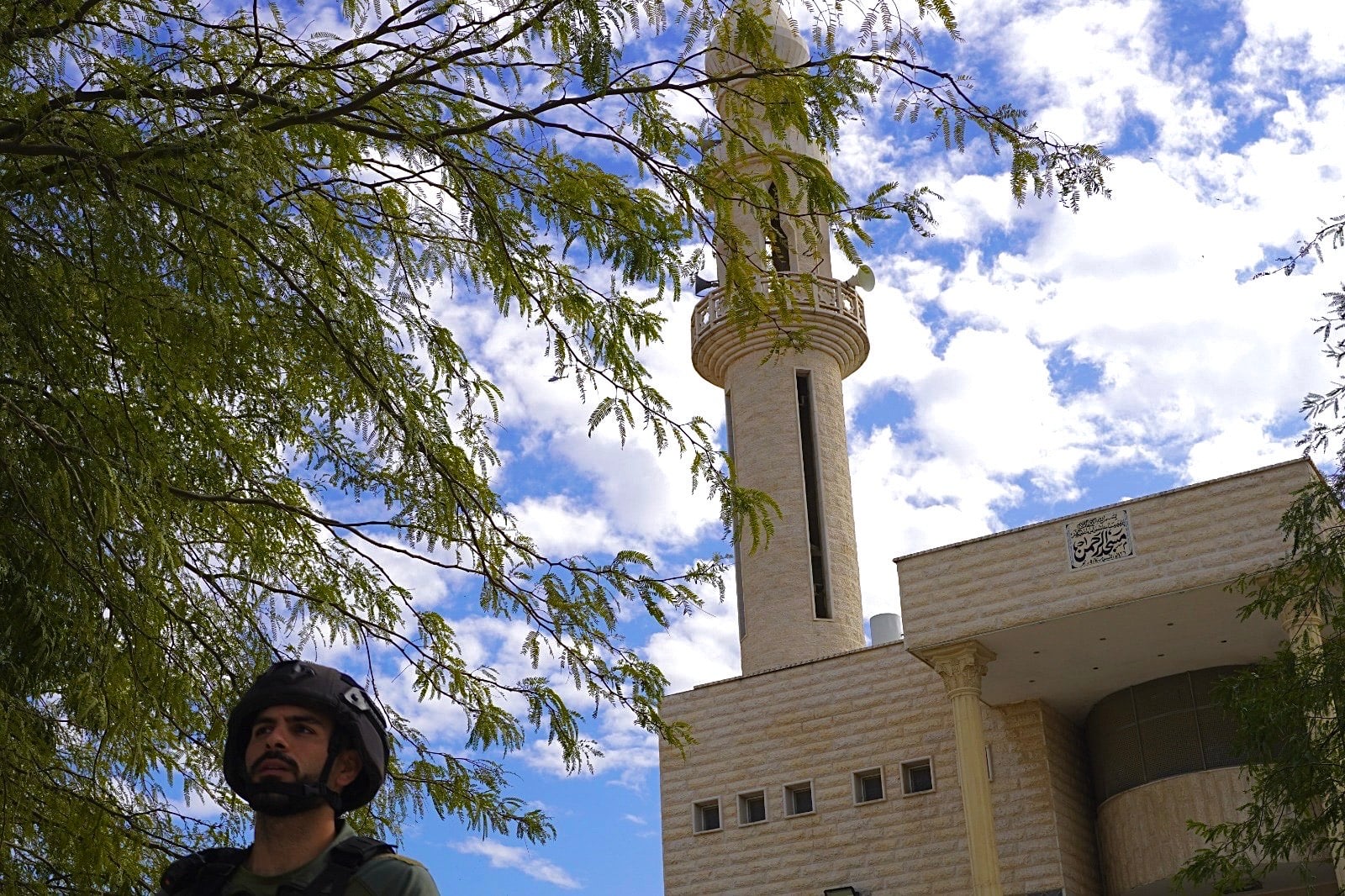
The far-right minister’s directive was not enforced after pushback from Arab and Muslim leaders as well as the ultra-Orthodox Shas and United Torah Judaism parties.
Right-wing lawmakers and activists have spearheaded efforts to muffle mosque loudspeakers over the years. Jewish residents of East Jerusalem and other areas of Israel have long complained about what they say is the excessive noise coming from mosques.
Some 20 percent of Israel’s population is Arab, most of them Muslim, making the calls to prayer a familiar sound in many parts of the country.



The Times of Israel Community.