

 From the Liveblog of
Thursday, November 19, 2020
From the Liveblog of
Thursday, November 19, 2020
Oxford scientists expect COVID-19 vaccine data by Christmas
 Add ToI as a Preferred Source on Google
University of Oxford scientists expect to report results from the late-stage trials of their COVID-19 vaccine by Christmas, a key researcher says as he discusses the team’s latest findings.
Dr. Andrew Pollard, an expert in pediatric infection and immunity at Oxford, says research was slowed by low infection rates over the summer, but the Phase III trials are now accumulating the data needed to report results as a renewed surge of the pandemic hits countries around the world. Oxford is developing its vaccine in conjunction with the drugmaker AstraZeneca.
“I think we’re getting close, and it’s definitely going to be before Christmas based on the progress,” Pollard says in an interview with the BBC.
Pollard discusses progress in the late-stage trials as Oxford releases a study based on earlier research that found the vaccine was well tolerated and produced a strong immune response in people over 70. This is important because vaccines often don’t work as well in older people, Pollard says.
“The reason that we’re so delighted is the we’re seeing the immune responses look exactly the same, even in those who are over 70 years of age,” Pollard says.
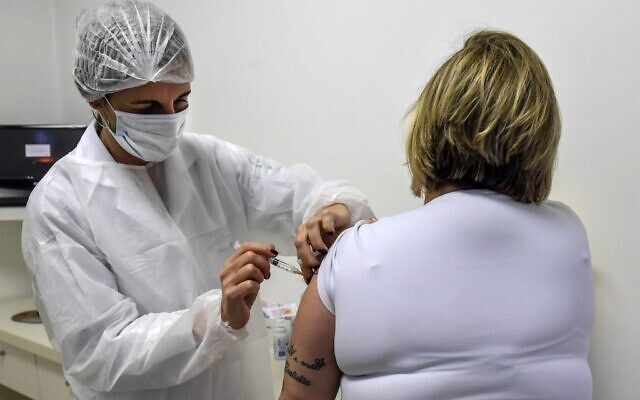
The findings were based on a so-called phase II trial of 560 people, including 240 over the age of 70. The results of the peer-reviewed study were published Thursday in the Lancet, an international medical journal.
Phase II vaccine trials provide important preliminary data but don’t prove whether they ultimately prevent people from getting sick. Oxford and AstraZeneca are waiting for the results of phase III trials on thousands of people around the world to show whether their vaccine is safe and effective.
Two other drugmakers, Pfizer and Moderna, this week reported preliminary results from late-stage trials showing that their COVID-19 vaccines were almost 95% effective.
Pollard says there is no competition between the various research teams, because several vaccines will be needed to bring the global pandemic under control and allow life to return to normal.
— AP









The Times of Israel Community.