

‘Oldest-ever eye’ revealed in 530-million-year-old fossil
Ocean-dwelling creature could make out predators and obstacles; had compound eyes similar to today’s bees, but no lenses
 Add ToI as a Preferred Source on Google
Sue Surkes is The Times of Israel's environment reporter
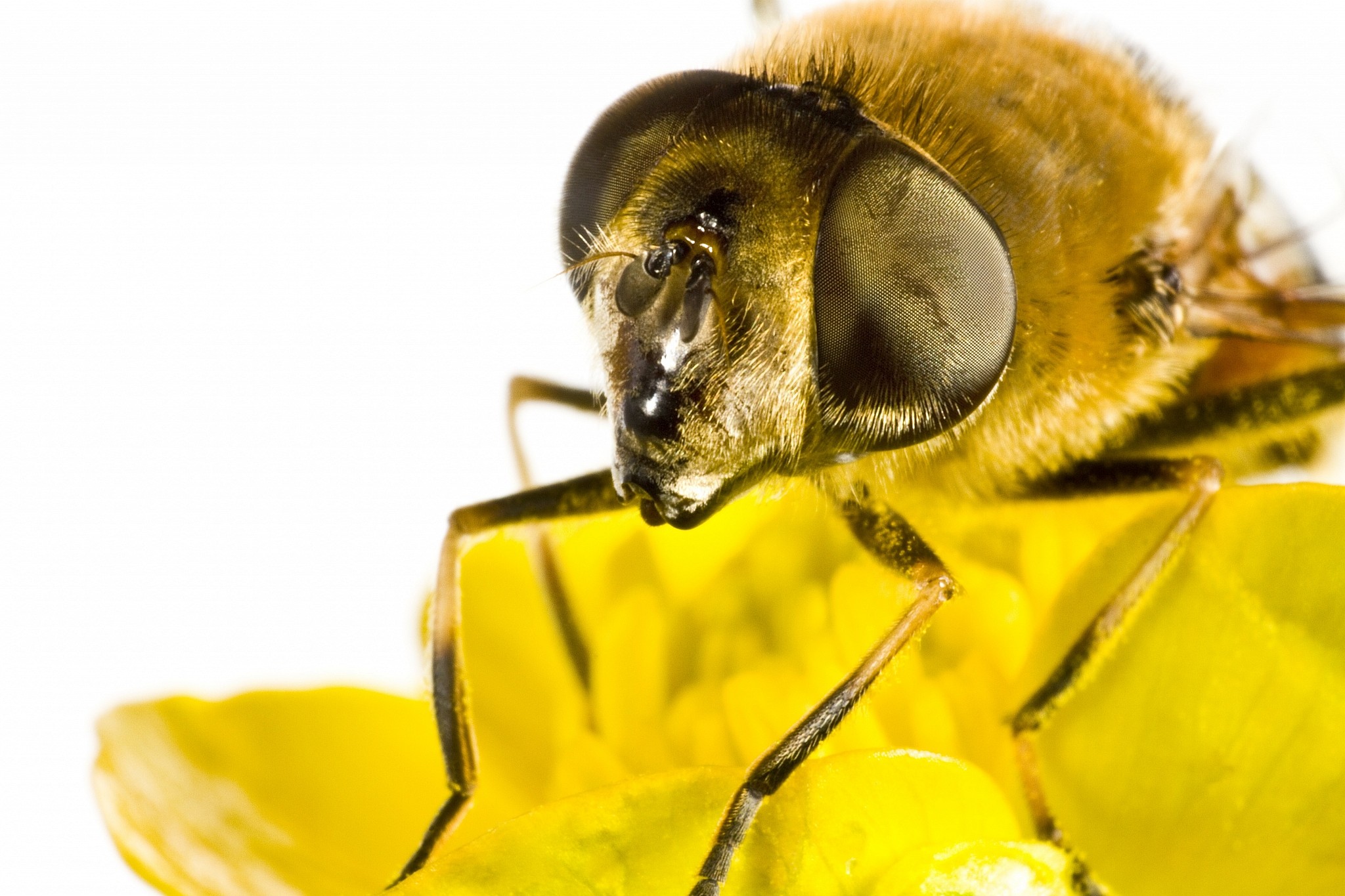
The compound eyes of bees have apparently changed little in 530 million years, if a fossilized eye, possibly the oldest ever found, is anything to go by, researchers say.
But unlike today’s insects, which have compound eyes and lenses, the sea-living trilobite fossil, unearthed in Estonia, did not have a lens, whose function is to help focus light and images on the retina.
The sea creature, Schmidtiellus reetae Bergström, evidently had poor vision compared with many of today’s creatures, but was able to pick up on predators and obstacles.
“This exceptional fossil shows us how early animals saw the world around them hundreds of millions of years ago,” said Prof Euan Clarkson, of Edinburgh University’s school of geosciences. “Remarkably, it also reveals that the structure and function of compound eyes has barely changed in half a billion years.”
STORY OF THE WEEK
The world’s oldest eye has been found in a 530 million year old fossil. The discovery in the remains of an extinct sea creature has revealed that "the structure and function of compound eyes has barely changed in half a billion years."https://t.co/7nuK7dclZ3— Clearly (@ClearlyWorld) December 8, 2017
Like those of modern-day crabs, bees and dragonflies, the eyes of the ancient creature consisted of many tiny cells called ommatidia.
But in the fossil, they were located quite far apart compared to the compound eyes of today.
Prof Brigitte Schoenemann, of Cologne University, said, “This may be the earliest example of an eye that it is possible to find. Older specimens in sediment layers below this fossil contain only traces of the original animals, which were too soft to be fossilized and have disintegrated over time.”
How the oldest compound eyes were constructed | #Geology #GeologyPage
Researchers from Cologne, Tallinn, and Edinburgh have found out that the compound eyes of today’s arthropods are still constructed in much the same way as they we ……
Read more : https://t.co/q0B9DQ67dF
— Geology Page (@GeologyPage) December 10, 2017
The study, published in Proceedings of the National Academy Sciences, was carried out by the universities of Edinburgh and Cologne and the Tallinn University of Technology.










The Times of Israel Community.