

Peace activist’s killer calls anti-Netanyahu protesters ‘germs’ to be dealt with
Ahead of Saturday rallies, Yona Avrushmi, who in 1983 lobbed grenade into left-wing rally, killing Emil Grunzweig, has no plans to attend but says others ‘know exactly what to do’
 Add ToI as a Preferred Source on Google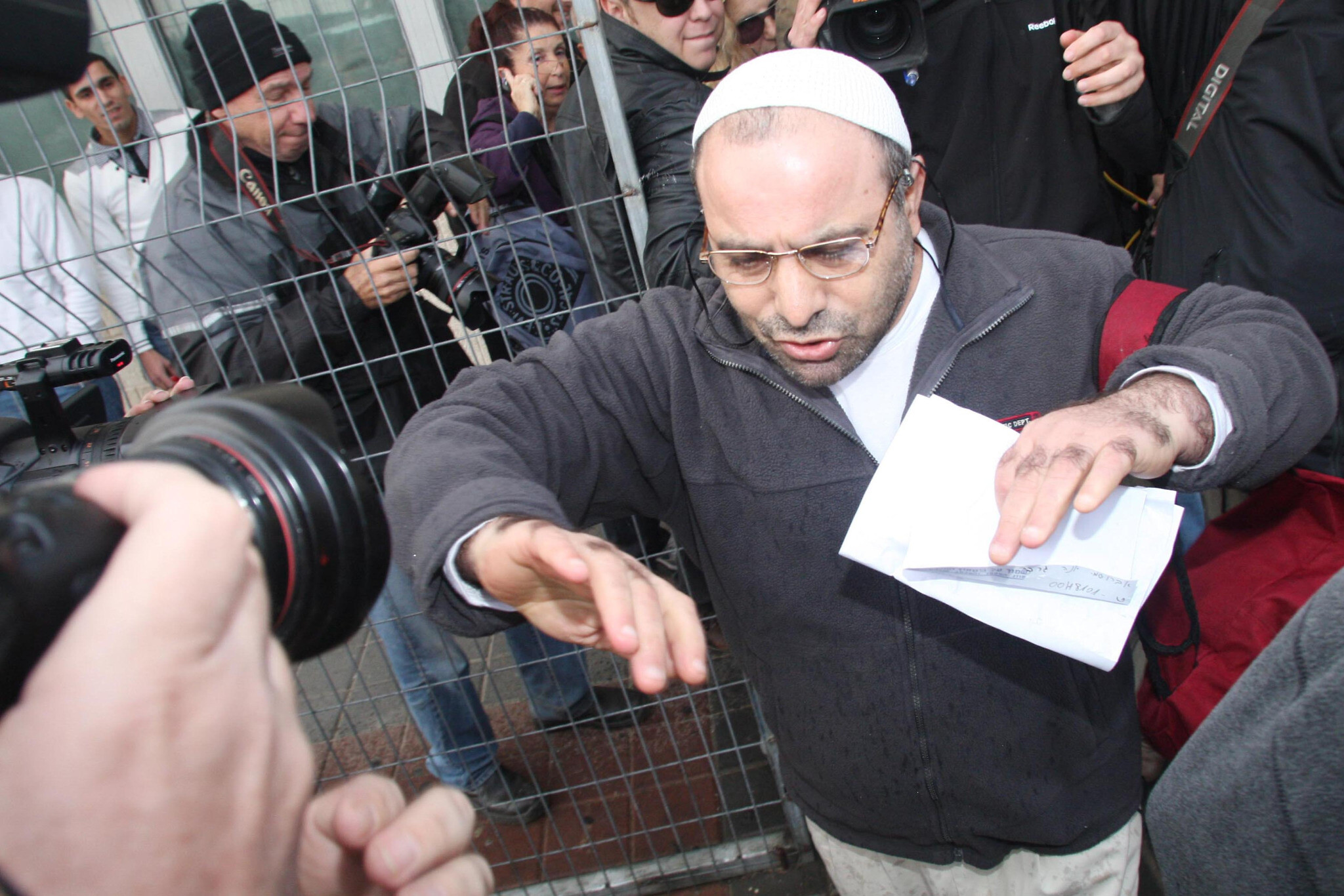
The killer of a left-wing peace activist said the protesters holding demonstrations outside the Prime Minister’s Residence on Balfour Street in Jerusalem against Benjamin Netanyahu are “germs” and suggested that they be dealt with by supporters.
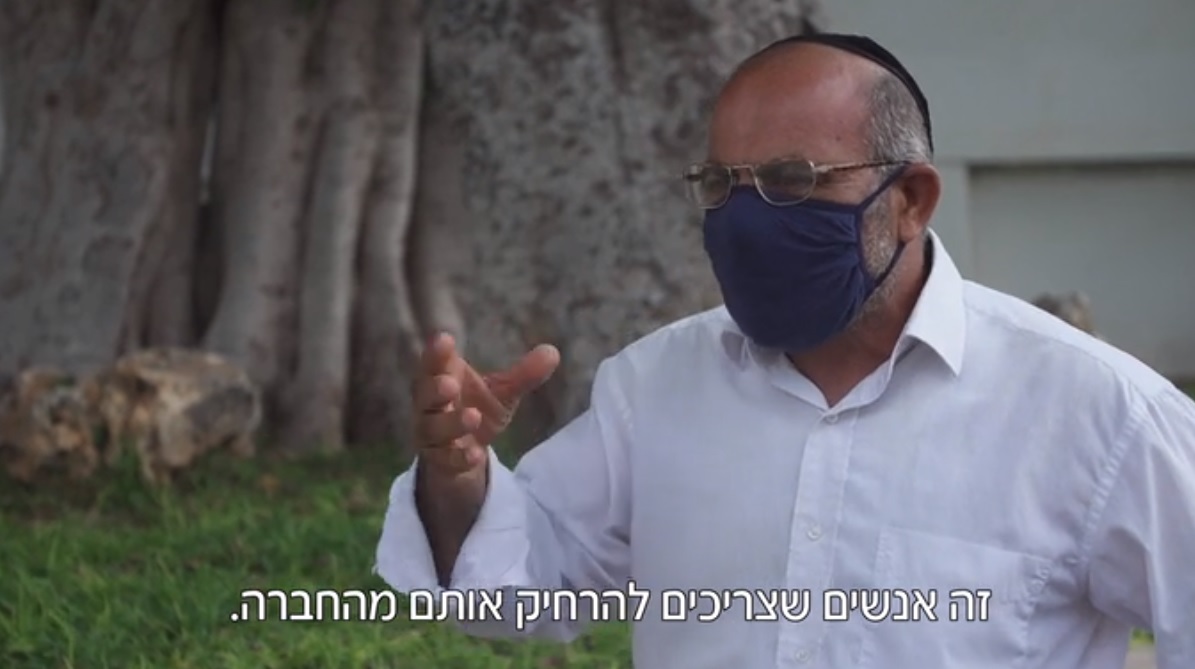
Yona Avrushmi, who in 1983 lobbed a hand grenade into a left-wing rally, killing Peace Now activist Emil Grunzweig and wounding nine others — among them former Labor Party minister Avraham Burg and Likud minister Yuval Steinitz — told a Channel 12 interviewer in a clip aired on Friday that the protesters are “germs, there’s no argument there… they spread diseases and must be kept away from society.”
Handed a life sentence in 1985, Avrushmi was released from prison in 2011 after serving 27 years. During a police interrogation after the killing, Avrushmi was quoted as telling officers that the peace activists protesting at the time were “germs that must be eliminated.”
During the interview, he spoke about the night of the 1983 rally, saying that he “didn’t buy the grenade to leave it at home. I threw it [into the crowd] and went home to sleep.”
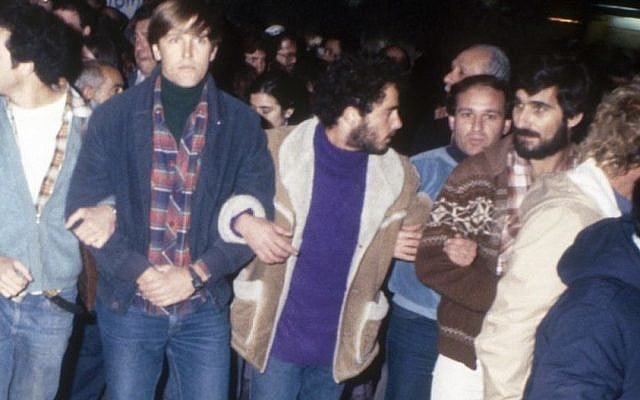
The rally was organized by Peace Now and was held in front of the Prime Minister’s Office then occupied by Menachem Begin. Protesters demanded the Begin government accept the findings of the Kahan Commission, created to investigate the Sabra and Shatila massacre by a Lebanese militia in 1982.
“When you love someone, you are prepared to die for them. I loved Begin then like they admire Netanyahu now. And I love Netanyahu more than Begin,” he said.
Calling today’s protesters “evil people” and “haters of Israel,” he said: “I hate them and they hate me.”
Avrushmi, who lives in Tel Aviv, said he has no plans to “go to Balfour,” but “some young guys are going, and they know what to do, they know exactly what to do.”
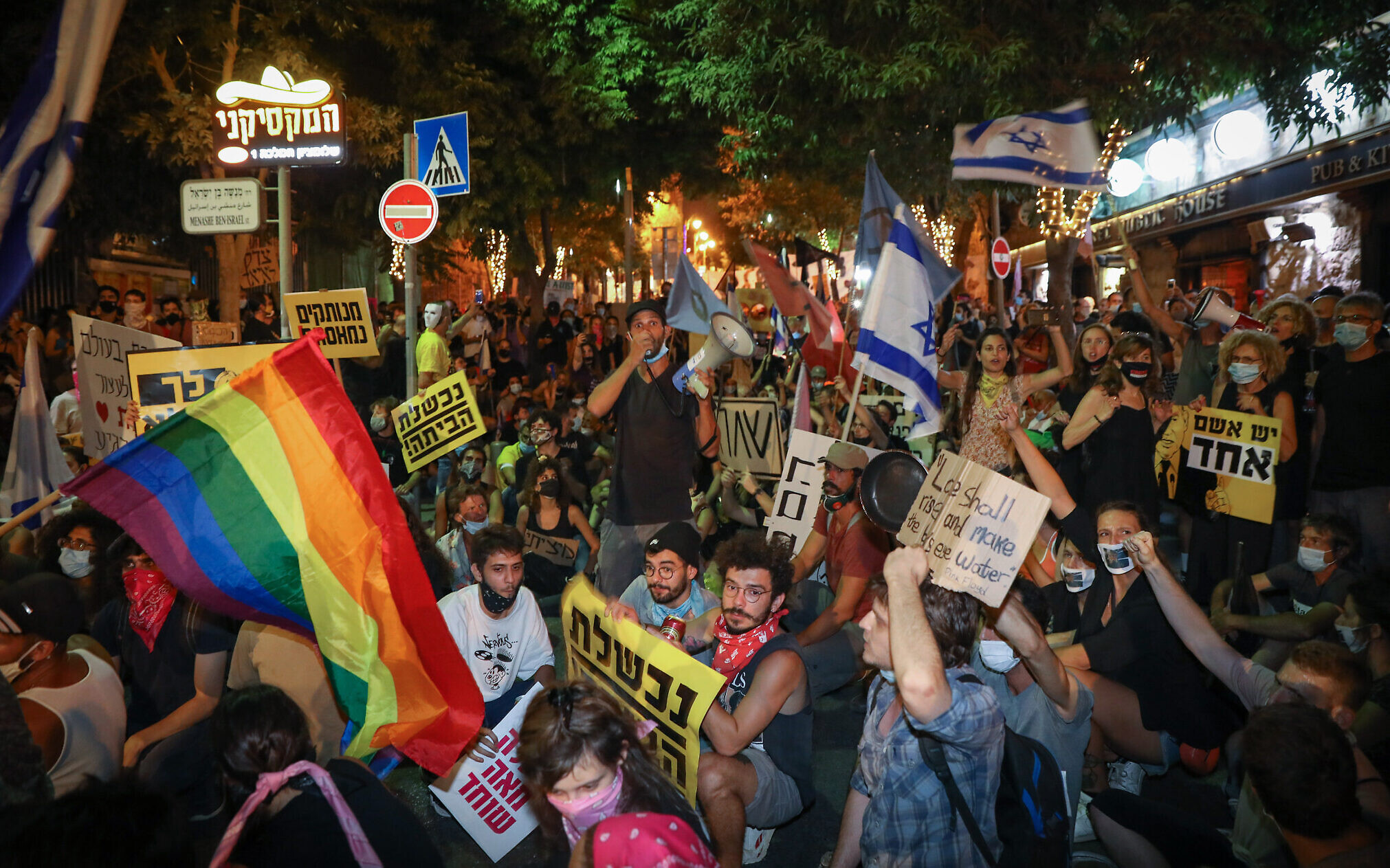
Protesters have for weeks been holding regular rallies on Balfour Street in Jerusalem, as well as in Tel Aviv and other areas, calling on the premier to resign due to his indictment on corruption charges. They have been joined by people protesting the government’s economic policies during the coronavirus pandemic, with crowds in the thousands and rising.
The demonstrations take place several times a week across from the Prime Minister’s residence, including Thursdays and Fridays, and culminating on Saturdays. The weekly Friday protests, which are called “Kabbalat Shabbat,” tend to attract more young families than the larger Saturday night protests which have frequently seen clashes between protesters and police.
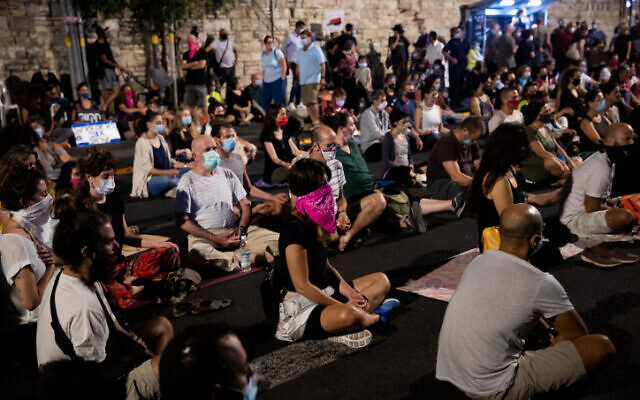
Large-scale protests are once again expected on Saturday evening. Last week, some 10,000 people attended the rally outside the Prime Minister’s Residence, the largest yet, according to police. Organizers said the actual numbers ranged between 15,000-30,000 people.
Like in past weeks, protests are also expected on highways overpasses and major junctions, as well as outside the home of Public Security Minister Amir Ohana, who has called to curb the demonstrations.
More limited protests calling on Netanyahu to resign were held outside Netanyahu’s Jerusalem residence on Thursday and Friday night.
Recent weeks have seen some incidents of violence by right-wing supporters of Netanyahu. Protesters have also accused police of using excessive force during the demonstrations.
Netanyahu and his supporters have strongly condemned the protesters, branding them “anarchists,” and the premier has also accused them of alleged incitement against him and his family.
He has also protested media coverage of the protests, which he claims blows them out of proportion.
The premier is on trial for a series of cases in which he allegedly received lavish gifts from billionaire friends and traded regulatory favors with media moguls for more favorable coverage of himself and his family. He has denied any wrongdoing, accusing the media and law enforcement of a witch hunt to oust him from office.
Anat Peled contributed to this report.







The Times of Israel Community.