

Restaurants struggle as reservations plummet amid grueling war mood, rising cost of living
Online restaurant bookings have dropped by 30% this year, while high-end chef restaurants grapple with a steeper decline of more than 50%, according to online booking site
 Add ToI as a Preferred Source on Google
Sharon Wrobel is a tech reporter for The Times of Israel
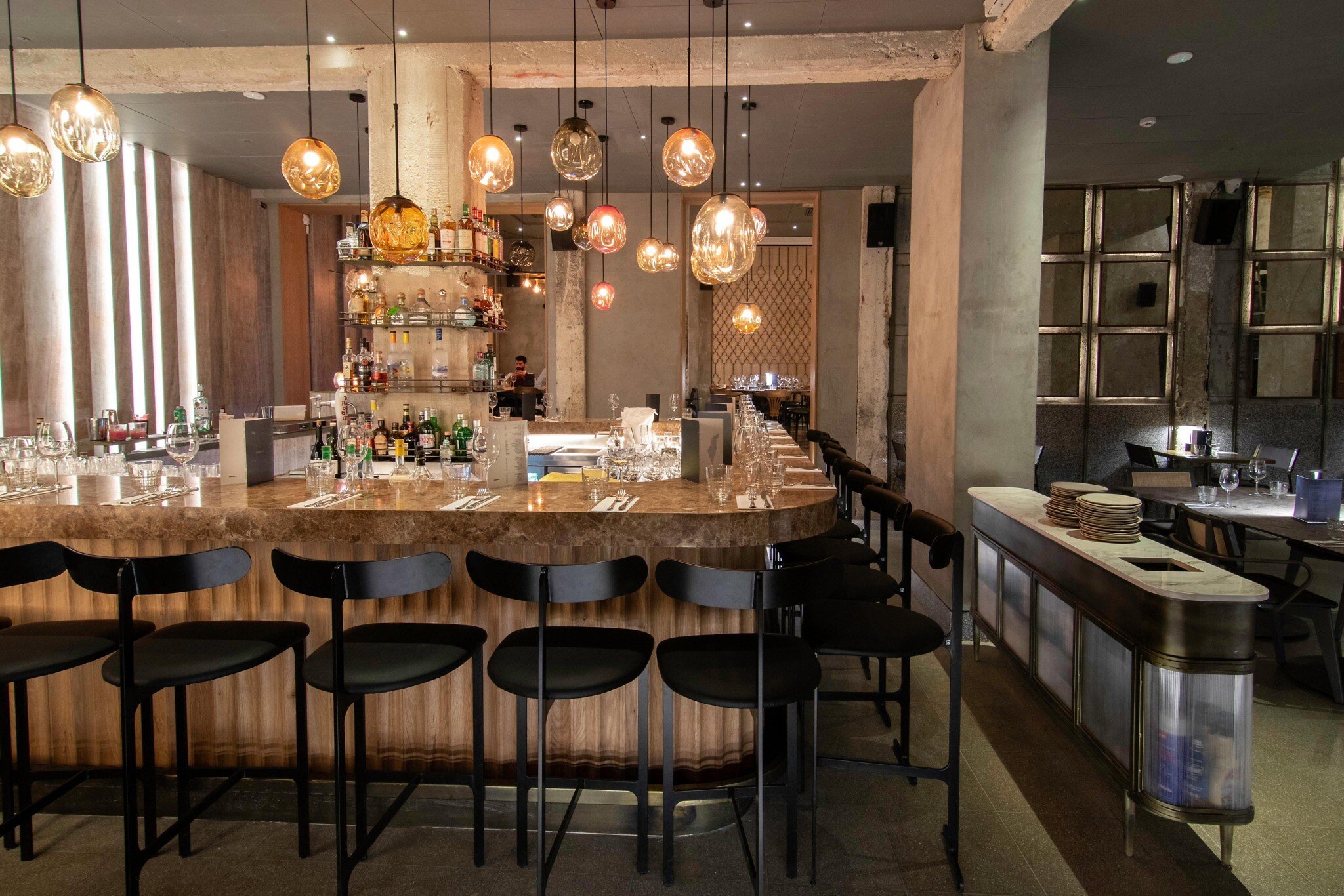
Israeli restaurant owners are being hit hard, with fewer diner visits, as the 19-month war with the Hamas terror group and renewed missile attacks by the Iran-backed Houthis take an economic toll on households and clientele, while tourists stay away.
Since the start of the year, restaurant reservations in Israel have dropped by 29 percent on average, with fine dining and chef restaurants experiencing more severe declines of up to 53%, according to data provided by Ontopo, one of the nationwide online booking system for making restaurant reservations.
A geographic breakdown showed that restaurant reservations this year were down 31% in Tel Aviv. Outside of the hustle and bustle of Tel Aviv’s dining scene, the rate of restaurant reservations fell by 26% on average, according to the data.
“The restaurant industry is like a national barometer for the mood of the public,” Ontopo Israel general manager Daniel Mustacchi told The Times of Israel. “When public sentiment turns, amid Houthi missile attacks, a recall of reserve soldiers, and with no horizon for an end to the war and a return of remaining hostages in Gaza, restaurant activity drops almost instantly as people are also more cautious about their spending.”
“Generally, people book restaurant visits for a happy occasion, or a celebration,” said Mustacchi.
Restaurant owners have been contending with the fallout of the months-long war with the Hamas terror group since October 2023, while operating costs are only getting bigger, and running expenditures from salaries to rents weigh heavily on keeping hospitality businesses afloat.
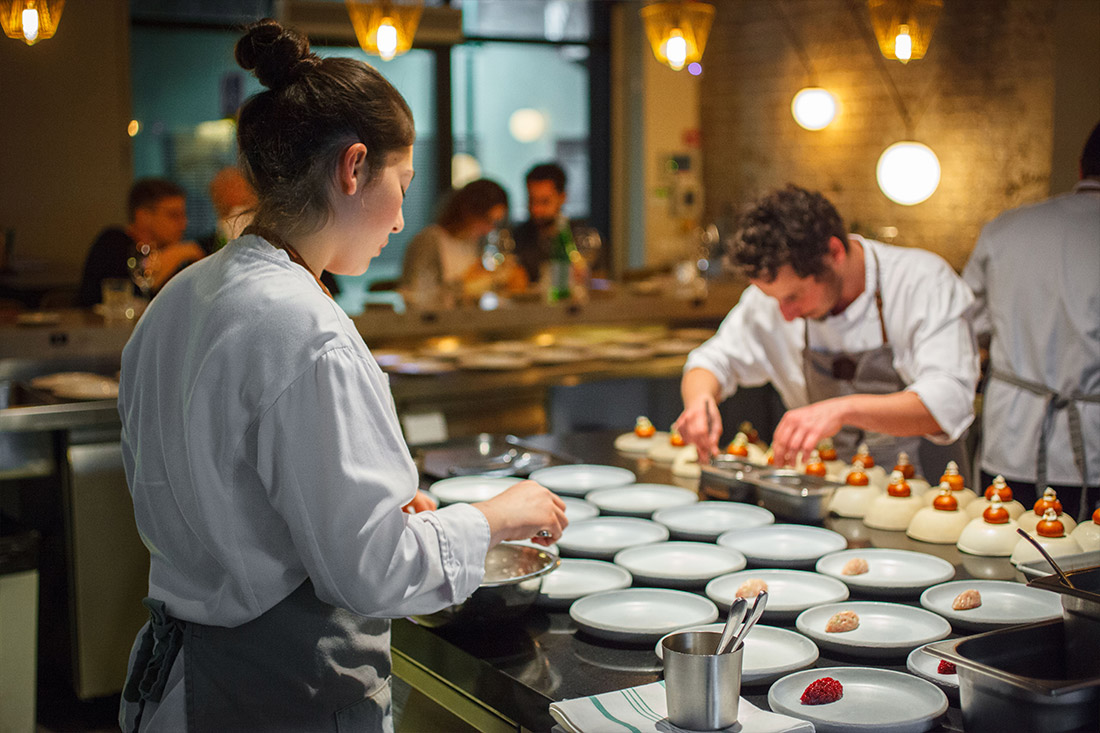
“The national mood is not one of entertainment due to the difficult reality and the hostages being held captive,” Tomer Mor, head of the Strong Restaurateurs Together forum told Channel 12. “Add to this a year of economic crisis, in which disposable income is decreasing, and this is affecting the consumption and entertainment habits of our clientele.”
Israel is already ranked at the top in a list of developed countries with the highest cost of living. More than one-third of Israeli households spend thousands of shekels more than their monthly incomes allow and struggle to make ends meet, while interest rates remain high.
Adding to this, Israeli consumers have been feeling the pain of new tax hikes, higher food, water and electricity bills, squeezing their disposable income and influencing spending habits. On January 1, the government introduced a list of tax hikes to bolster state income and fill a fiscal gap amid ballooning defense and other expenses during the months-long war with Hamas.
“Without immediate support from the government and local authorities, we risk seeing a wave of restaurants having to close their doors in the coming months as they struggle to survive,” Mustacchi warned. “Municipalities could be more lenient with municipal taxes and other taxes to ease the plight of restaurant owners.”
In November, Ontopo said that 50 restaurants in the center of the country were forced to close their doors in the preceding two months as the economy suffered a severe blow during the ongoing war.
During this challenging period, some chef restaurant owners and street food eateries have started lowering prices on food menus to bring back customers to fill dining tables.
One example is Israeli celebrity chef Moshe Segev, who told Channel 12, that he has cut prices by about 30% as he prefers to continue to operate with a lower profitability to attract more sales. Segev owns and runs seven restaurants around Tel Aviv and the center of the country.






The Times of Israel Community.