

Schools urge reevaluation of curricula on slain minister in rape scandal
TV report alleges Rehavam Ze’evi, assassinated by Palestinian gunmen in 2001, raped female soldiers and had links to underworld
 Add ToI as a Preferred Source on Google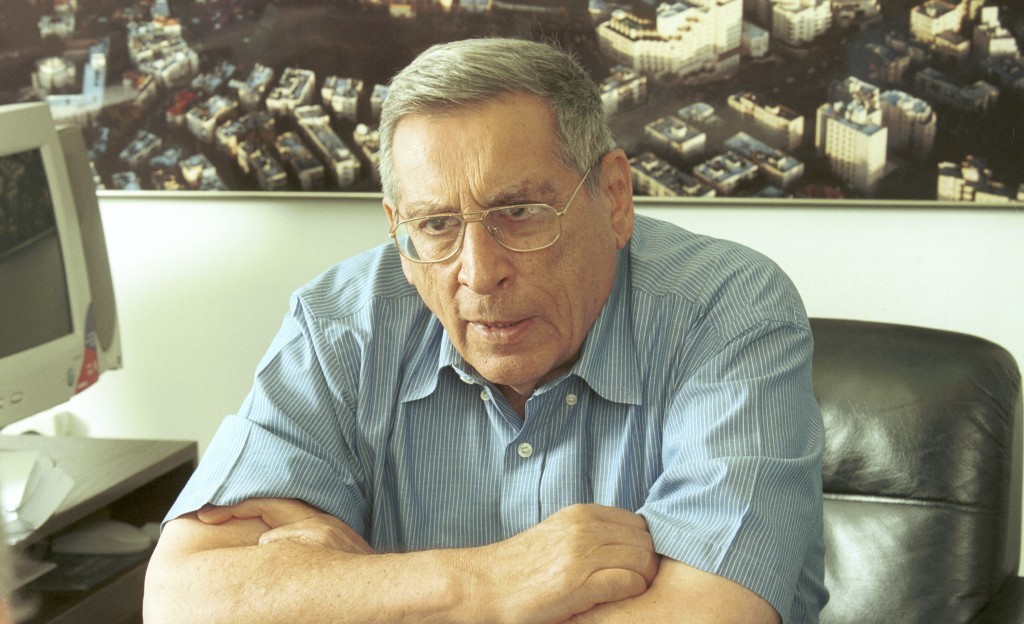
The association of school principals in Israel has reportedly asked the Education Ministry to reevaluate the curricula commemorating slain cabinet minister Rehavam Ze’evi, after a TV report last week published a raft of allegations against him, including rape.
The association turned to the ministry regarding the annual commemorations for Ze’evi, which under Israeli law include national ceremonies and lessons dedicated to the minister, who was assassinated by Palestinians in October 2001, Channel 10 reported. The principals were raising the issue due to the “troubling sides of his personality” that were revealed in Thursday’s expose, the report said.
The allegations appeared in Channel 2’s investigative journalism program “Uvda” (Fact). It included anonymous testimony by a female soldier who said she was raped by Ze’evi, and several accusations of attempted sexual assault.
According to “Uvda,” Ze’evi also conspired with a crime boss, Tuvia Oshri, to set off an explosive device in 1974 outside the home of Sylvie Keshet, a journalist who wrote critically about Ze’evi. No one was convicted of the crime.
Several Israeli politicians called for the cancellation of state-organized commemorations for Ze’evi.
His daughter Arava on Friday slammed Uvda for airing the documentary.
“I lost my father 15 years ago in a murder by a Palestinian terrorist. There is nothing worse than that,” she told Channel 2. “[The report] slanders a man who can’t give his side [of the story], and there is nothing lower [than that].”
Arava Ze’evi also denounced the program for relying on Oshri’s testimony, given his extensive criminal record.
“My mother is 88 years old, she doesn’t deserve to go through this garbage we see today, the shaming we see today,” she added. “She doesn’t deserve to hear all the Knesset members talking without knowing a single fact.”
Following the airing of the documentary, the chairwoman of the left-wing Meretz party, Zehava Galon, said her party would work to cancel the annual memorial day that the Knesset inaugurated in Ze’evi’s memory in 2005.
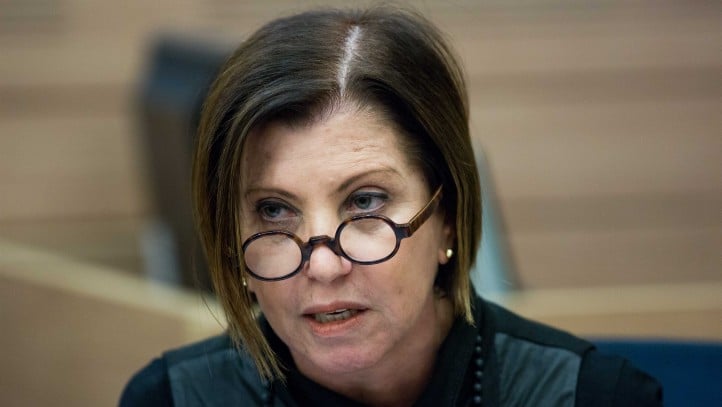
Shelly Yachimovich, a Zionist Union lawmaker and former head of the Labor Party, expressed support for the initiative on social media. Ze’evi, she wrote, “is dead but his victims live on, scarred, as their daughters and granddaughter study his horrific legacy.”
Eitan Haber, a close associate of the late prime minister Yitzhak Rabin, said Ze’evi once pointed a handgun at his head during an argument. Ze’evi, known by the nickname Gandhi, fought during Israel’s War of Independence in 1948, and was a senior member of the general staff of the Israel Defense Forces during the 1967 Six Day War. Rabin, who was chief of staff, promoted him to brigadier general after the war.
Hailing from a socialist Zionist home, Ze’evi gradually became more hawkish. During the 1990s, he was an advocate of transferring all Palestinians outside Israel and the territories.
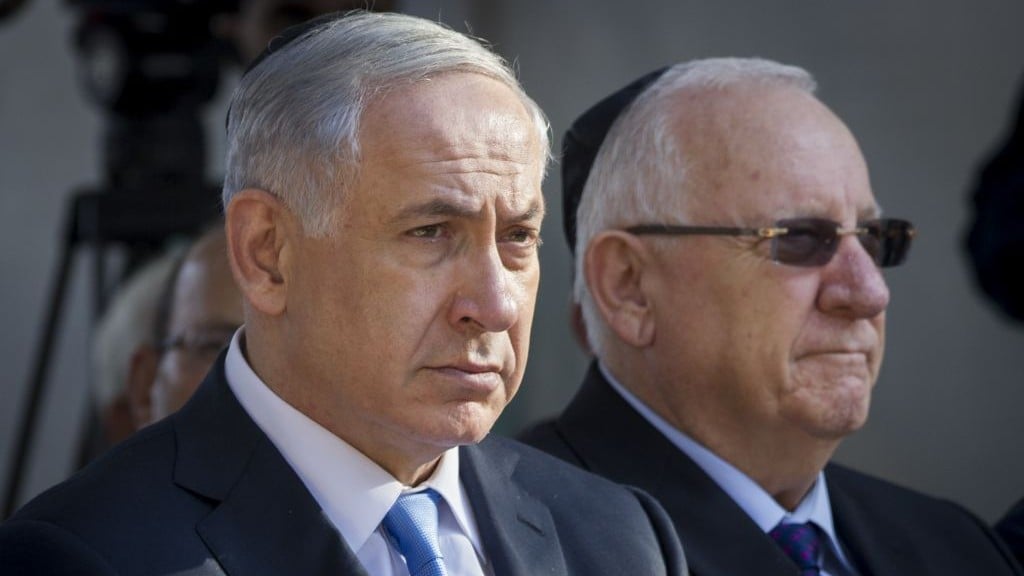
Agriculture Minister Uri Ariel of the Jewish Home party said he would oppose attempts to stop the commemorations and criticized the airing of documentary, citing Ze’evi’s inability to respond to the claims. Ze’evi was the founder of the Moledet party, which later became part of the National Union, which itself is today amalgamated into Jewish Home.
Ariel first entered the Knesset as the replacement for Ze’evi when Ze’evi was assassinated in 2001.
“General Rehavam Ze’vi devoted his life to safeguarding Israel’s security. It is inappropriate to destroy his reputation when he is unable to comment,” Ariel wrote.
Ayman Odeh, leader of the Joint (Arab) List party, linked the sexual offenses attributed to Ze’evi to his political views.
“It is unsurprising to discover that a person who supported the transfer of a civilian population also assaulted women and persecuted journalists,” he wrote on Twitter. “Those who saw no shame in commemorating him earlier should not find it anymore shameful to do so now.”
The Ze’evi family unsuccessfully tried to obtain a court order to prevent the show from airing.








The Times of Israel Community.